

jackhuang5919@gmail.com
Why Your Hydraulic Pump is Failing: 10 Red Flags You Can't Ignore (2026 Guide)
2026-01-23
A comprehensive 2026 guide identifying 10 critical signs of hydraulic pump failure, differentiating cavitation from aeration, and offering actionable solutions to minimize costly excavator downtime.
- Introduction
- What are the most common signs of a failing hydraulic pump?
- The Importance of Early Diagnostics
- Auditory Red Flags: Listening to Your System
- Flag #1: High-Pitched Whining (Aeration)
- Flag #2: The "Marbles" Sound (Cavitation)
- Flag #3: Mechanical Knocks or Banging
- Thermal and Visual Red Flags
- Flag #4: Excessive Heat Generation
- Flag #5: External Seal Leakage
- Flag #6: Discolored or "Milky" Fluid
- Performance-Based Red Flags
- Flag #7: Slow Cycle Times
- Flag #8: Failure to Build Pressure
- Flag #9: Jerky or Erratic Cylinder Movement
- Flag #10: Frequent Filter Clogging
- Expert Analysis: The Root Causes
- Contamination: The #1 Killer
- Fluid Viscosity Issues
- Over-Pressurization
- The Cost of Ignoring Red Flags
- The Weihuparts Advantage
- Conclusion
- FAQs
- What does a hydraulic pump do in an excavator?
- What are the common types of excavator hydraulic pumps?
- What are the signs of a failing hydraulic pump?
- How long does an excavator hydraulic pump last?
- Can an aftermarket or remanufactured hydraulic pump replace an OEM pump?
Introduction
A failing hydraulic pump can instantly turn a profitable project into a logistical nightmare, costing thousands in unscheduled downtime. Whether you are operating a PTO driven hydraulic pump on a tractor or a high-precision electric hydraulic pump in an industrial setting, early detection is the only way to save your system. This guide breaks down the 10 critical symptoms of failure and how to fix them.
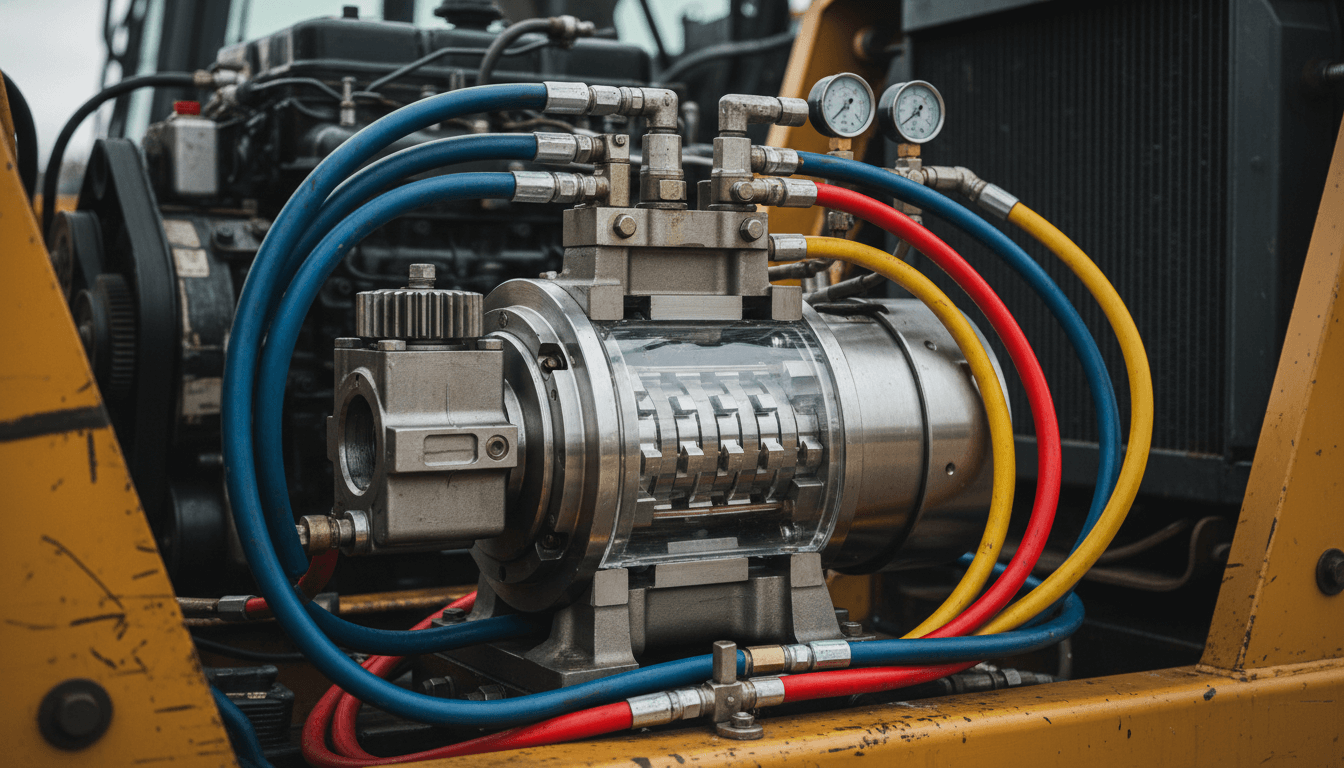
What are the most common signs of a failing hydraulic pump?
The most common signs of a failing pump include abnormal auditory cues (whining or banging), excessive heat generation above 180°F, visible fluid leaks, and sluggish cycle times. Identifying these symptoms early allows operators to perform hydraulic pump repair before catastrophic damage destroys the entire system.
The Importance of Early Diagnostics
Ignoring these signs doesn't just damage the pump; it contaminates your entire hydraulic circuit. When a pump disintegrates, it sends metal shards downstream, ruining valves, cylinders, and expensive hydraulic components. For operators sourcing parts of excavator machinery, understanding these red flags is essential for maintaining ROI.
If you are unsure about the basics of your system's core component, check our guide: What Is a Hydraulic Pump?.
Auditory Red Flags: Listening to Your System
Sound is often the first indicator of trouble. A healthy pump produces a consistent hum; any deviation suggests internal distress.
Flag #1: High-Pitched Whining (Aeration)
Aeration occurs when air enters the hydraulic fluid stream, creating a distinct, high-pitched screeching or whining noise. This typically happens due to air leaks in the suction line or low fluid levels in the reservoir. The air bubbles compress and explode under pressure, eroding metal surfaces.
Flag #2: The "Marbles" Sound (Cavitation)
Cavitation is frequently confused with aeration but has a different cause: restricted inlet flow. When the pump is starved of oil, vacuum bubbles form and implode with violent force, sounding like marbles or gravel rattling inside the housing. According to Machinery Lubrication, cavitation causes physical pitting on metal surfaces, leading to rapid structural failure.
Flag #3: Mechanical Knocks or Banging
Rhythmic banging or knocking usually indicates severe mechanical failure. This can be caused by:
- Worn Bearings: Allowing the shaft to wobble.
- Broken Gear Teeth: Causing a skip in the pumping cycle.
- Loose Couplings: Creating vibration between the motor and pump.
Thermal and Visual Red Flags
Visual inspections and temperature checks are vital for spotting hydraulic pump electric issues and mechanical wear before they stop production.
Flag #4: Excessive Heat Generation
Heat is a byproduct of inefficiency. If your pump is too hot to touch (safely), it is likely bypassing fluid internally due to wear. Most hydraulic systems should operate between 100°F and 140°F. Temperatures exceeding 180°F (82°C) degrade the oil's viscosity and harden seals, leading to leaks.
Flag #5: External Seal Leakage
Visible oil around the shaft seal or mounting flange is a clear red flag. While seals are wear items, premature failure often indicates:
- Excessive Case Pressure: The drain line may be clogged.
- Misalignment: Putting uneven stress on the shaft.
- Incompatible Fluid: Chemically attacking the seal material.
Flag #6: Discolored or "Milky" Fluid
Fluid analysis is the blood test of your machine.
- Milky Fluid: Indicates water contamination, which destroys lubrication properties.
- Dark/Burnt Fluid: Indicates overheating or oxidation.
- Glittery Fluid: Contains metal particles from internal component disintegration.
Performance-Based Red Flags
Operational changes are often subtle at first but escalate quickly. Whether you use a heavy-duty electric hydraulic pressure pump or a mobile excavator unit, watch for these performance drops.
Flag #7: Slow Cycle Times
If your excavator parts (like the boom or bucket) are moving slower than usual, the pump's flow rate (GPM) has likely decreased. This "sluggishness" is a classic sign of internal wear where oil slips past the gears or pistons rather than being pushed out to the work port.
Flag #8: Failure to Build Pressure
A pump that spins but cannot build pressure is effectively useless. This often points to:
- Severe Internal Leakage: The pump cannot hold the load.
- Relief Valve Failure: The fluid is being dumped back to the tank prematurely.
- Sheared Shaft: The internal mechanism isn't rotating even if the motor is.
Flag #9: Jerky or Erratic Cylinder Movement
Also known as the "stick-slip" phenomenon, jerky movement suggests inconsistent flow or trapped air. This can be dangerous, as it makes fine control of hydraulic components impossible, risking safety on the job site.
Flag #10: Frequent Filter Clogging
If you are changing filters more often than the manufacturer recommends, cut one open. Finding large metal flakes or debris means your pump is physically breaking apart. This is the final warning before a total system seizure.
Expert Analysis: The Root Causes
Understanding why these flags appear is key to prevention.
Contamination: The #1 Killer
Industry studies consistently show that 70% to 80% of all hydraulic system failures are caused by fluid contamination. Particulate matter acts like sandpaper, scouring the precision surfaces of the pump. To verify the cleanliness of your fluid, reference the ISO 4406 standard for particle counts.
Fluid Viscosity Issues
Using the wrong oil weight for your operating temperature can be disastrous. If the oil is too thin (low viscosity), it won't lubricate; if it is too thick (high viscosity), it causes cavitation.
Over-Pressurization
Tampering with the relief valve to get "more power" out of an electric hydraulic pump is a common mistake. Exceeding the design pressure spikes stress on bearings and shafts, drastically shortening the pump's lifespan.
For a deeper dive into modern pump technologies that mitigate these risks, read about Types & Trends of Hydraulic Pumps.
The Cost of Ignoring Red Flags
The economic impact of ignoring these red flags extends far beyond the cost of a replacement pump.
- Downtime Costs: An excavator sitting idle can cost hundreds of dollars per hour in lost revenue.
- System Cleanup: If a pump fails catastrophically, the entire system must be flushed, and all filters and oil replaced.
- Safety Risks: unexpected failure of parts of excavator arms or lifts can injure personnel.
The Weihuparts Advantage
At Guangzhou Weihu Engineering Machinery Parts Co., Ltd, we understand that reliability is non-negotiable. Our brand, Weihuparts, serves global clients by providing high-performance excavator parts developed through rigorous R&D. By choosing premium components that meet OEM standards, you reduce the risk of premature failure and ensure your machinery withstands the harshest operational environments.
Conclusion
Detecting hydraulic pump failure starts with vigilance. By monitoring for the 10 red flags—from the distinct noise of cavitation to the visual warning of leaks—you can intervene early. Proactive maintenance is always cheaper than reactive repair. Whether you need a robust hydraulic pump electric unit or specialized hydraulic components, prioritizing quality parts and clean fluid will secure your fleet's future.
Contact Weihuparts today to discuss your specific needs and find the durable solutions your machinery deserves.
FAQs
What does a hydraulic pump do in an excavator?
The hydraulic pump is a core excavator part responsible for converting mechanical power from the engine into hydraulic energy. It supplies pressurized hydraulic oil to key systems such as the boom, arm, bucket, swing motor, and travel motors, enabling precise and powerful machine operation.
What are the common types of excavator hydraulic pumps?
The most common hydraulic pumps used in excavators are axial piston pumps, including variable-displacement and fixed-displacement designs. Variable-displacement piston pumps are widely used in modern excavators because they improve fuel efficiency, allow load sensing, and provide smoother control under varying operating conditions.
What are the signs of a failing hydraulic pump?
Typical warning signs of hydraulic pump failure include reduced operating speed, loss of digging power, abnormal noise or vibration, overheating hydraulic oil, and unstable or jerky movements. Early detection is critical, as pump failure can lead to contamination and damage to other hydraulic components.
How long does an excavator hydraulic pump last?
Under normal operating conditions and with proper maintenance, an excavator hydraulic pump can last 5,000 to 10,000 operating hours. Service life depends heavily on oil cleanliness, operating pressure, duty cycle, and adherence to recommended maintenance intervals.
Can an aftermarket or remanufactured hydraulic pump replace an OEM pump?
Yes, a high-quality aftermarket or remanufactured hydraulic pump can replace an OEM unit, provided it is manufactured or rebuilt to OEM specifications, including correct displacement, pressure rating, and control configuration. When sourced from a qualified supplier, these pumps can offer comparable performance and reliability at a lower total cost of ownership.
Recommended for you
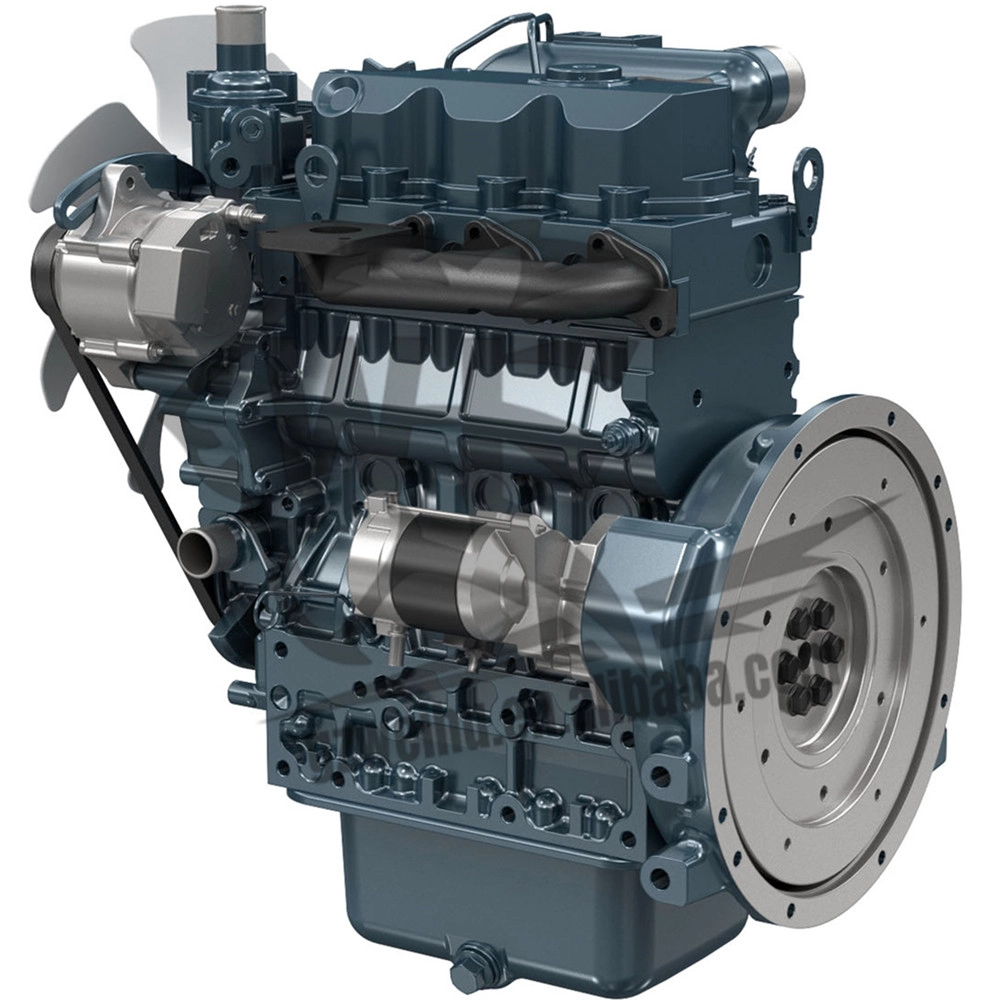
Isuzu D1703 Diesel Engine | High-Performance Engine Assembly for Heavy Machinery
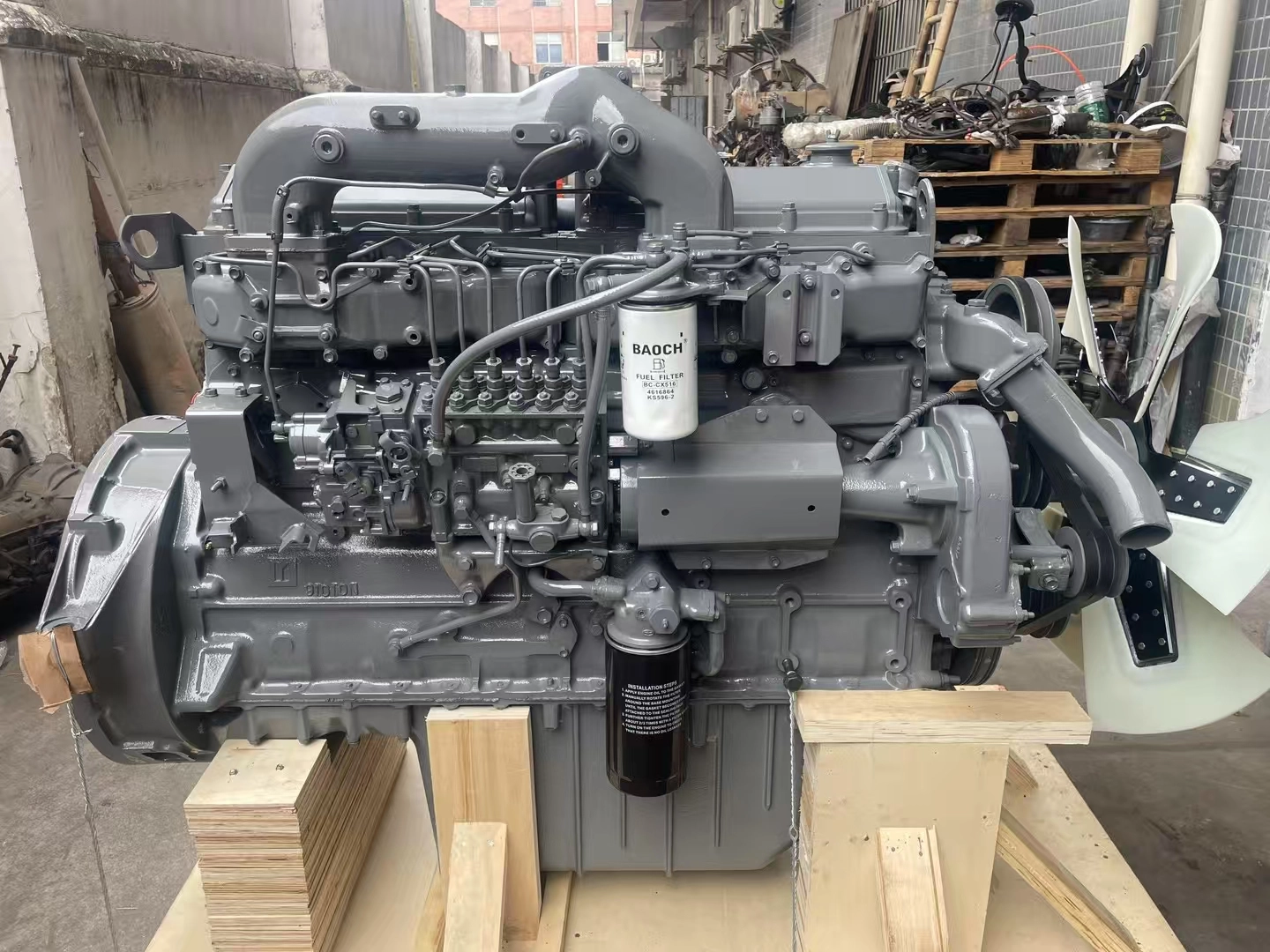
EX450-5 6RB1 Engine Assembly for Hitachi Excavator | Complete Replacement Engine
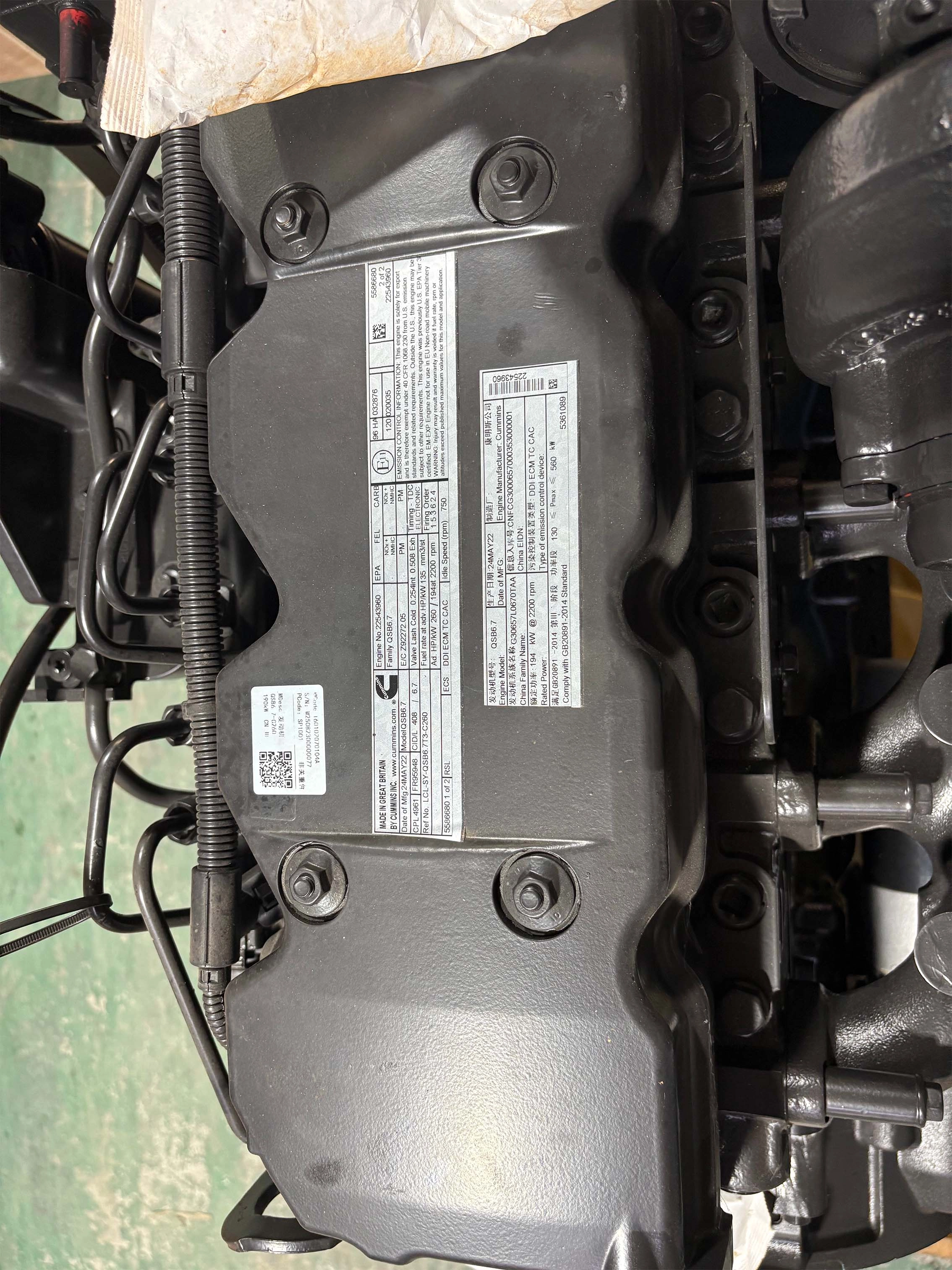
Cummins QSB6.7 Diesel Engine – High Power, Durable, Original Industrial Engine
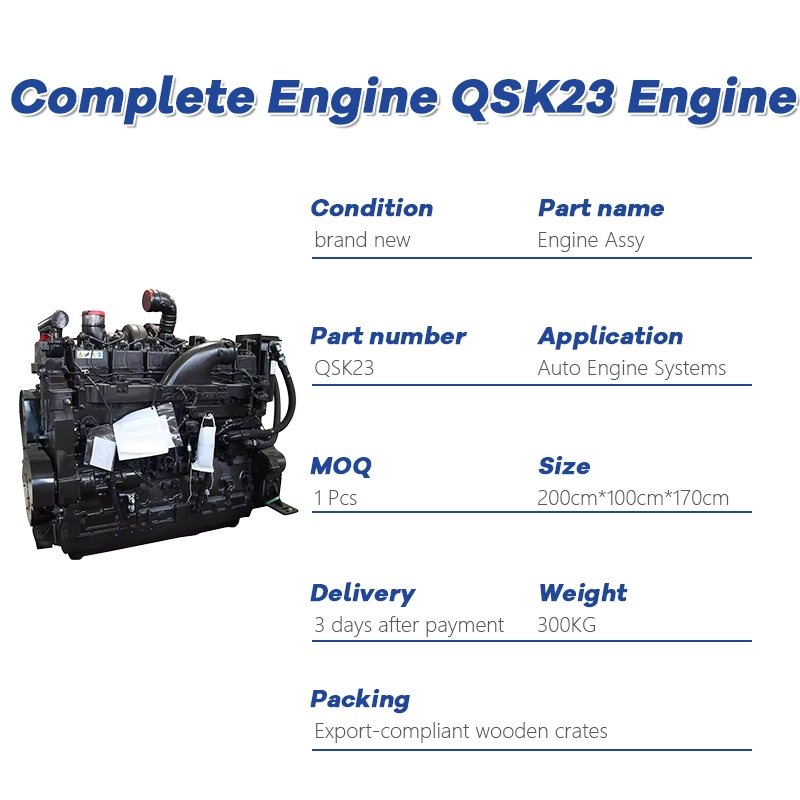
QSK23 Engine Assembly – Reliable Power Solution from Direct Supplier
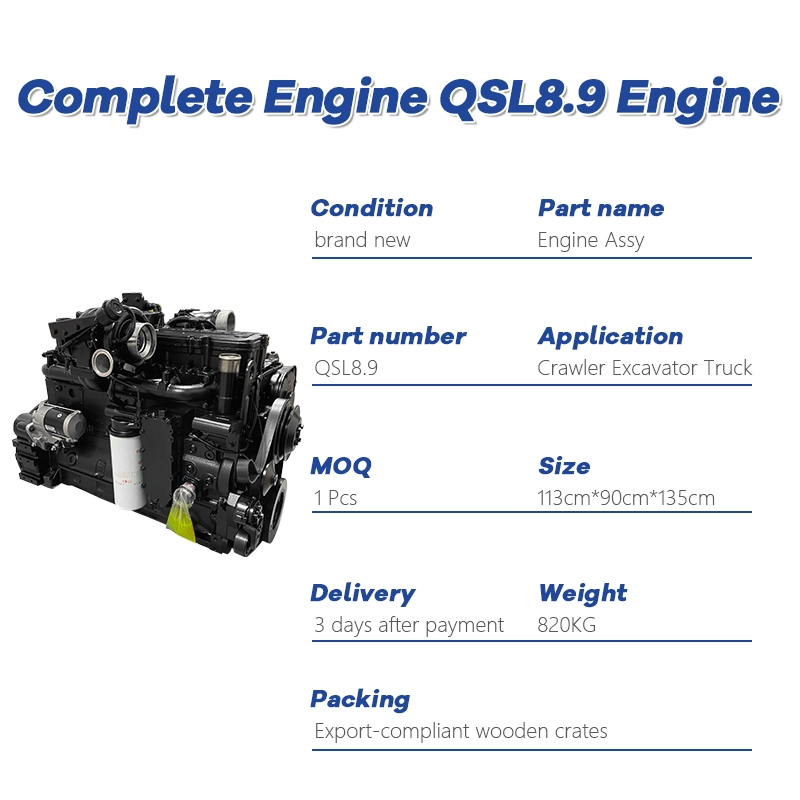
Cummins QSL8.9 Diesel Engine – High Power and Reliability for Heavy Equipment
Prdoucts Categories
FAQ
FAQ
Do you offer bulk purchasing options?
Yes, we offer competitive pricing for bulk orders. If you are interested in purchasing large quantities of parts, please contact our sales team to discuss your requirements and receive a customized quote.
What types of excavator parts do you offer?
Weihuparts provides a comprehensive range of excavator parts, including but not limited to buckets, hydraulic components, undercarriage parts, and engine components. Our goal is to be your one-stop solution for all excavator needs.
Do you provide warranties on your products?
Yes, we stand by the quality of our products. Most parts come with a warranty that covers manufacturing defects. Please refer to the specific warranty information provided with your purchase or contact our customer service team for details.
How do I know which parts I need for my excavator?
If you are unsure which parts are needed, our knowledgeable customer support team can assist you. You can provide us with your excavator model and any relevant details, and we will help you identify the correct parts.
What is your shipping policy?
We offer a variety of shipping options to meet your needs. Orders are typically processed within [insert processing time] days, and delivery times may vary based on your location. We will provide you with tracking information once your order has shipped.
You may also like
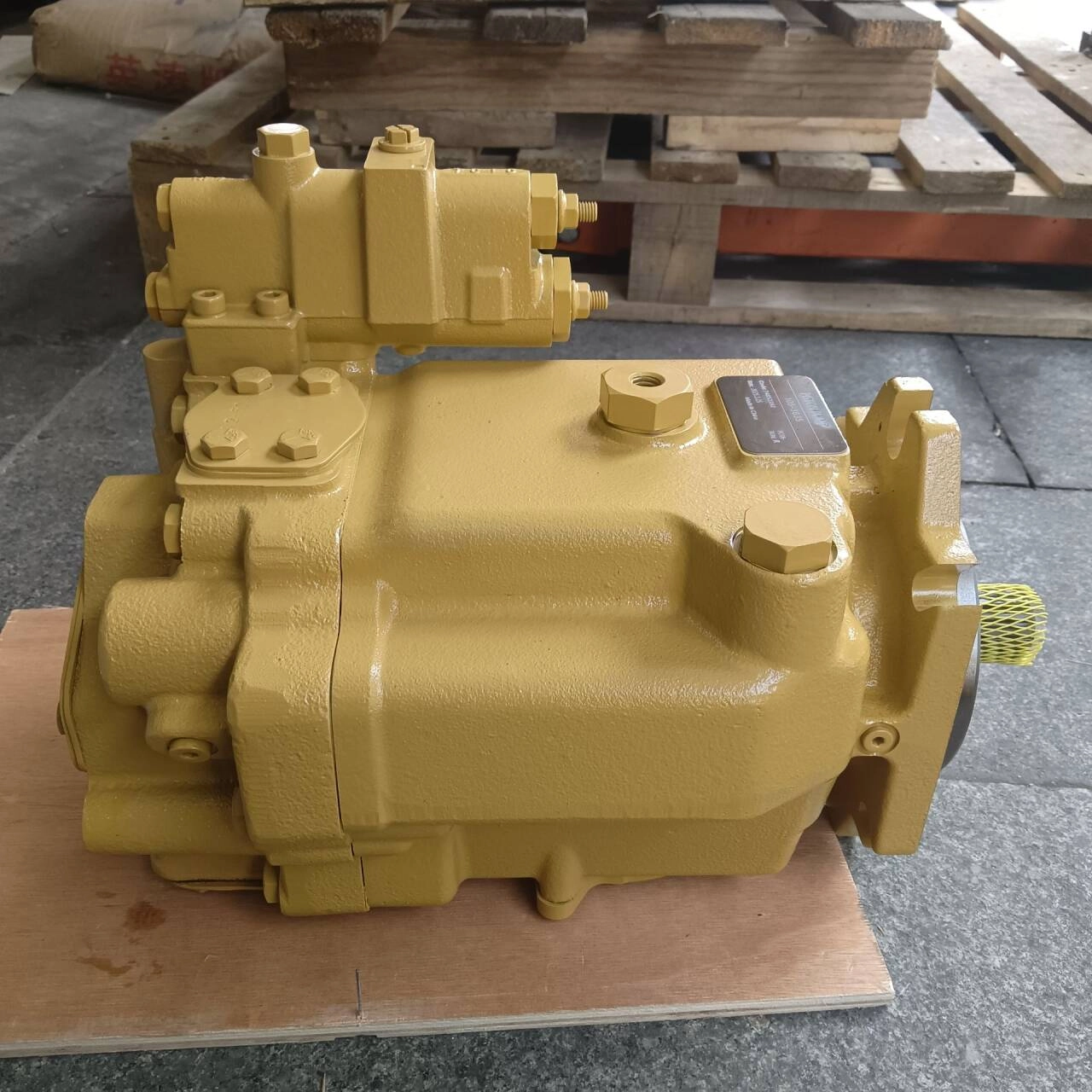
CAT 980H Hydraulic Pump | Heavy-Duty Loader Replacement Part
The CAT 980H and 980G hydraulic pumps are engineered to provide optimal hydraulic power and durability for Caterpillar loaders. Built with premium materials and precision manufacturing, these pumps are ideal for OEM replacements and high-quality aftermarket upgrades. They ensure smooth hydraulic operation and reliable performance in demanding construction environments.
-
✔️ Direct fit for CAT 980H and 980G loaders
-
✔️ Available in OEM and aftermarket versions
-
✔️ High-pressure, heavy-duty hydraulic performance
-
✔️ Manufactured with high-strength alloys and quality seals
-
✔️ Tested for durability and efficiency
-
✔️ Fast global shipping and excellent customer support
- 🛒 Order your CAT 980H & 980G Hydraulic Pump now!
📞 Contact us for bulk orders, technical support, or custom requests.
📦 Fast worldwide shipping | OEM & aftermarket options available -
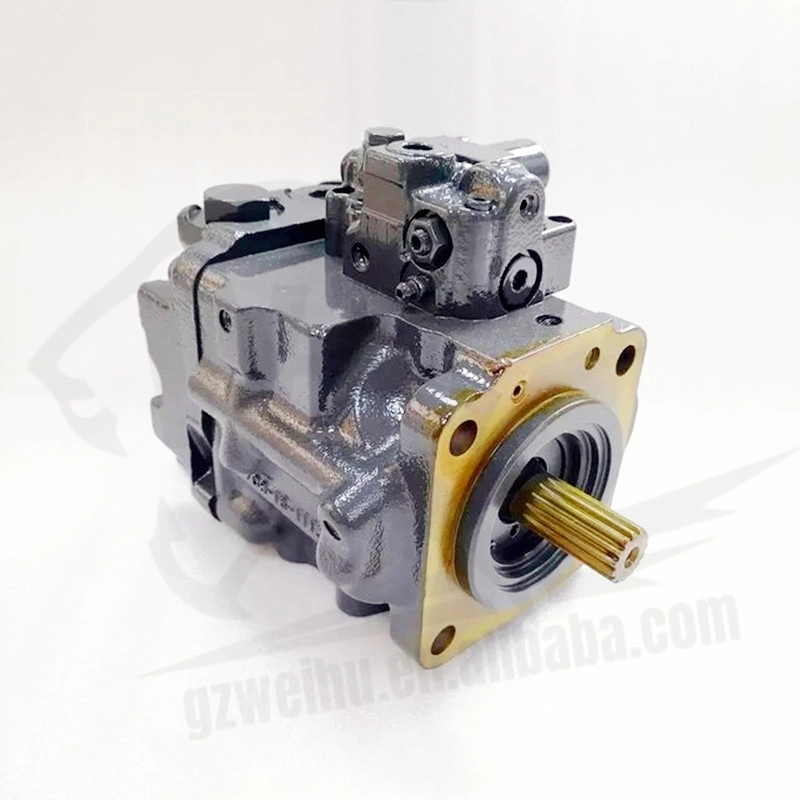
Doosan DX65 Excavator Hydraulic Pump | High-Performance Main Pump
The DX65 hydraulic pump is designed for Doosan DX65 mini excavators, delivering reliable and consistent hydraulic power for smooth machine operation. Whether you're replacing a worn pump or upgrading for enhanced performance, our OEM and aftermarket DX65 pumps offer durability, compatibility, and affordability. Each pump is manufactured using high-quality materials and precision engineering, ensuring long service life and reduced downtime.
-
✔️ 100% fit for Doosan DX65 excavators
-
✔️ Axial piston pump – compact and powerful
-
✔️ OEM & high-quality aftermarket versions available
-
✔️ Tested for pressure, performance & fluid consistency
-
✔️ Precision-sealed with robust alloy components
-
✔️ Global shipping with safe wooden packaging
- 🚜 Order Your Doosan DX65 Hydraulic Pump Today – Performance You Can Trust
📞 Contact Us for stock availability, bulk pricing, or compatibility check
🌍 Fast Global Shipping | OEM & Aftermarket | Secure Payment Options -
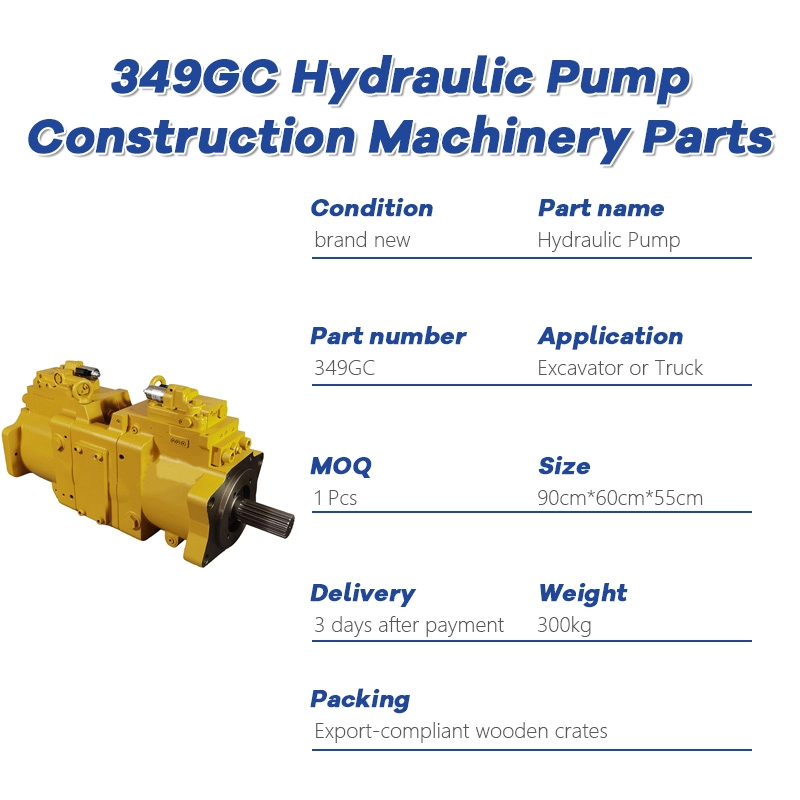
Hydraulic Pump for CAT 349GC | Reliable Performance, Fast Shipping
The CAT 349GC hydraulic pump is engineered to deliver efficient and reliable hydraulic power for Caterpillar 349GC excavators. Manufactured using premium materials and precision engineering, this pump is suitable for OEM replacement or high-quality aftermarket upgrades. It ensures smooth hydraulic flow, durability, and optimal performance even in the most demanding working conditions.
-
✔️ Direct fit for CAT 349GC excavators
-
✔️ OEM and aftermarket options available
-
✔️ High-pressure performance for heavy-duty applications
-
✔️ Manufactured with high-strength alloys and quality seals
-
✔️ Tested for reliability and longevity
-
✔️ Fast global shipping and responsive customer support
- 🚜 Order your CAT 349GC Hydraulic Pump now!
📞 Contact us for bulk pricing, customization, and technical support.
📦 Worldwide shipping available. OEM & aftermarket options.
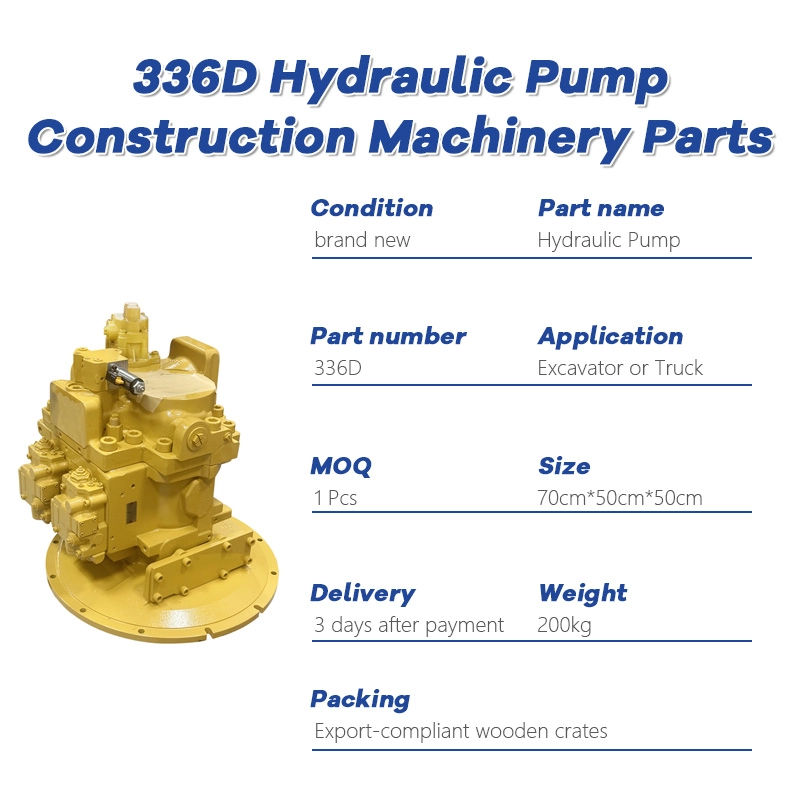
336D Excavator Hydraulic Pump | Heavy Duty CAT Replacement
This CAT 336D hydraulic pump is built for power, durability, and optimal performance. It is designed to fit Caterpillar 336D excavators and is available in both OEM and high-quality aftermarket versions. Whether you're replacing a damaged pump or upgrading your hydraulic system, this part ensures long-lasting and reliable operation in demanding construction environments.
-
✔️ Direct fit for CAT 336D excavators
-
✔️ Available in OEM or premium aftermarket
-
✔️ High-pressure performance for heavy-duty operations
-
✔️ Smooth and efficient hydraulic flow
-
✔️ Rigorously tested for quality and durability
-
✔️ Global shipping and responsive support
-
Get in touch with us
If you have any comments or good suggestions, please leave us a message, later our professional staff will contact you as soon as possible.
To be a happy enterprise in the field of engineering equipment.
Weihuparts delivers efficient and reliable service at each stage to meet the customer's needs.