

jackhuang5919@gmail.com
Hydraulic Pump Failure Mode Analysis for Excavator Parts 2026
Comprehensive 2026 guide to hydraulic pump failure modes in excavators: root causes (contamination, cavitation, wear, overheating, pressure spikes), diagnostics (oil analysis, pressure/flow tests, thermography), mitigation strategies, maintenance best practices, case-based troubleshooting flowchart, and how Weihuparts supports uptime with quality spare parts including hydraulic pump, engine assembly, and excavator engine.
- Diagnosing Hydraulic System Failures in Excavators: Practical 2026 Guide
- Overview: Why hydraulic pump reliability matters for excavator parts
- Primary failure modes of hydraulic pumps in excavators (hydraulic pump focus)
- How common are these causes?
- Mapping symptoms to failure modes for faster troubleshooting (hydraulic pump diagnostics)
- Diagnostic methods and measurable indicators (oil analysis, testing equipment)
- Failure cause matrix: detection and mitigation for excavator hydraulic pump
- Maintenance best practices to extend hydraulic pump life (hydraulic pump maintenance)
- Case study vignette (realistic example based on industry practice)
- Design and specification changes to reduce hydraulic pump failures (engineering controls)
- Weihuparts: partner for excavator spare parts and hydraulic pump support
- Weihuparts advantages and main products: hydraulic pump, engine assembly, excavator engine
- Procurement and warranty considerations when replacing hydraulic pumps
- Implementation checklist: reduce hydraulic pump downtime in 90 days
- FAQ — Hydraulic Pump Failure Mode Analysis for Excavator Parts 2026
- 1. What is the single most common cause of hydraulic pump failure in excavators?
- 2. How can I quickly determine whether a pump failure is caused by cavitation?
- 3. What oil cleanliness level should my excavator hydraulic system target?
- 4. Are aftermarket hydraulic pumps a risk for reduced life?
- 5. How often should I perform oil analysis on excavator hydraulic systems?
- 6. What immediate steps should I take if a hydraulic pump shows rapid performance decline onsite?
- Contact and product inquiry (CTA)
- References
Diagnosing Hydraulic System Failures in Excavators: Practical 2026 Guide
Overview: Why hydraulic pump reliability matters for excavator parts
The hydraulic pump is the heart of modern excavators — it converts mechanical power into hydraulic energy that drives booms, buckets, slewing, and travel systems. In 2026, fleet owners demand higher uptime, lower life-cycle costs, and predictable maintenance windows. A failed hydraulic pump not only stops work but can cascade into damage to valves, motors, hoses, and engine systems. This article provides an evidence-based failure mode analysis for hydraulic pump problems in excavators, practical diagnostics, and mitigation strategies to reduce downtime and costs.
Primary failure modes of hydraulic pumps in excavators (hydraulic pump focus)
Understanding common failure modes helps prioritize inspections and corrective actions. Below are the primary failure modes you will encounter with excavator hydraulic pumps:
- Contamination and abrasive wear: Solid particles in the fluid abrade surfaces, scoring pistons, sleeves, and gears.
- Cavitation and gas entrainment: Vapor bubbles form and collapse inside pump chambers causing pitting, noise, and loss of capacity.
- Hydraulic fluid degradation and overheating: Oxidation, varnish, and thermal breakdown cause loss of lubricity and clogging of valves/clearances.
- Pressure and flow spikes (shock loads): Transient spikes damage seals and internal components.
- Seal failure and internal leakage: Seal wear leads to reduced efficiency and increased operating temperatures.
- Mechanical wear and misalignment: Shaft misalignment, bearing wear, and improper assembly reduce pump life.
- Incorrect component selection or installation: Wrong pump type, incompatible oil viscosity, or improper relief valve settings.
How common are these causes?
Industry studies and maintenance experience consistently show contamination as the leading cause of hydraulic component failures. Noria and other oil-analysis specialists commonly report contamination-related failures account for a large majority of hydraulic system incidents (often cited in the 50–80% range depending on fleet and operating conditions). Cavitation, overheating and improper system design are next in frequency but vary by machine age and operating environment.
Mapping symptoms to failure modes for faster troubleshooting (hydraulic pump diagnostics)
When a hydraulics technician inspects an excavator, certain symptoms map reliably to root causes. Use the following symptom-to-cause guide to prioritize tests and reduce time to repair.
- Excessive noise (knocking, whining): Suggests cavitation, gas entrainment, or internal wear.
- Reduced flow or slow actuator speed: Internal leakage, worn clearances, or pump displacement loss.
- High fluid temperature: Overloading, viscous losses, blocked coolers, or insufficient oil volume.
- Pressure instability or spikes: Relief valve mal-settings, water hammer from blockages, or sudden load changes.
- Foaming or aerated fluid: Air ingress at suction, faulty breathers, or degassing issues.
Diagnostic methods and measurable indicators (oil analysis, testing equipment)
Good diagnostics use measurable data. Prioritize these tests:
- Oil analysis: Particle count (ISO 4406), viscosity, acidity (TAN), water content, and presence of ferrous particles (ferrography). Contamination limits and trending are predictive.
- Pressure and flow testing: Use calibrated gauges and flow meters to measure pump output at set RPMs and load conditions.
- Temperature and thermal imaging: Identify hotspots in pump body, hoses, or coolers.
- Acoustic/vibration analysis: Early detection of cavitation, bearing wear, and misalignment (ultrasonic sensors help detect micro-cavitation).
- Visual inspection and borescope: Evaluate internal surfaces for pitting, scoring, or varnish.
Failure cause matrix: detection and mitigation for excavator hydraulic pump
The table below summarizes cause, typical detection method, and mitigation measures. This format helps maintenance planners choose interventions with the highest ROI.
| Failure Cause | Key Diagnostic Indicators | Immediate Mitigation | Long-term Prevention |
|---|---|---|---|
| Contamination (particles, water) | High ISO 4406 particle counts, ferrous particles, increased wear metals | Fluid flush, replace filters, change oil; inspect element bypass | Improved filtration (β ratio), breathers, offline filtration, scheduled oil analysis |
| Cavitation / gas entrainment | High-frequency noise, pitting on components, low inlet pressure | Check suction line, remove restrictions, ensure correct fluid level | Increase NPSH margin, larger suction lines, degassing reservoirs |
| Overheating / fluid degradation | High oil temp, dark/varnished oil, high TAN | Reduce load, stop machine to cool, replace degraded oil | Cooling system maintenance, proper oil selection, heat exchangers |
| Pressure spikes / shock | Intermittent pressure peaks on gauge, damaged relief valves | Install damping accumulators, verify relief settings | Hydraulic snubbers, proper accumulator sizing, surge protection |
| Seal / bearing failure | Internal leakage, loss of displacement, metal particles | Replace seals/bearings, inspect mating surfaces | Correct assembly tolerances, use OEM parts, scheduled inspections |
Maintenance best practices to extend hydraulic pump life (hydraulic pump maintenance)
Routine maintenance reduces risk and cost. Implement these field-proven practices:
- Establish an oil-analysis program: monitor ISO particle counts, viscosity, TAN, and water monthly or per operating hours.
- Upgrade filtration and maintain proper β ratios for target particle sizes (often β10/β4 targets depending on pump type).
- Control fluid cleanliness during refills and repairs — use transfer pumps and clean storage drums.
- Design for proper NPSH: ensure suction lines are short, gravity-fed tanks where possible, and avoid elevated suction strainers.
- Use OEM or OEM-equivalent hydraulic pump spare parts for critical tolerances — cheap parts often increase failure rates.
- Train technicians on symptoms and use standard troubleshooting flowcharts to reduce misdiagnosis and repeated failures.
Case study vignette (realistic example based on industry practice)
A 20-ton crawler excavator experienced progressive loss of arm speed and noisy operation. Oil analysis revealed ISO 22/20/17 particulate counts and elevated ferrous content. Visual inspection showed scoring on piston shoes consistent with abrasive contamination. Root cause: breached rod seal on an adjacent cylinder allowed contaminated soil into reservoir during heavy operation. Solution: replace damaged seals, flush system, install higher-capacity return-line filtration, and implement remote breather filters for dusty environments. Result: after changes, particle counts fell to ISO 16/14/11 and pump performance stabilized for the following 18 months.
Design and specification changes to reduce hydraulic pump failures (engineering controls)
For fleet owners and OEMs considering upgrades, the following specification and design changes provide measurable reliability gains:
- Specify pumps with broader pressure and temperature tolerances suited to your application.
- Design reservoir geometry to promote deaeration and settling (baffle plates, larger surface area).
- Include service ports and sample points for oil analysis and pressure/flow測試.
- Where shock loads are common, incorporate accumulators and pulse dampeners at critical nodes.
- Use materials and coatings for wear resistance in abrasive environments (hardened sleeves, surface treatments).
Weihuparts: partner for excavator spare parts and hydraulic pump support
Weihuparts serves as a reliable partner for global clients in the excavator spare parts sector. We provide a comprehensive selection of excavator parts designed to support a variety of operational needs, whether for routine tasks or high-performance excavator systems.
With a focus on quality, cost-effectiveness, and timely delivery, Weihuparts is dedicated to supporting businesses by ensuring the availability of essential parts to keep machinery running smoothly.
Weihuparts places a strong emphasis on innovative R&D, continually advancing the design and performance of excavator parts. With a dedicated team of engineers and technicians, the company focuses on developing high-quality, durable, and efficient components that meet the latest industry standards.
Our vision is to be a leading excavator parts manufacturer and a pioneer in transforming the excavator industry through quality, sustainability, and innovation. We aspire to set a global standard for service and reliability in the excavator parts market, creating lasting partnerships and ensuring that our solutions contribute to the success of every project we serve.
Weihuparts advantages and main products: hydraulic pump, engine assembly, excavator engine
Why choose Weihuparts for hydraulic pump and excavator engine needs?
- Quality assurance: Components are manufactured to strict tolerances and tested for hydraulic performance and durability.
- Technical support: Engineering assistance for pump selection, installation guidance, and troubleshooting procedures.
- Supply chain reliability: Short lead times, global shipping options, and consistent inventory for common pump models.
- R&D and customization: Options to adjust pump displacement, shaft interfaces, and materials to match specific application demands.
Main product lines supporting uptime:
- Hydraulic pump: Axial piston pumps, gear pumps, vane pumps sized for excavator classes and duty cycles.
- Engine assembly: Complete assemblies and sub-assemblies optimized for compatibility and performance.
- Excavator engine: Replacement and performance engines with emission-controlled and heavy-duty variants.
Procurement and warranty considerations when replacing hydraulic pumps
When you purchase replacement hydraulic pumps, evaluate:
- OEM vs. aftermarket compatibility and tolerance specifications.
- Warranty length and coverage (including labor and consequential damages).
- Availability of technical documentation, assembly drawings, and installation torque specs.
- Field service support and spare parts kits (seals, bearings, relief valves).
Weihuparts provides documented specifications, testing support, and packaged maintenance kits to simplify procurement and reduce installation errors.
Implementation checklist: reduce hydraulic pump downtime in 90 days
- Start or tighten oil-analysis routine and baseline particle counts.
- Audit filtration and reservoirs on 100% of machines; add breathers and return-line filters where missing.
- Train 2–3 technicians on symptom mapping and use of pressure/flow gauges.
- Replace suspect pumps with validated Weihuparts hydraulic pumps and collect before/after data.
- Document changes and update preventive maintenance schedules.
FAQ — Hydraulic Pump Failure Mode Analysis for Excavator Parts 2026
1. What is the single most common cause of hydraulic pump failure in excavators?
Fluid contamination (solid particles and water) is the most frequently cited cause. Industry oil-analysis specialists report contamination accounts for a majority of hydraulic component failures in many fleets. Contamination accelerates abrasive wear, clogs clearances, and leads to secondary failures.
2. How can I quickly determine whether a pump failure is caused by cavitation?
Look for whining/knocking noises at the pump, pitting on internal parts, decreased flow at full RPM, and low suction pressure readings. Use an ultrasonic detector for early cavitation signatures and inspect suction lines for restrictions or air ingress.
3. What oil cleanliness level should my excavator hydraulic system target?
Target ISO cleanliness appropriate for pump type and application—many medium-heavy applications aim for ISO 16/14/11 or better. High-pressure piston pumps typically require tighter cleanliness (e.g., ISO 14/12/9). Verify OEM recommendations for your specific pump.
4. Are aftermarket hydraulic pumps a risk for reduced life?
Aftermarket parts vary widely. High-quality aftermarket pumps with documented tolerances and testing can perform well, but low-cost, unverified units may have poor clearances and material quality that shorten life. Choose suppliers with testing records, warranties, and engineering support (e.g., Weihuparts).
5. How often should I perform oil analysis on excavator hydraulic systems?
For high-use fleets or critical machines, monthly sampling or every 250–500 operating hours is common. Lower-use machines may be sampled quarterly. Trend particle counts, viscosity, and water content to detect early degradation.
6. What immediate steps should I take if a hydraulic pump shows rapid performance decline onsite?
Stop operation to prevent collateral damage, take an oil sample, measure pump inlet and outlet pressures and flow, inspect suction lines for blockages, and check reservoir level and breather condition. If contamination is suspected, isolate and plan a controlled flush and filter change.
Contact and product inquiry (CTA)
For technical support, spare part quotes, or help selecting the right hydraulic pump for your excavator fleet, contact Weihuparts. Visit our product catalog online or reach out to our engineering team for application-specific recommendations and OEM-equivalent replacements. Keep your machines running with prompt delivery, robust warranties, and expert after-sales support.
References
- Noria Corporation — Articles and resources on hydraulic fluid contamination and maintenance best practices. (https://www.noria.com/, accessed 2024-10-10)
- Hydraulics & Pneumatics — Technical articles on cavitation, system design, and troubleshooting. (https://www.hydraulicspneumatics.com/, accessed 2024-09-22)
- Parker Hannifin — Technical resources on hydraulic pump selection and failure analysis. (https://www.parker.com/, accessed 2024-09-30)
- Eaton — White papers and application notes for hydraulic system protection and pump reliability. (https://www.eaton.com/, accessed 2024-10-02)
- ISO — ISO 4406: Hydraulic fluid power — Fluids — Method for coding the level of contamination by solid particles. (https://www.iso.org/standard/40330., accessed 2024-10-01)
- Caterpillar — Maintenance and parts guidance for hydraulic systems and pumps. (https://www.cat.com/en_US/support/maintenance., accessed 2024-09-28)
Tags
Caterpillar 3306 rebuilt engine
Caterpillar 3306 rebuilt engine
CAT 320D SBS120 pump
CAT 320D SBS120 pump
CAT C9 engine
CAT C9 engine
OEM Excavator Engine V2607 Spare Part
OEM Excavator Engine V2607 Spare Part
Carter 3306 engine for sale
Carter 3306 engine for sale
mitsubishi s4q2 engine for sale
mitsubishi s4q2 engine for sale
Recommended for you
Common Excavator Engine Problems and Solutions
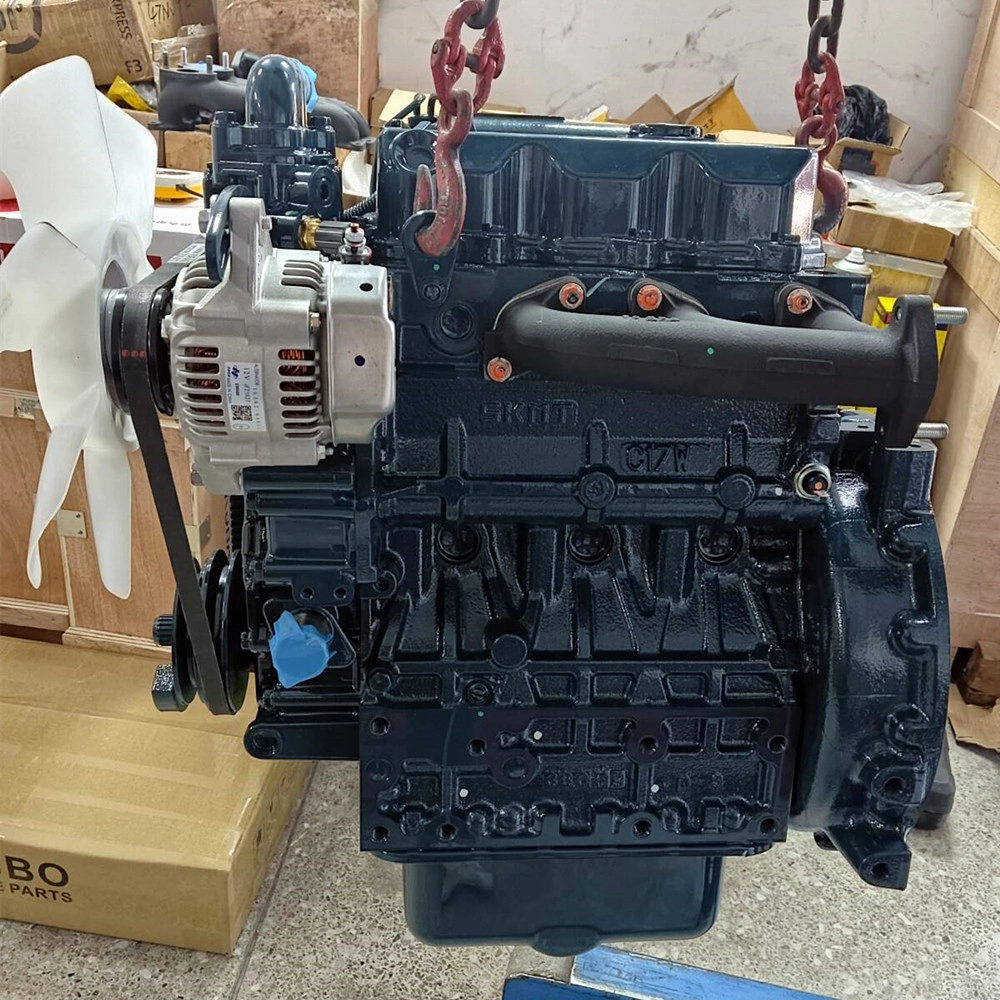
Maintenance Strategies for Isuzu D1703 Engine Assemblies
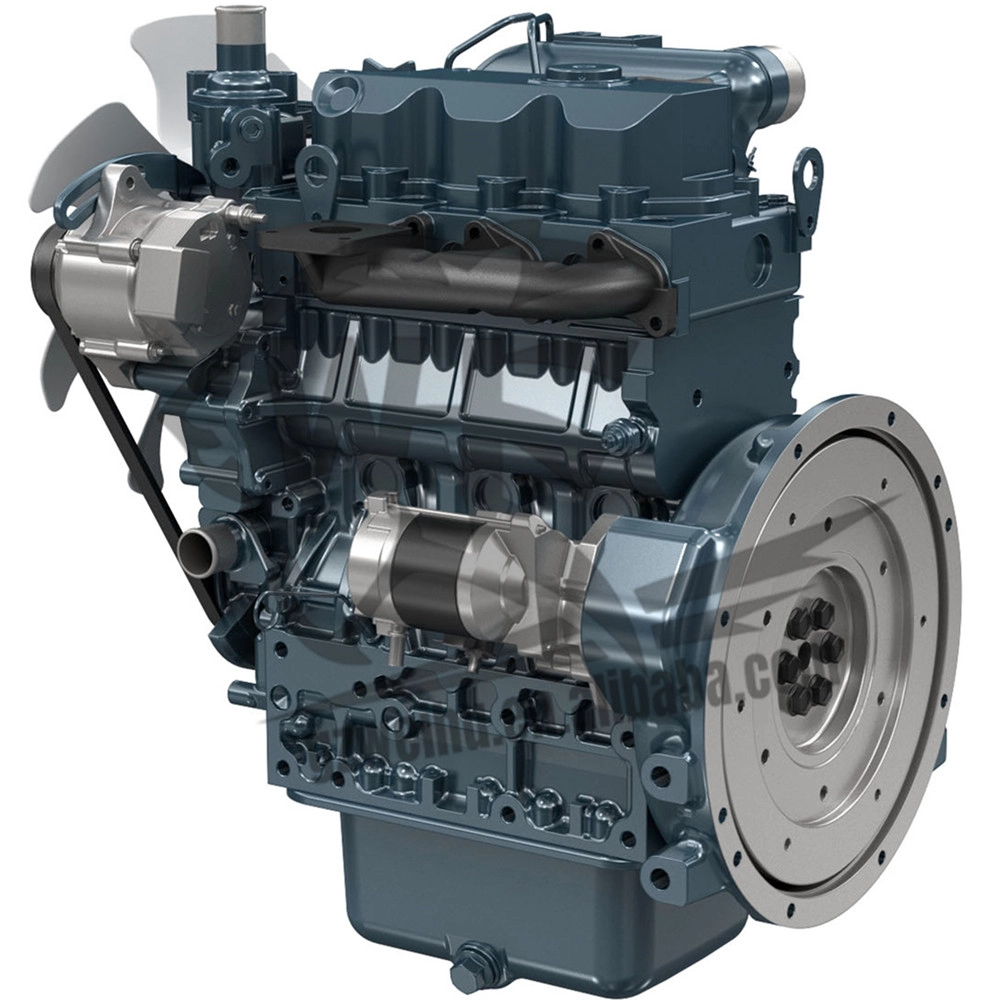
Warranty, Testing and Quality Controls for Isuzu D1703
How to Choose the Right Excavator Parts for Your Machine — Practical Guide
Prdoucts Categories
Question you may concern
FAQ
Are your parts compatible with all excavator brands?
Weihuparts strives to offer parts compatible with a wide range of excavator brands and models. However, we recommend checking the product specifications or consulting with our team to ensure compatibility with your specific excavator.
Do you provide installation services for your parts?
While we do not offer installation services directly, we can recommend qualified professionals or resources to assist you with the installation of our parts. Our customer support team can provide guidance on finding local service providers.
Can I return or exchange parts if I change my mind?
Yes, we accept returns and exchanges within [insert return period, e.g., 30 days] of purchase. The items must be unused and in their original packaging. Please contact our customer service team to initiate a return or exchange.
What types of excavator parts do you offer?
Weihuparts provides a comprehensive range of excavator parts, including but not limited to buckets, hydraulic components, undercarriage parts, and engine components. Our goal is to be your one-stop solution for all excavator needs.
Do you provide warranties on your products?
Yes, we stand by the quality of our products. Most parts come with a warranty that covers manufacturing defects. Please refer to the specific warranty information provided with your purchase or contact our customer service team for details.
You may also like
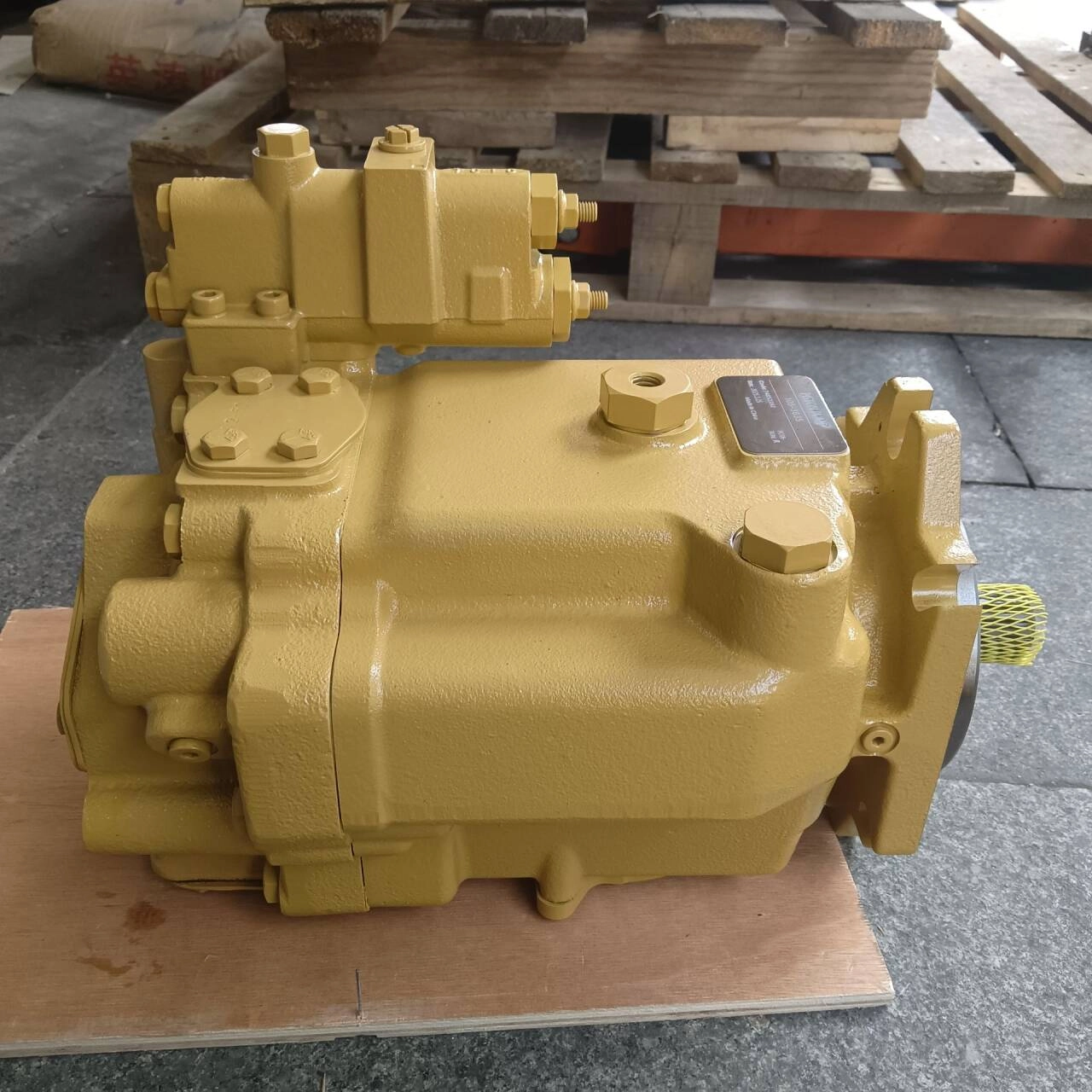
CAT 980H Hydraulic Pump | Heavy-Duty Loader Replacement Part
The CAT 980H and 980G hydraulic pumps are engineered to provide optimal hydraulic power and durability for Caterpillar loaders. Built with premium materials and precision manufacturing, these pumps are ideal for OEM replacements and high-quality aftermarket upgrades. They ensure smooth hydraulic operation and reliable performance in demanding construction environments.
-
✔️ Direct fit for CAT 980H and 980G loaders
-
✔️ Available in OEM and aftermarket versions
-
✔️ High-pressure, heavy-duty hydraulic performance
-
✔️ Manufactured with high-strength alloys and quality seals
-
✔️ Tested for durability and efficiency
-
✔️ Fast global shipping and excellent customer support
- 🛒 Order your CAT 980H & 980G Hydraulic Pump now!
📞 Contact us for bulk orders, technical support, or custom requests.
📦 Fast worldwide shipping | OEM & aftermarket options available -
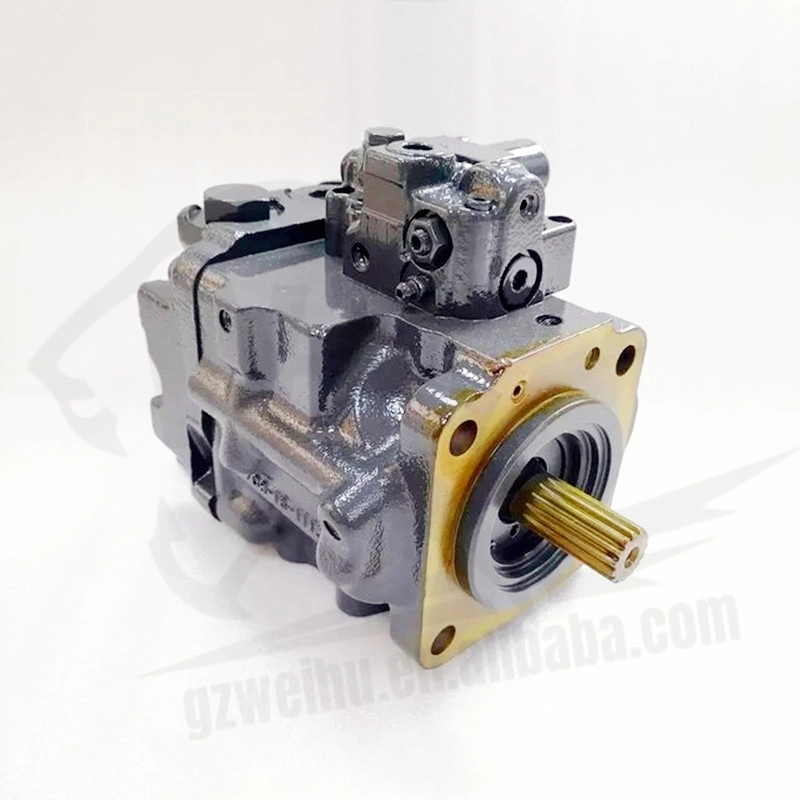
Doosan DX65 Excavator Hydraulic Pump | High-Performance Main Pump
The DX65 hydraulic pump is designed for Doosan DX65 mini excavators, delivering reliable and consistent hydraulic power for smooth machine operation. Whether you're replacing a worn pump or upgrading for enhanced performance, our OEM and aftermarket DX65 pumps offer durability, compatibility, and affordability. Each pump is manufactured using high-quality materials and precision engineering, ensuring long service life and reduced downtime.
-
✔️ 100% fit for Doosan DX65 excavators
-
✔️ Axial piston pump – compact and powerful
-
✔️ OEM & high-quality aftermarket versions available
-
✔️ Tested for pressure, performance & fluid consistency
-
✔️ Precision-sealed with robust alloy components
-
✔️ Global shipping with safe wooden packaging
- 🚜 Order Your Doosan DX65 Hydraulic Pump Today – Performance You Can Trust
📞 Contact Us for stock availability, bulk pricing, or compatibility check
🌍 Fast Global Shipping | OEM & Aftermarket | Secure Payment Options -
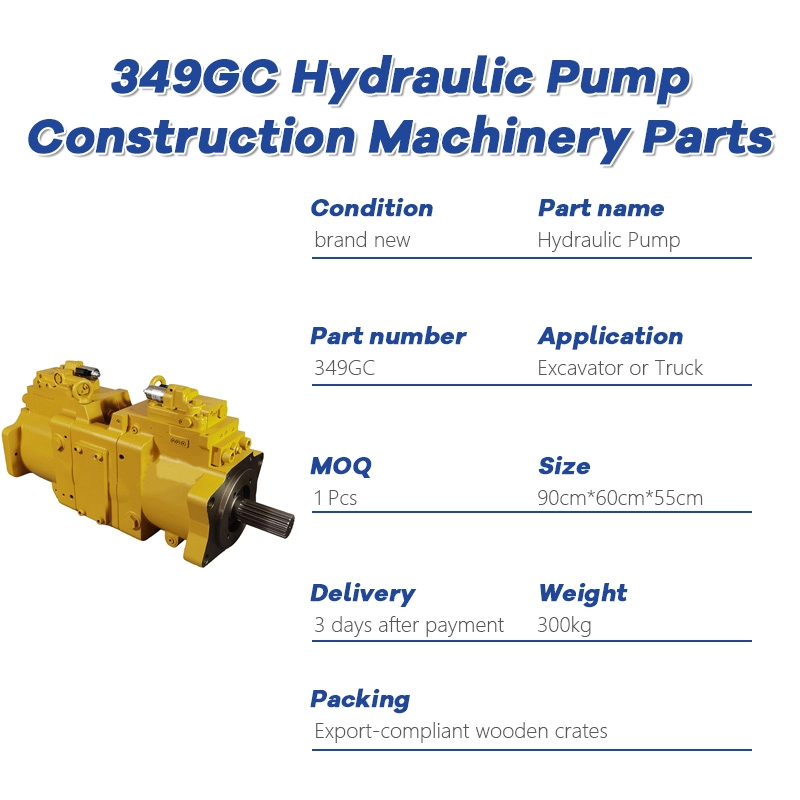
Hydraulic Pump for CAT 349GC | Reliable Performance, Fast Shipping
The CAT 349GC hydraulic pump is engineered to deliver efficient and reliable hydraulic power for Caterpillar 349GC excavators. Manufactured using premium materials and precision engineering, this pump is suitable for OEM replacement or high-quality aftermarket upgrades. It ensures smooth hydraulic flow, durability, and optimal performance even in the most demanding working conditions.
-
✔️ Direct fit for CAT 349GC excavators
-
✔️ OEM and aftermarket options available
-
✔️ High-pressure performance for heavy-duty applications
-
✔️ Manufactured with high-strength alloys and quality seals
-
✔️ Tested for reliability and longevity
-
✔️ Fast global shipping and responsive customer support
- 🚜 Order your CAT 349GC Hydraulic Pump now!
📞 Contact us for bulk pricing, customization, and technical support.
📦 Worldwide shipping available. OEM & aftermarket options.
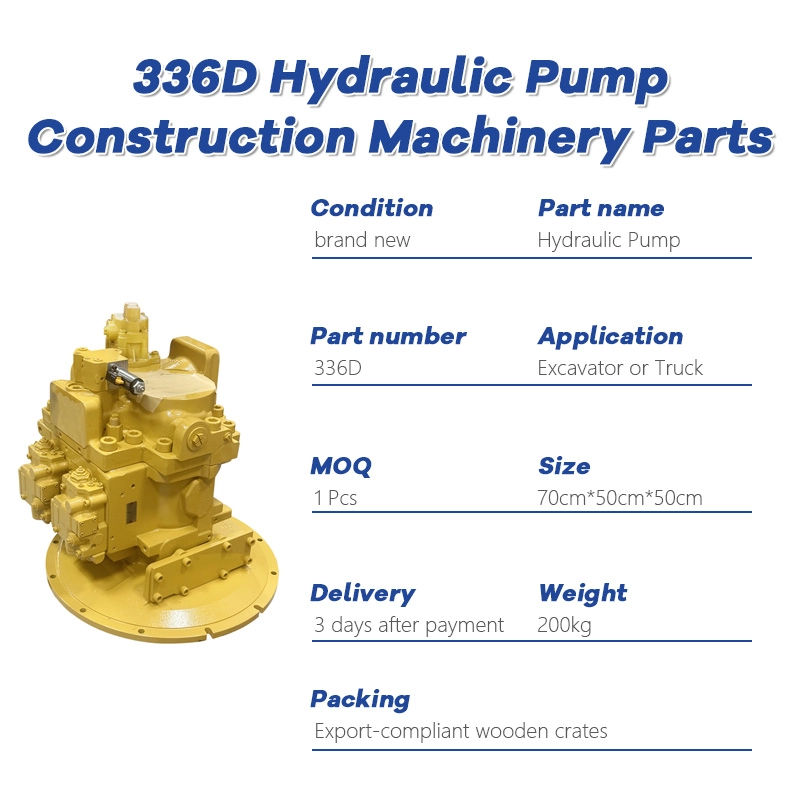
336D Excavator Hydraulic Pump | Heavy Duty CAT Replacement
This CAT 336D hydraulic pump is built for power, durability, and optimal performance. It is designed to fit Caterpillar 336D excavators and is available in both OEM and high-quality aftermarket versions. Whether you're replacing a damaged pump or upgrading your hydraulic system, this part ensures long-lasting and reliable operation in demanding construction environments.
-
✔️ Direct fit for CAT 336D excavators
-
✔️ Available in OEM or premium aftermarket
-
✔️ High-pressure performance for heavy-duty operations
-
✔️ Smooth and efficient hydraulic flow
-
✔️ Rigorously tested for quality and durability
-
✔️ Global shipping and responsive support
-
Get in touch with us
If you have any comments or good suggestions, please leave us a message, later our professional staff will contact you as soon as possible.
To be a happy enterprise in the field of engineering equipment.
Weihuparts delivers efficient and reliable service at each stage to meet the customer's needs.