

jackhuang5919@gmail.com
Hydraulic Pumps Guide 2026
2025-10-23
Discover top 2026 trends & applications of hydraulic pumps and parts for excavators with Weihuparts—quality, innovation, and timely delivery guaranteed.
- Hydraulic Pump 2026 Market Analysis
- What is the Hydraulic Pump?
- What Are Three Types of Hydraulic Pumps?
- What is Single Stage or Two Stage Hydraulic Pump?
- What's Better, Single Stage or Two Stage?
- How Do Hydraulic Pumps Operate?
- What is the Basic Principle of Hydraulic Pump?
- How Hydraulic Pumps Work
- What Are the Applications of Hydraulic Pumps?
- Hydraulic Pumps in Excavators: Specific Applications & Importance
- Recommended Weihuparts Products:
- How to Choose Hydraulic Pumps
- FAQs About Hydraulic Pumps
- What is the difference between a hydraulic pump and a hydraulic motor?
- How do I know when to replace my hydraulic pump?
- Can hydraulic pumps operate in extreme temperatures?
- How should I maintain my hydraulic pump?
- How do I select a reliable hydraulic pump manufacturer?
- Conclusion
Hydraulic Pump 2026 Market Analysis
Research Nester says the global hydraulic gear pump market is expected to reach USD 3.02 billion by 2035, growing at a CAGR of over 3.6% from 2026 to 2035. This growth is driven by the increasing demand for hydraulic systems in construction, mining, and industrial machinery. In the U.S., the hydraulic pumps market is expected to grow from USD 1,387.1 million in 2024 to USD 1,619.0 million by 2030, at a CAGR of 2.6% (Data Source:grandviewresearch.com).
The growing use of electric hydraulic pumps, hydraulic ram pumps, and portable hydraulic pumps is also driving market expansion. There are a lot of infrastructure projects happening all over the world right now, and there's a big demand for efficient, high-pressure hydraulic systems in excavators and construction equipment. This makes the sector pretty attractive for B2B investments.
What is the Hydraulic Pump?
A hydraulic pump is a mechanical device that converts mechanical energy into hydraulic energy by moving hydraulic fluid through a system. In excavators, hydraulic pumps are the heart of the hydraulic system. They provide the pressure and flow needed to operate the boom, arm, bucket, swing mechanism, and travel system. Excavators need a hydraulic pump to do things like lift, dig, and rotate with precision.
Hydraulic pumps also improve machine efficiency by maintaining smooth, consistent pressure, reducing energy loss, and enhancing operational safety. There are different types of hydraulic pumps, like gear, piston, and vane pumps, that let excavator manufacturers match performance with the specific needs of different machinery models.

What Are Three Types of Hydraulic Pumps?
Hydraulic pumps can be classified into three main types. The following table highlights their characteristics in detail:
| Pump Type | Mechanism | Advantages | Disadvantages | Typical Applications |
|---|---|---|---|---|
| Gear Pump | Intermeshing gears move fluid through the pump | Simple and robust design, cost-effective, reliable for moderate pressure | Lower efficiency at high pressure, cannot handle contaminants well | Mini excavators, skid steers, industrial machines |
| Vane Pump | Rotating vanes on a cam create suction & pressure | Smooth flow, moderate pressure range, quieter operation than gear pumps | Sensitive to fluid contamination, more complex than gear pumps | Medium excavators, compact loaders, hydraulic lifts |
| Piston Pump | Axial or radial pistons move fluid through high-pressure chambers | High efficiency, excellent for high-pressure systems, durable for heavy loads | Expensive, complex assembly and maintenance | Large excavators, heavy-duty mining machinery, power take-off hydraulic systems |
What is Single Stage or Two Stage Hydraulic Pump?
You can get hydraulic pumps in single-stage or two-stage designs, depending on what you need.
Single-stage hydraulic pumps provide a steady flow of fluid at a single pressure level. They're simple, cheap, and work well with basic machinery where constant pressure is enough.
Two-stage hydraulic pumps give you control over the pressure. You can run at a lower pressure and higher flow rate for everyday jobs, and then crank it up to a higher pressure for the really tough stuff. They're great at handling different loads and making sure everything runs smoothly in tough situations, like with big excavators and mining equipment.
What's Better, Single Stage or Two Stage?
| Feature | Single Stage Hydraulic Pump | Two Stage Hydraulic Pump |
|---|---|---|
| Pressure Capability | Typically 100–200 bar | Can reach up to 350 bar or more, suitable for high-demand applications |
| Flow Rate | Constant and moderate | Variable; low-pressure high-flow and high-pressure low-flow stages |
| Efficiency | Moderate | Higher efficiency under variable load conditions |
| Operational Flexibility | Limited | High; adapts to changing workloads and power requirements |
| Maintenance | Simpler, fewer components, easier to service | More complex; requires careful maintenance and monitoring |
| Cost | Lower | Higher due to advanced design and components |
| Recommended Use | Small to mid-size excavators, basic hydraulic systems | Large excavators, heavy-duty machinery, systems requiring precise control |
How Do Hydraulic Pumps Operate?
Hydraulic pumps work by taking mechanical energy from an engine or motor and converting it into pressurized hydraulic fluid that can do mechanical work. This pressurized fluid powers cylinders, motors, and actuators, enabling movement of the machine components.
What is the Basic Principle of Hydraulic Pump?
The basic idea behind a hydraulic pump is Pascal's Law. This law says that pressure applied to a confined fluid is transmitted equally in all directions. The pump draws hydraulic fluid from a reservoir, and the mechanical motion of gears, pistons, or vanes pressurizes the fluid by reducing the volume of the fluid chambers. This pressurized fluid is then sent to actuators, like hydraulic cylinders or motors, which change the hydraulic energy into linear or rotational motion to lift, dig, rotate, or move machinery. Valves and regulators control the flow and pressure, making sure everything runs safely and efficiently. This principle allows hydraulic pumps to multiply force, making it possible to move heavy loads with precision using relatively small motors.
How Hydraulic Pumps Work
-
Step 1: Suction Phase – Fluid is drawn into the pump from the reservoir via the inlet port.
-
Step 2: Compression/Pressurization – Pump mechanism (gear, piston, or vane) compresses the fluid, increasing pressure.
-
Step 3: Delivery Phase – Pressurized fluid exits through the outlet port toward the hydraulic system.
-
Step 4: Actuation – Fluid flows to cylinders or motors to perform mechanical work (lifting, tilting, rotation).
-
Step 5: Return Flow – Fluid returns to the reservoir after completing the work cycle, ready for recirculation.
-
Step 6: Monitoring & Control – Pressure and flow sensors regulate system performance, prevent overload, and enhance efficiency.
-

What Are the Applications of Hydraulic Pumps?
Hydraulic pumps are essential for excavator operations and industrial machinery:
-
Boom and Arm Operation – Provides lifting force and extension for digging and material handling.
-
Bucket Operation – Controls tilt, dump, and rotation of the bucket for precision work.
-
Swing Mechanism – Powers 360-degree rotation of the upper structure.
-
Travel System – Drives tracks and wheels for maneuvering on uneven terrain.
-
Auxiliary Attachments – Supplies hydraulic energy to attachments like breakers, grapples, and augers.
Hydraulic Pumps in Excavators: Specific Applications & Importance
Hydraulic pumps in excavators ensure smooth, efficient, and reliable operation:
-
Critical for Heavy Loads – They allow precise control even under high-pressure conditions.
-
Enhance Efficiency – Maintain constant power delivery to boom, arm, and bucket systems.
-
Support Multiple Attachments – Ensure simultaneous operation of auxiliary tools.
-

Recommended Weihuparts Products:
-
Product Model Compatible Equipment Pump Type Max Flow (L/min) Max Pressure (MPa) Key Features CAT 336D Hydraulic Pump

Caterpillar 336D Excavator Axial Piston Pump 280 35 High durability; direct fit for CAT 336D; OEM and aftermarket options; smooth, efficient hydraulic flow; tested for quality and reliability. AP2D28A Hydraulic Pump

Mini/Mid-Size Excavators Compact Axial Piston Pump 120 23 Efficient compact design; suitable for tight-space applications; OEM and aftermarket options; high-pressure performance; long service life. CAT 345GC Hydraulic Pump

Caterpillar 345GC Excavator Heavy-Duty Axial Piston Pump 630 35 Built for heavy-duty use; direct fit for CAT 345GC; premium materials and seals; smooth hydraulic operation; tested for pressure, flow, and durability.
How to Choose Hydraulic Pumps
Selecting the right hydraulic pump for excavators involves multiple factors:
-
Machine Compatibility – Choose pumps designed specifically for your excavator model (e.g., CAT, Komatsu).
-
Pressure & Flow Requirements – Consider the maximum pressure and required flow rate for lifting, digging, and auxiliary operations.
-
Pump Type – Gear, piston, or vane pumps, depending on efficiency, load, and operating conditions.
-
Single Stage vs Two Stage – Select single-stage for simple operations; two-stage for variable loads and high-pressure requirements.
-
Material & Durability – Check for high-strength alloys, seals, and quality standards to ensure long service life.
-
Maintenance & Support – Opt for manufacturers that provide technical support, spare parts, and worldwide shipping.
-
OEM vs Aftermarket – OEM pumps offer guaranteed fit and reliability; quality aftermarket pumps can reduce costs without compromising performance.
FAQs About Hydraulic Pumps
What is the difference between a hydraulic pump and a hydraulic motor?
A hydraulic pump converts mechanical energy into hydraulic energy (pressurized fluid), while a hydraulic motor converts hydraulic energy back into mechanical motion, such as rotation or linear actuation.
How do I know when to replace my hydraulic pump?
Some signs you might see are reduced performance, unusual noise, overheating, fluid leaks, or pressure fluctuations. It's important to inspect and monitor them regularly so you can replace them on time.
Can hydraulic pumps operate in extreme temperatures?
Absolutely, but picking the right hydraulic fluid is key. When it's cold out, you want fluids that don't have a lot of viscosity. And when it's hot, you need fluids that can handle it. Heating or cooling systems might be needed to keep things running smoothly.
How should I maintain my hydraulic pump?
Maintenance includes checking fluid levels, looking for leaks, cleaning or replacing filters, monitoring system pressure, and following the manufacturer's maintenance schedule.
How do I select a reliable hydraulic pump manufacturer?
When you're picking an excavator parts manufacturer, it's key to go with one that's got a proven track record, a global distribution network, technical support, certifications, and a wide range of compatible hydraulic pumps and parts. Weihuparts is a trusted supplier offering high-quality pumps for various excavator models.
Conclusion
Hydraulic pumps are the heart of excavator hydraulic systems, making sure they're precise, powerful, and reliable for construction, mining, and industrial uses. If you know the different types of pumps, how they work, and when to use them, you can make sure your machine is running at its best.
If you're looking for top-notch hydraulic pumps and parts that can handle a wide range of jobs, Weihuparts is the place to go. We've got a huge selection of products and solutions, so you can find exactly what you need.
Recommended for you
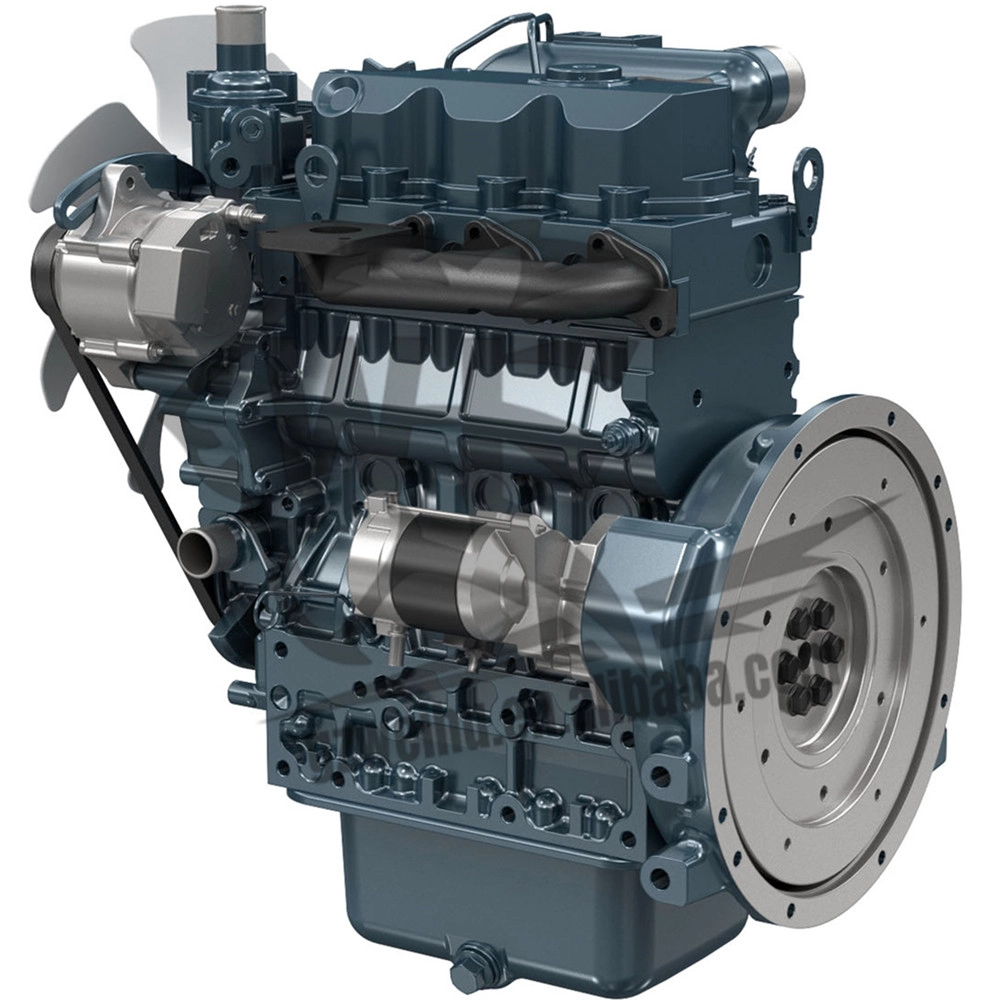
Isuzu D1703 Diesel Engine | High-Performance Engine Assembly for Heavy Machinery
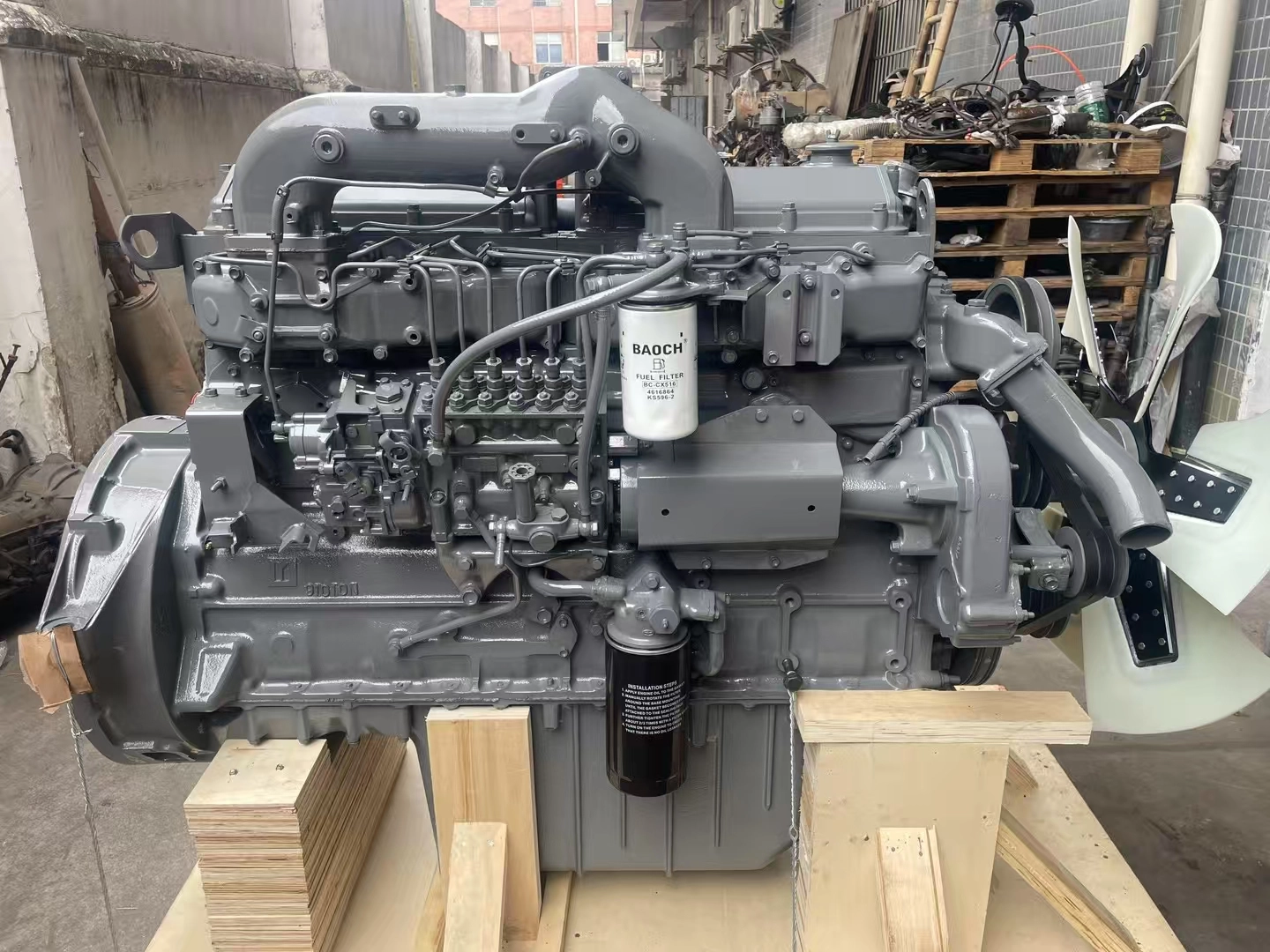
EX450-5 6RB1 Engine Assembly for Hitachi Excavator | Complete Replacement Engine
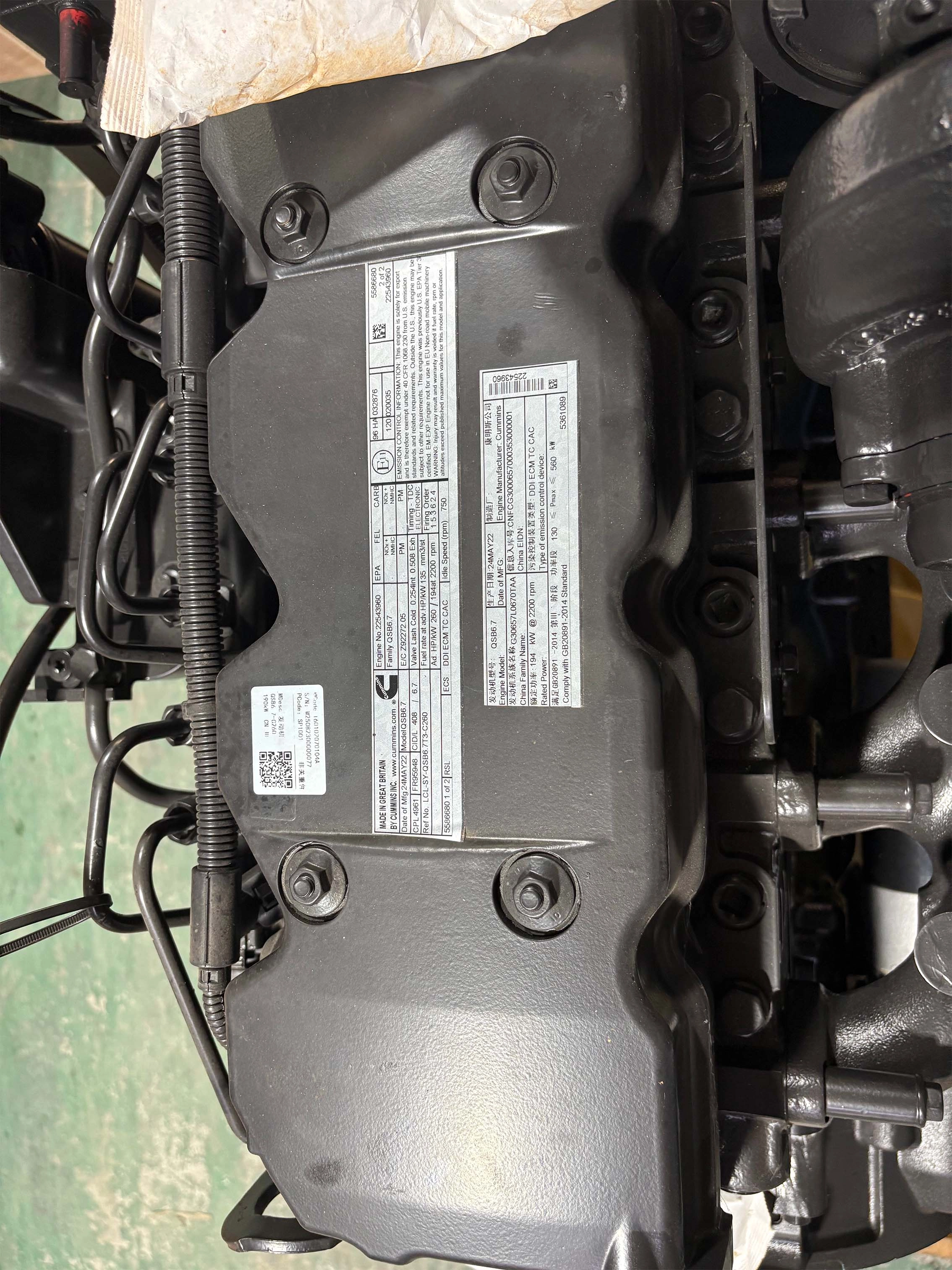
Cummins QSB6.7 Diesel Engine – High Power, Durable, Original Industrial Engine
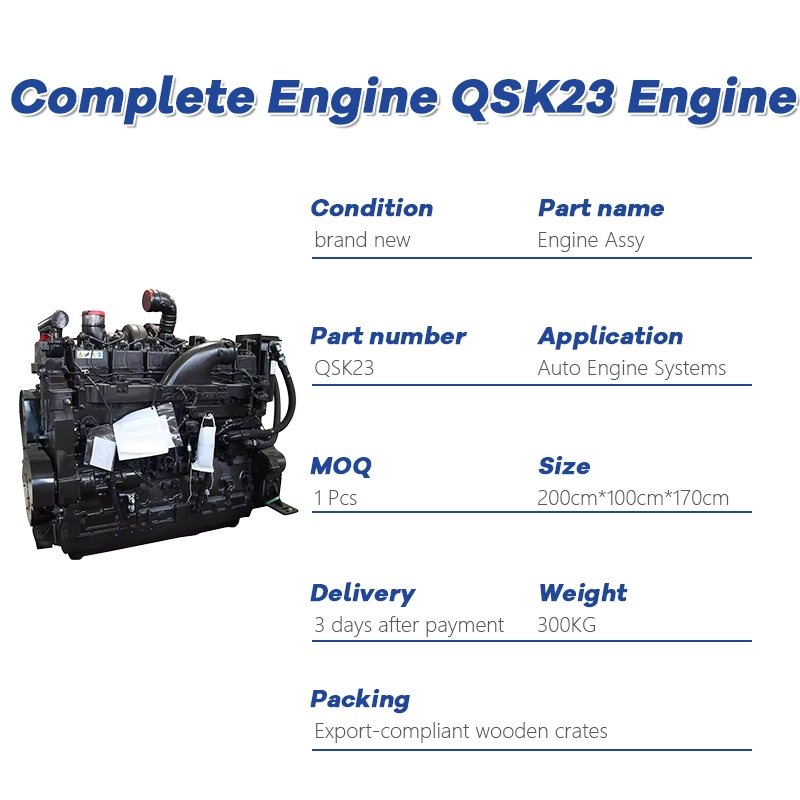
QSK23 Engine Assembly – Reliable Power Solution from Direct Supplier
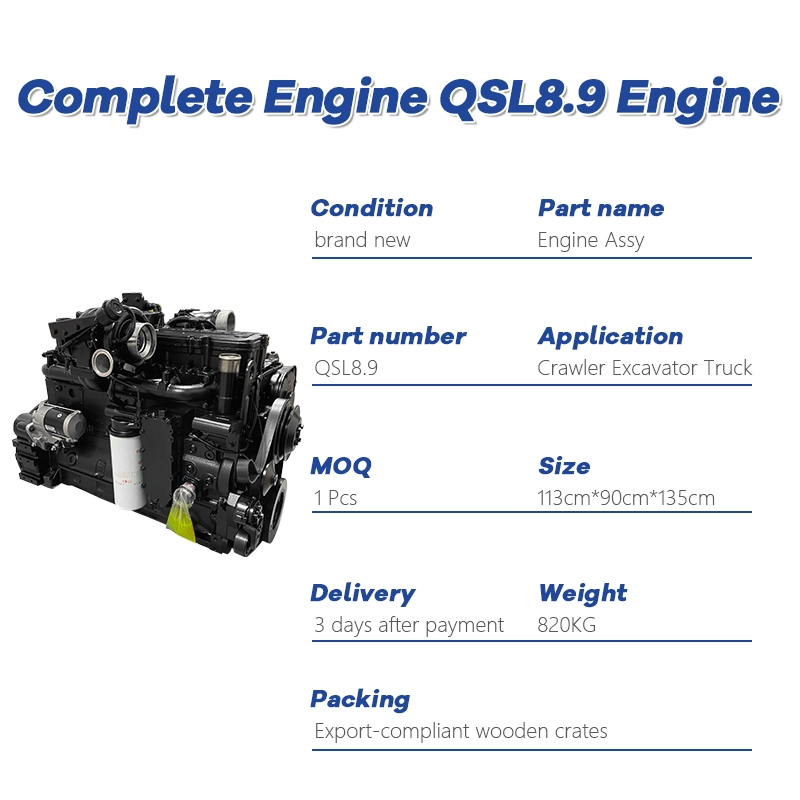
Cummins QSL8.9 Diesel Engine – High Power and Reliability for Heavy Equipment
Prdoucts Categories
FAQ
FAQ
How do I know which parts I need for my excavator?
If you are unsure which parts are needed, our knowledgeable customer support team can assist you. You can provide us with your excavator model and any relevant details, and we will help you identify the correct parts.
Do you provide warranties on your products?
Yes, we stand by the quality of our products. Most parts come with a warranty that covers manufacturing defects. Please refer to the specific warranty information provided with your purchase or contact our customer service team for details.
How can I place an order?
You can place an order through our user-friendly online platform or by contacting our sales team directly. Simply browse our catalog, select the parts you need, and follow the checkout process to complete your order.
Can I return or exchange parts if I change my mind?
Yes, we accept returns and exchanges within [insert return period, e.g., 30 days] of purchase. The items must be unused and in their original packaging. Please contact our customer service team to initiate a return or exchange.
What is your shipping policy?
We offer a variety of shipping options to meet your needs. Orders are typically processed within [insert processing time] days, and delivery times may vary based on your location. We will provide you with tracking information once your order has shipped.
You may also like
Cummins QSB6.7 Diesel Engine – High Power, Durable, Original Industrial Engine
QSB6.7 Engine – Product Description (Detailed English Version)
The Cummins QSB6.7 Diesel Engine is a high-performance 6.7-liter, 6-cylinder powerhouse designed for demanding industrial, construction, and agricultural applications. Built with advanced combustion technology and premium components, the QSB6.7 delivers outstanding power, fuel efficiency, durability, and low emissions—making it one of the most widely used engines in the global equipment market.
Cummins QSL8.9 Diesel Engine – High Power and Reliability for Heavy Equipment
Cummins QSL8.9 Diesel Engine – High Power, High Efficiency, High Reliability
🔧 Product Overview
The Cummins QSL8.9 engine is a powerful 8.9-liter, six-cylinder, turbocharged diesel engine designed for heavy-duty industrial and construction machinery.
With advanced high-pressure common rail fuel injection technology and electronic control systems, the QSL8.9 delivers outstanding performance, fuel efficiency, and durability, making it one of the most trusted engines in its class.
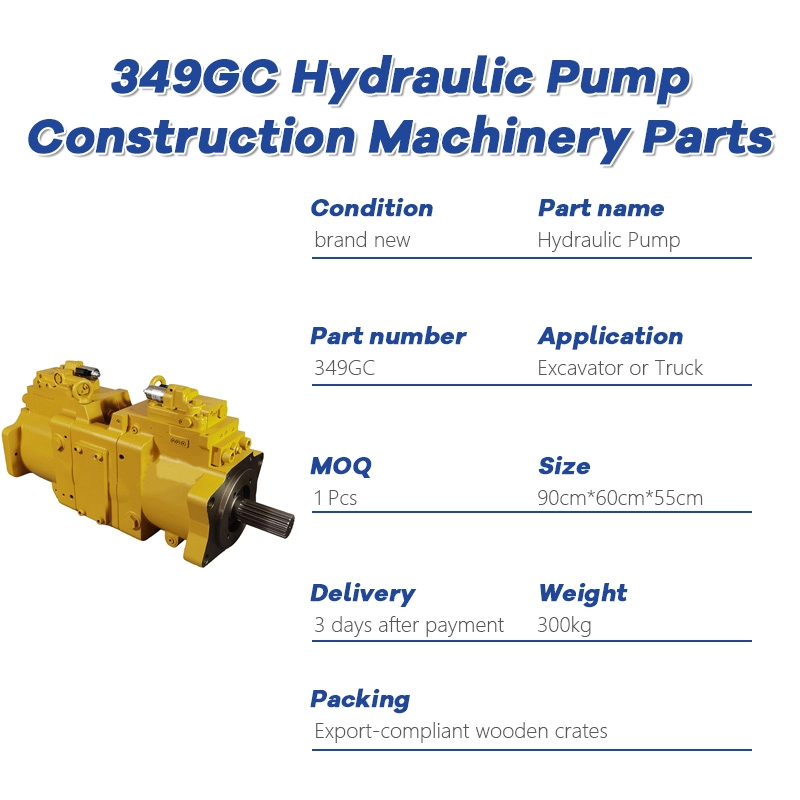
Hydraulic Pump for CAT 349GC | Reliable Performance, Fast Shipping
The CAT 349GC hydraulic pump is engineered to deliver efficient and reliable hydraulic power for Caterpillar 349GC excavators. Manufactured using premium materials and precision engineering, this pump is suitable for OEM replacement or high-quality aftermarket upgrades. It ensures smooth hydraulic flow, durability, and optimal performance even in the most demanding working conditions.
-
✔️ Direct fit for CAT 349GC excavators
-
✔️ OEM and aftermarket options available
-
✔️ High-pressure performance for heavy-duty applications
-
✔️ Manufactured with high-strength alloys and quality seals
-
✔️ Tested for reliability and longevity
-
✔️ Fast global shipping and responsive customer support
- 🚜 Order your CAT 349GC Hydraulic Pump now!
📞 Contact us for bulk pricing, customization, and technical support.
📦 Worldwide shipping available. OEM & aftermarket options.
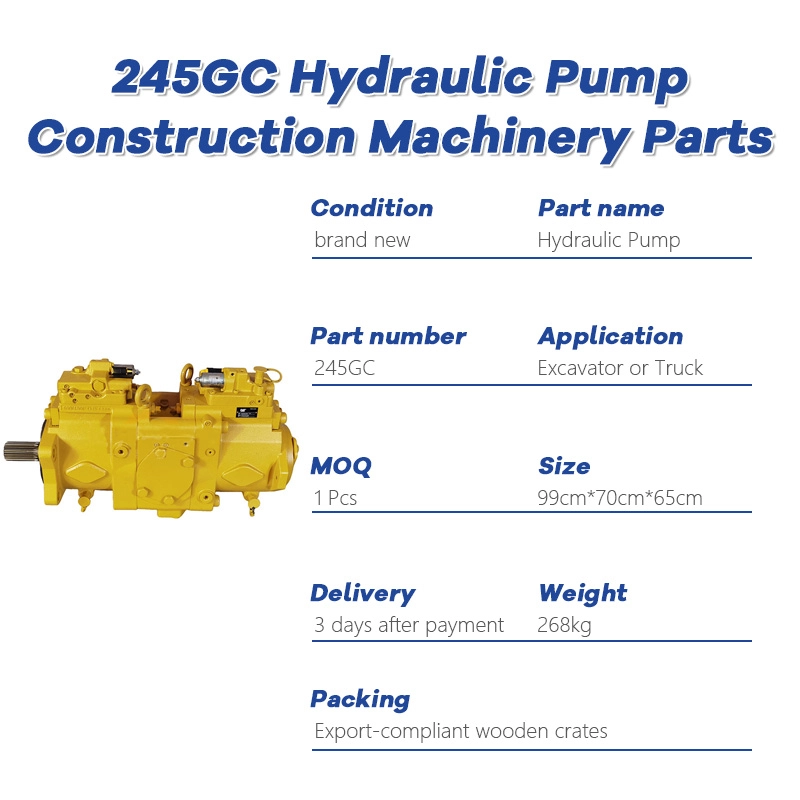
Caterpillar 345GC Hydraulic Pump | Heavy-Duty Excavator Part
The CAT 345GC hydraulic pump is engineered to deliver powerful and reliable hydraulic flow for Caterpillar 345GC excavators. Designed with high-quality materials and precision manufacturing, this pump is ideal for both OEM replacement and aftermarket upgrades. Built to endure demanding job sites, it ensures excellent performance, reduced downtime, and longer service life.
-
✔️ Direct-fit for CAT 345GC excavators
-
✔️ Available in OEM or high-quality aftermarket versions
-
✔️ Smooth, efficient hydraulic operation
-
✔️ Built with high-strength alloy and premium seals
-
✔️ Tested for pressure, flow, and durability
-
✔️ Fast shipping & global logistics supported
- 🚜 Order Now – Upgrade your CAT 345GC excavator with a high-performance hydraulic pump.
📞 Contact Us for bulk pricing, customization, or technical details.
📦 Worldwide Shipping | 🧰 OEM & Aftermarket Available | 💬 24/7 Customer Support -
Get in touch with us
If you have any comments or good suggestions, please leave us a message, later our professional staff will contact you as soon as possible.
To be a happy enterprise in the field of engineering equipment.
Weihuparts delivers efficient and reliable service at each stage to meet the customer's needs.