

jackhuang5919@gmail.com
Best Symptoms to Monitor for Hydraulic Pump Wear 2026
A practical, expert guide to the most reliable symptoms that indicate hydraulic pump wear, how to monitor them, diagnostic checks, and corrective actions for excavator and industrial systems. Includes symptom comparison tables, inspection checklists, data-backed causes, and how Weihuparts supports maintenance and parts replacement.
- How to Detect Early Wear in Hydraulic Pumps — Key Signals
- 1. Unusual Noise and Vibration — Monitor for cavitation and mechanical wear (hydraulic pump)
- 2. Loss of Flow or Pressure — Performance degradation monitoring (hydraulic pump)
- 3. Elevated Operating Temperature — Thermal signs of inefficiency (hydraulic pump & excavator spare parts)
- 4. Increased Contamination Levels — Particle counts and fluid degradation (hydraulic pump, excavator spare parts)
- Symptom Comparison Table — Cause, How to Detect, Urgency
- 5. Increased Wear Debris & Metal Particles — Wear-mode identification (hydraulic pump)
- 6. Seal Leaks, External Oil Loss — Visual and safety indicators (hydraulic pump & excavator spare parts)
- 7. Erratic Control Behavior — Valve and pump interaction diagnostics (hydraulic pump)
- Practical Inspection & Monitoring Checklist (for fleet managers and maintenance)
- Cost-Benefit: Repair vs Replace Decision Matrix (hydraulic pump, excavator spare parts)
- Integration with Parts Supply — Sourcing replacement hydraulic pump and excavator spare parts
- How Weihuparts Supports Pump Maintenance and Replacement
- Weihuparts Competitive Advantages & Main Products (hydraulic pump, engine assembly, excavator engine)
- Best Practices to Extend Hydraulic Pump Life (field-proven)
- Frequently Asked Questions (FAQ)
- Q1: What is the single most common early symptom of hydraulic pump wear?
- Q2: How often should I sample hydraulic fluid to catch wear early?
- Q3: Can contamination alone cause hydraulic pump failure?
- Q4: When is it better to replace a pump rather than rebuild it?
- Q5: What measurement tools provide the best early warning?
- Q6: How do I verify a replacement hydraulic pump is correct for my excavator?
- Contact & Product Access — Get parts and technical support
- References
How to Detect Early Wear in Hydraulic Pumps — Key Signals
Hydraulic pump wear is a top cause of downtime and costly repairs across construction, mining, and industrial applications. For technicians, fleet managers, and procurement specialists searching for a reliable strategy to reduce failures, monitoring the right symptoms early is critical. This guide explains the best symptoms to track in 2026, why each symptom matters for hydraulic pump health, practical measurement methods, and recommended corrective actions. The focus is on actionable diagnostics for hydraulic pump, excavator spare parts, and replacement planning.
1. Unusual Noise and Vibration — Monitor for cavitation and mechanical wear (hydraulic pump)
What to listen for: high-pitched whining, knocking, or rhythmic ‘clicks’. Noise is often the first perceptible sign of hydraulic pump stress. Cavitation (vapor bubbles collapsing inside the pump) and internal mechanical contact from worn gears/vanes/shafts produce distinctive sounds.
How to monitor: Use a vibration meter and ultrasound detector during steady-state operation and loaded cycles. Record sound spectra and compare to baseline. A rise in broadband vibration or discrete frequency peaks typically indicates progressive wear or cavitation.
Diagnostic actions: Check suction line restrictions, hydraulic fluid level & temperature, and suction strainer. Replace or repair worn pump elements and address fluid contamination sources.
2. Loss of Flow or Pressure — Performance degradation monitoring (hydraulic pump)
Symptom: reduced flow rate, slow actuator speeds, or failure to hold pressure under load. This indicates internal leakage (clearances), worn vanes/gears, or damaged seals.
How to measure: Install inline flowmeters and pressure transducers at inlet/outlet. Compare measured flow/pressure against pump nameplate specifications and model curves. Monitor for gradual decline or sudden drops during load application.
When to replace: If measured volumetric efficiency drops beyond 10–20% vs. new-state specification and corrective measures (filter, fluid, valve setting) don't restore performance, plan pump overhaul or replacement.
3. Elevated Operating Temperature — Thermal signs of inefficiency (hydraulic pump & excavator spare parts)
Why it matters: Increased heat is both a symptom and an accelerator of wear. Heat reduces fluid viscosity, accelerates oxidation and varnish, and damages seals and clearances.
Monitoring approach: Fit thermocouples or IR sensors on pump housing and hydraulic reservoir. Track temperature trends under similar duty cycles. Thermal spikes during repeated cycles point to internal inefficiencies.
Actions: Improve cooling, check for excessive bypassing or relief valve chatter, and confirm proper fluid grade for ambient conditions. If temperatures remain high after corrective steps, inspect the pump for internal wear or a failing internal clutching element.
4. Increased Contamination Levels — Particle counts and fluid degradation (hydraulic pump, excavator spare parts)
Symptom: higher ISO 4406 particle counts, dark/odorous fluid, or frequent filter clogging. Contamination (solid particles, water, varnish) is widely reported as a leading root cause of hydraulic pump wear.
How to monitor: Periodic fluid sampling and ISO 4406 particle count testing, water content by Karl Fischer or sensor, and portable ferrography for wear metals. Schedule sampling every 250–500 operating hours for heavy equipment.
Preventive steps: Improve filtration (beta-rated filters), install desiccant breathers, and review contamination ingress points (open reservoirs, torn seals). Replace or overhaul pumps exposed to prolonged contamination.
Symptom Comparison Table — Cause, How to Detect, Urgency
| Symptom | Common Causes | How to Detect | Recommended Urgency |
|---|---|---|---|
| Unusual noise/vibration | Cavitation, bearing failure, gear/vane wear | Ultrasound, vibration analyzer, operator reports | High — inspect within 24–72 hours |
| Loss of flow/pressure | Internal leakage, worn clearances, relief valve faults | Flowmeter, pressure transducer, load test | High — immediate load testing and backup planning |
| Elevated temperature | Poor cooling, high internal friction, fluid breakdown | Thermocouple/IR, reservoir temp logs | Medium–High — investigate within 1 week |
| Contaminated fluid | Ingress, wear debris, moisture | ISO particle count, water test, filter analysis | Medium — improve filtration and sample frequency |
| Intermittent or sticky operation | Valve sticking, varnish, partial seizure | Functional cycle testing, pressure spikes, actuator response | Medium — clean system and inspect valves/pump |
5. Increased Wear Debris & Metal Particles — Wear-mode identification (hydraulic pump)
What it shows: Ferrous and non-ferrous particles indicate different wear mechanisms: bearings and gears (ferrous), shaft misalignment (mixed), or corrosion (brownish particles).
How to act: Use magnetic plug inspection and particle quantification (ferrography or lab analysis). Track trends: an upward slope in particle count is a clear signal for proactive intervention. If composition indicates bearing or gear wear, schedule pump replacement or rebuild.
6. Seal Leaks, External Oil Loss — Visual and safety indicators (hydraulic pump & excavator spare parts)
Symptoms: visible oil leaks at pump flanges, shaft seals, or ports. Leaks lower system pressure and introduce contamination and safety hazards.
Checkpoints: Visual inspections during routine walk-arounds, use of dye tracers for hard-to-find leaks, and torque checks on flange fasteners. Consider OEM or aftermarket seal kits matched to your pump model.
7. Erratic Control Behavior — Valve and pump interaction diagnostics (hydraulic pump)
Symptom: actuators overshoot, drift, or show inconsistent speeds. This can be caused by internal pump flow pulsation, relief valve chatter, or contaminated control orifices.
Troubleshooting: Isolate pump from valve section if possible to determine origin. Use pressure logging through cycles to identify pulsation frequencies and correlate with pump RPM for mechanical diagnosis.
Practical Inspection & Monitoring Checklist (for fleet managers and maintenance)
- Daily: Visual leak check and reservoir level, listen for unusual noises during operation.
- Every 250–500 hours: Fluid sampling (ISO 4406 particle count), filter differential pressure log, vibration measurement.
- Every 1000 hours or annually: Complete pump performance test (flow & pressure curve), inspect couplings and mountings, verify cooling system integrity.
- After any shock event: Immediate inspection for misalignment, cracked housings, and contamination ingress.
Cost-Benefit: Repair vs Replace Decision Matrix (hydraulic pump, excavator spare parts)
When deciding between repairing a worn pump or replacing it, consider downtime costs, remaining life expectancy, and performance gap. The matrix below gives a simplified decision framework.
| Condition | Likely Action | Notes |
|---|---|---|
| Minor wear, under warranty | Repair/replace parts | Cost-effective; preserves OEM tolerances |
| Moderate wear, performance loss 10–25% | Overhaul or remanufacture | Balance cost vs. expected life after rebuild |
| Severe wear, repeated failures | Replace with new or high-quality reman | Often best for long-term reliability and warranty |
Integration with Parts Supply — Sourcing replacement hydraulic pump and excavator spare parts
Fast access to high-quality replacement hydraulic pumps and related excavator spare parts is essential to minimize downtime. When sourcing, verify part numbers, material specs, and testing standards. For enterprises procuring spares, prioritize suppliers that provide technical documentation, test certificates, and clear warranty terms.
How Weihuparts Supports Pump Maintenance and Replacement
Weihuparts serves as a reliable partner for global clients in the excavator spare parts sector. We provide a comprehensive selection of excavator parts designed to support a variety of operational needs, whether for routine tasks or high-performance excavator systems.
With a focus on quality, cost-effectiveness, and timely delivery, Weihuparts is dedicated to supporting businesses by ensuring the availability of essential parts to keep machinery running smoothly. Weihuparts places a strong emphasis on innovative R&D, continually advancing the design and performance of excavator parts. With a dedicated team of engineers and technicians, the company focuses on developing high-quality, durable, and efficient components that meet the latest industry standards.
Our vision is to be a leading excavator parts manufacturer and a pioneer in transforming the excavator industry through quality, sustainability, and innovation. We aspire to set a global standard for service and reliability in the excavator parts market, creating lasting partnerships and ensuring that our solutions contribute to the success of every project we serve.
Weihuparts Competitive Advantages & Main Products (hydraulic pump, engine assembly, excavator engine)
- Quality & Testing: Weihuparts performs dimensional checks, material verification, and run-in testing on hydraulic pump units to ensure reliable performance under heavy duty cycles.
- R&D & Customization: Engineering team support for matching pump specifications to OEM or custom applications, optimizing flow and pressure curves to reduce wear.
- Cost & Delivery: Competitive pricing models for OEM-equivalent and upgrade components with established logistics for global delivery to minimize lead time.
- Key Products: Hydraulic pump assemblies, engine assembly kits, and complete excavator engines — all engineered to meet or exceed common OEM specifications.
For maintenance teams, Weihuparts can supply replacement hydraulic pump modules, seals, shaft assemblies, and complete engine solutions to support both scheduled maintenance and emergency repairs.
Best Practices to Extend Hydraulic Pump Life (field-proven)
- Fluid Management: Use the correct viscosity and anti-wear hydraulic fluids, and establish regular sampling & filtration programs (ISO 4406 target levels per OEM).
- Filtration & Breathability: Fit high-efficiency filters and desiccant breathers; monitor filter delta-P to avoid by-pass contamination.
- Proper Installation: Align couplings, torque fasteners to spec, and use correct gaskets/sealants to prevent leaks and misalignment-induced wear.
- Condition-Based Maintenance: Move from time-based to condition-based interventions using vibration, thermal, and fluid analytics.
- Operator Training: Train operators to recognize early symptoms (noise, slow actuation, leakage) and reduce abusive operating conditions like rapid cycling while cold.
Frequently Asked Questions (FAQ)
Q1: What is the single most common early symptom of hydraulic pump wear?
A1: Unusual noise (whine, knock) combined with a small but measurable increase in vibration is often the earliest and most reliable symptom. It usually precedes major performance loss and can be detected with ultrasound or vibration analysis.
Q2: How often should I sample hydraulic fluid to catch wear early?
A2: For heavy equipment like excavators, sample every 250–500 operating hours under typical duty. Increase frequency if operating in dirty or wet conditions. Trend results rather than single readings.
Q3: Can contamination alone cause hydraulic pump failure?
A3: Yes. Contamination (solid particles and water) is a primary cause of internal wear and accounts for the majority of hydraulic component failures in industry studies. Maintaining proper filtration and reservoir hygiene is critical.
Q4: When is it better to replace a pump rather than rebuild it?
A4: Replace when wear has caused significant volumetric loss (>20%), reuse life expectancy is short, or repeated rebuilds fail. Also consider replacement when downtime risk outweighs the cost benefit of rebuild.
Q5: What measurement tools provide the best early warning?
A5: A combination of ultrasound for early cavitation/noise detection, vibration analysis for mechanical wear, inline flowmeters/pressure transducers for performance loss, and regular fluid particle counts offers the best early-warning capability.
Q6: How do I verify a replacement hydraulic pump is correct for my excavator?
A6: Verify OEM part numbers, pump displacement (cc/rev), mounting flange/shaft type, operating pressure rating, and flow curves. Request manufacturer test certificates and performance curves where possible.
Contact & Product Access — Get parts and technical support
If you need help diagnosing hydraulic pump symptoms or sourcing reliable replacement hydraulic pump, engine assembly, or excavator engine parts, contact Weihuparts for technical support and product availability. Visit our product catalog or request a consultation to match the correct spares and reduce downtime.
References
- Industry advisory on hydraulic pump failure modes — Machinery Lubrication (Noria). Link: https://www.machinerylubrication.com/Read/287/hydraulic-pump-failure (Accessed: 2025-11-20)
- Hydraulic Pump Troubleshooting Guide — Parker Hannifin. Link: https://www.parker.com (technical resources) (Accessed: 2025-10-15)
- Hydraulic system filtration and contamination control — Hydraulics & Pneumatics. Link: https://www.hydraulicspneumatics.com (Accessed: 2025-09-30)
- ISO 4406:2017 — Hydraulic fluid contamination coding. Link: https://www.iso.org/standard/55960. (Accessed: 2025-10-05)
- Caterpillar maintenance best practices — Cat Maintenance & Repair. Link: https://www.cat.com/en_US/support/maintenance. (Accessed: 2025-08-12)
Tags
Excavator Engine D722 Replacement
Excavator Engine D722 Replacement
QSK23 Engine Parts for Excavators
QSK23 Engine Parts for Excavators
3066 engine used for sale
3066 engine used for sale
hydraulic pump for sale
hydraulic pump for sale
kubota v2403 engine specs
kubota v2403 engine specs
K3V112DT excavator hydraulic pump
K3V112DT excavator hydraulic pump
Recommended for you
How Hydraulic Pump Efficiency Impacts Excavator Performance 2026
How to Choose the Right Excavator Hydraulic Pump
Hydraulic Pump Failure Mode Analysis for Excavator Parts 2026

Genuine Parts and Support: Benefits of Hitachi Original Engines
Prdoucts Categories
Question you may concern
FAQ
How do I know which parts I need for my excavator?
If you are unsure which parts are needed, our knowledgeable customer support team can assist you. You can provide us with your excavator model and any relevant details, and we will help you identify the correct parts.
Do you provide warranties on your products?
Yes, we stand by the quality of our products. Most parts come with a warranty that covers manufacturing defects. Please refer to the specific warranty information provided with your purchase or contact our customer service team for details.
Do you provide installation services for your parts?
While we do not offer installation services directly, we can recommend qualified professionals or resources to assist you with the installation of our parts. Our customer support team can provide guidance on finding local service providers.
What types of excavator parts do you offer?
Weihuparts provides a comprehensive range of excavator parts, including but not limited to buckets, hydraulic components, undercarriage parts, and engine components. Our goal is to be your one-stop solution for all excavator needs.
Do you offer bulk purchasing options?
Yes, we offer competitive pricing for bulk orders. If you are interested in purchasing large quantities of parts, please contact our sales team to discuss your requirements and receive a customized quote.
You may also like
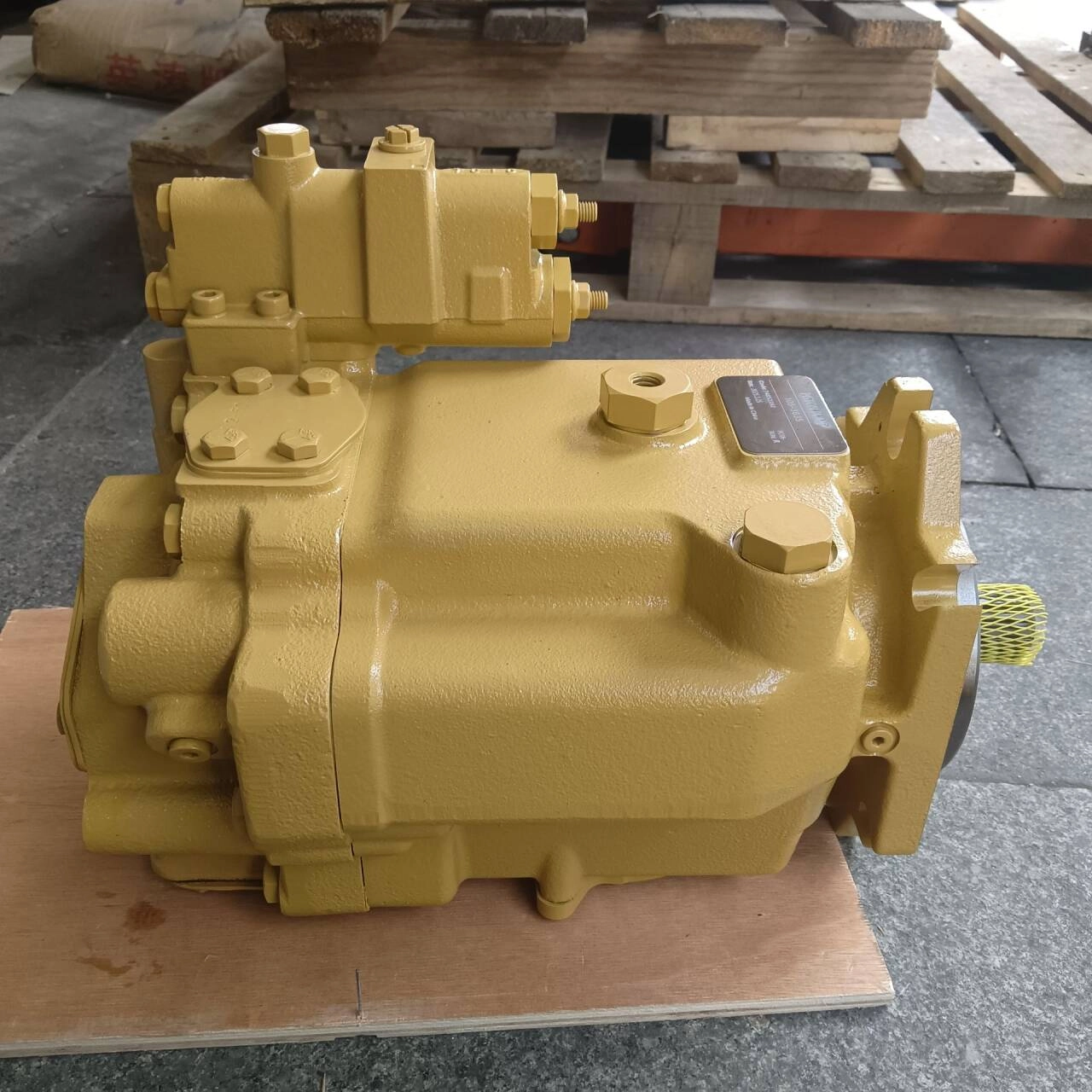
CAT 980H Hydraulic Pump | Heavy-Duty Loader Replacement Part
The CAT 980H and 980G hydraulic pumps are engineered to provide optimal hydraulic power and durability for Caterpillar loaders. Built with premium materials and precision manufacturing, these pumps are ideal for OEM replacements and high-quality aftermarket upgrades. They ensure smooth hydraulic operation and reliable performance in demanding construction environments.
-
✔️ Direct fit for CAT 980H and 980G loaders
-
✔️ Available in OEM and aftermarket versions
-
✔️ High-pressure, heavy-duty hydraulic performance
-
✔️ Manufactured with high-strength alloys and quality seals
-
✔️ Tested for durability and efficiency
-
✔️ Fast global shipping and excellent customer support
- 🛒 Order your CAT 980H & 980G Hydraulic Pump now!
📞 Contact us for bulk orders, technical support, or custom requests.
📦 Fast worldwide shipping | OEM & aftermarket options available -
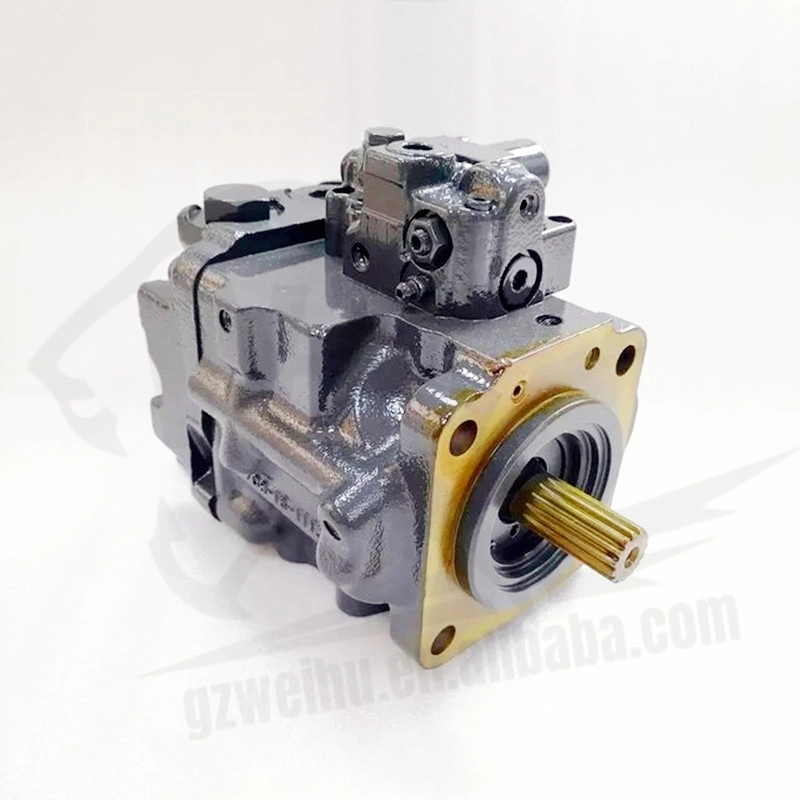
Doosan DX65 Excavator Hydraulic Pump | High-Performance Main Pump
The DX65 hydraulic pump is designed for Doosan DX65 mini excavators, delivering reliable and consistent hydraulic power for smooth machine operation. Whether you're replacing a worn pump or upgrading for enhanced performance, our OEM and aftermarket DX65 pumps offer durability, compatibility, and affordability. Each pump is manufactured using high-quality materials and precision engineering, ensuring long service life and reduced downtime.
-
✔️ 100% fit for Doosan DX65 excavators
-
✔️ Axial piston pump – compact and powerful
-
✔️ OEM & high-quality aftermarket versions available
-
✔️ Tested for pressure, performance & fluid consistency
-
✔️ Precision-sealed with robust alloy components
-
✔️ Global shipping with safe wooden packaging
- 🚜 Order Your Doosan DX65 Hydraulic Pump Today – Performance You Can Trust
📞 Contact Us for stock availability, bulk pricing, or compatibility check
🌍 Fast Global Shipping | OEM & Aftermarket | Secure Payment Options -
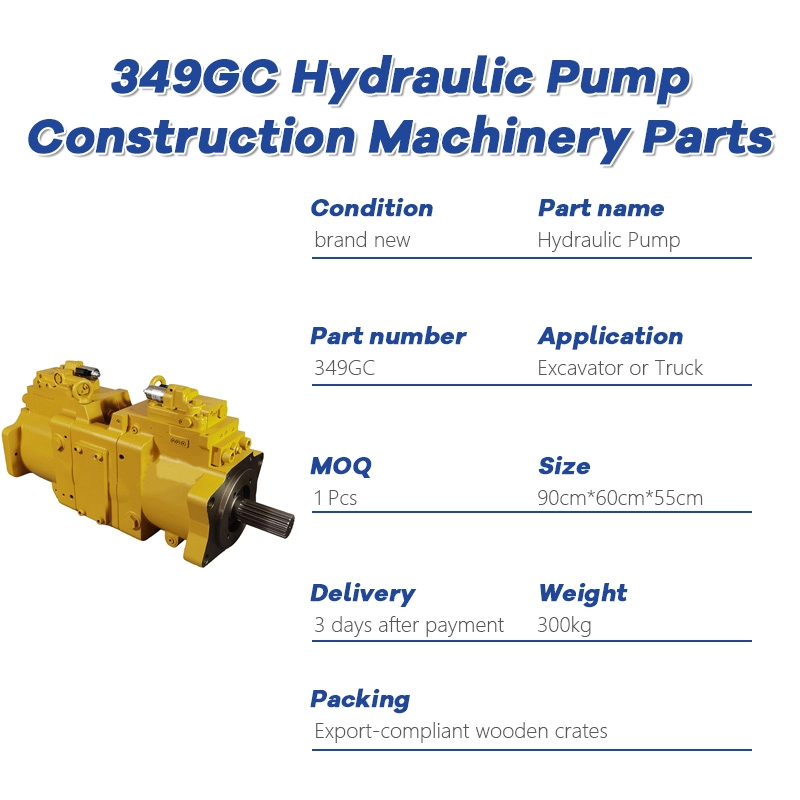
Hydraulic Pump for CAT 349GC | Reliable Performance, Fast Shipping
The CAT 349GC hydraulic pump is engineered to deliver efficient and reliable hydraulic power for Caterpillar 349GC excavators. Manufactured using premium materials and precision engineering, this pump is suitable for OEM replacement or high-quality aftermarket upgrades. It ensures smooth hydraulic flow, durability, and optimal performance even in the most demanding working conditions.
-
✔️ Direct fit for CAT 349GC excavators
-
✔️ OEM and aftermarket options available
-
✔️ High-pressure performance for heavy-duty applications
-
✔️ Manufactured with high-strength alloys and quality seals
-
✔️ Tested for reliability and longevity
-
✔️ Fast global shipping and responsive customer support
- 🚜 Order your CAT 349GC Hydraulic Pump now!
📞 Contact us for bulk pricing, customization, and technical support.
📦 Worldwide shipping available. OEM & aftermarket options.
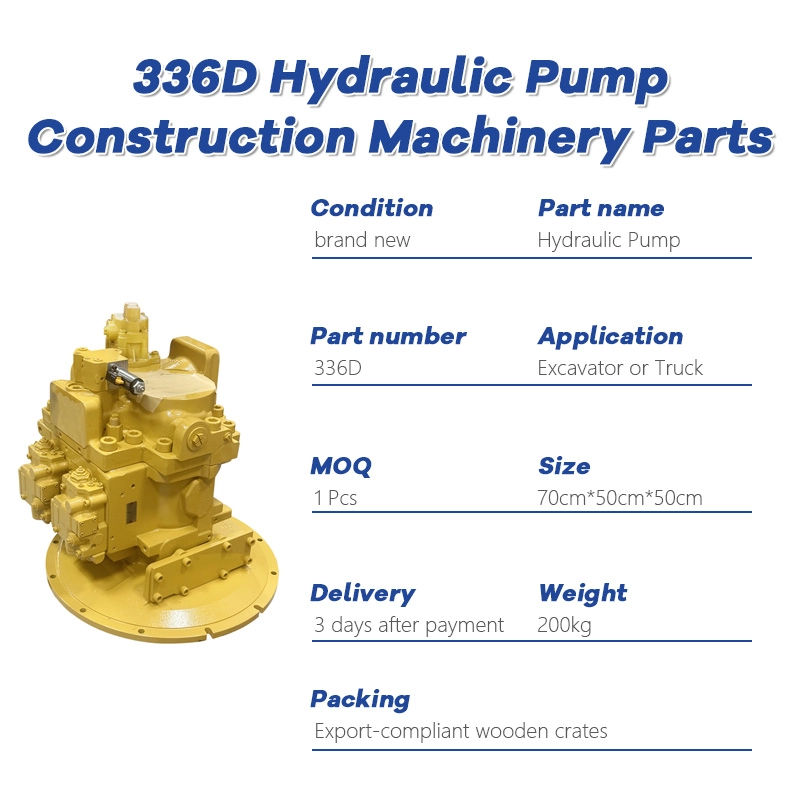
336D Excavator Hydraulic Pump | Heavy Duty CAT Replacement
This CAT 336D hydraulic pump is built for power, durability, and optimal performance. It is designed to fit Caterpillar 336D excavators and is available in both OEM and high-quality aftermarket versions. Whether you're replacing a damaged pump or upgrading your hydraulic system, this part ensures long-lasting and reliable operation in demanding construction environments.
-
✔️ Direct fit for CAT 336D excavators
-
✔️ Available in OEM or premium aftermarket
-
✔️ High-pressure performance for heavy-duty operations
-
✔️ Smooth and efficient hydraulic flow
-
✔️ Rigorously tested for quality and durability
-
✔️ Global shipping and responsive support
-
Get in touch with us
If you have any comments or good suggestions, please leave us a message, later our professional staff will contact you as soon as possible.
To be a happy enterprise in the field of engineering equipment.
Weihuparts delivers efficient and reliable service at each stage to meet the customer's needs.