

jackhuang5919@gmail.com
Hydraulic Pump Contamination Prevention for Excavator Systems 2026
Comprehensive guide to preventing hydraulic pump contamination in excavator systems. Covers contamination sources, monitoring, filtration strategies, maintenance procedures, commissioning best practices, and cost-benefit analysis — plus practical product and service support from Weihuparts.
- Preventing Hydraulic Pump Failure Starts with Contamination Control
- Why hydraulic pump contamination matters for excavator systems
- Common sources and mechanisms of contamination in excavator hydraulic systems (hydraulic pump focus)
- Typical contamination sources and how they impact hydraulic pumps
- Detecting contamination early: monitoring and diagnostics
- Methods to monitor contamination with keywords: hydraulic pump diagnostics, particle counter
- Filtration strategy and filter selection for excavator hydraulic pumps
- Choosing filters that protect hydraulic pumps and valves
- Filter selection quick-reference table
- Practical contamination control procedures during service and commissioning
- Step-by-step contamination control checklist for hydraulic pump safety
- Water and varnish control: beyond particle filtration (hydraulic pump reliability)
- Mitigating water and oxidation risks
- Cost-benefit: why spend on contamination control for hydraulic pumps?
- Quantifying the ROI of contamination prevention
- Integrating contamination control into procurement and parts strategy (: excavator spare parts, hydraulic pump)
- Specifying parts and services to reduce contamination risk
- How Weihuparts supports hydraulic pump contamination prevention for excavator systems
- Weihuparts — a reliable partner for excavator spare parts and contamination-aware supply
- Weihuparts advantages and core products: hydraulic pump, engine assembly, excavator engine
- Best-practice maintenance schedule to protect hydraulic pumps
- Routine tasks and inspection intervals
- Common mistakes and pitfalls to avoid when protecting hydraulic pumps
- Errors that commonly lead to contamination-related failures
- FAQ — Common questions on hydraulic pump contamination prevention
- 1. What ISO cleanliness level should I aim for in an excavator hydraulic system?
- 2. How often should I change hydraulic filters to protect my pump?
- 3. Can off-line filtration really extend hydraulic pump life?
- 4. What is the fastest way to remove water from an excavator hydraulic system?
- 5. How do I avoid contamination when installing a replacement hydraulic pump?
- 6. Is particle counting enough to monitor contamination?
- Contact for parts, technical support, and contamination-control solutions
- References
Preventing Hydraulic Pump Failure Starts with Contamination Control
Why hydraulic pump contamination matters for excavator systems
Hydraulic pumps are the heart of modern excavators. Contamination — particulate, water, or chemical degradation — is a primary cause of pump wear, valve malfunction, and unplanned downtime. For fleet managers, service technicians, and procurement teams, understanding contamination mechanisms and practical prevention tactics reduces life-cycle costs, improves uptime, and protects critical components like hydraulic pumps, control valves, and servo systems.
Common sources and mechanisms of contamination in excavator hydraulic systems (hydraulic pump focus)
Typical contamination sources and how they impact hydraulic pumps
Excavator hydraulic systems face contamination from multiple vectors. Identifying these accurately is the first step toward prevention:
- External ingress: Loose fill during refill, open breathers, and dusty working environments introduce abrasive particles.
- Internal generation: Normal wear of components (pumps, pistons, gears), additive breakdown, and varnish formation generate fines and sticky residues.
- Water contamination: Condensation, poor storage of reservoirs, and leaks introduce free or emulsified water that accelerates corrosion and reduces lubricity.
- Chemical contamination: Mixing incompatible oils or fuel/oil contamination degrades additive packages and increases acidity.
Consequences for hydraulic pumps include increased wear rates (abrasion of pistons, swash plates, and bearings), loss of volumetric efficiency, cavitation risk, and premature seal/shaft failure.
Detecting contamination early: monitoring and diagnostics
Methods to monitor contamination with keywords: hydraulic pump diagnostics, particle counter
Early detection saves repair costs. Practical monitoring tools and practices include:
- Oil analysis: Routine oil sampling and lab testing (particle counts, viscosity, acid number, water content, metals) provides trend data for proactive service.
- On-site particle counters: Portable counters give immediate ISO 4406 cleanliness codes and particle-size distributions.
- Visual and functional checks: Filter differential pressure gauges, temperature trends, and unusual noise or vibration patterns in the hydraulic pump.
- Wear metal analysis: Spectrometric analysis detects early metal release from pump wear (iron, copper, aluminum).
Recommended sampling frequency depends on duty cycle: weekly for high-hour machines, monthly for moderate use, and at every oil change for low-use assets.
Filtration strategy and filter selection for excavator hydraulic pumps
Choosing filters that protect hydraulic pumps and valves
A multi-layer filtration strategy minimizes both particle-induced wear and fluid-condition issues. Typical filtration locations and roles:
- Suction filters: Protect pumps by removing large particles and preventing pump cavitation due to clogged strainers.
- Pressure filters: Primary protection for components downstream of the pump; should be rated and tested for beta ratios at relevant micron sizes.
- Return-line filters: Capture contaminants before they re-enter the reservoir; often the last line of defense.
- Off-line (kidney loop) filters: Continuous polishing that reduces particle counts and removes water/air over time without restricting system flow.
- Breathers and reservoir filtration: Prevent external ingress and remove micro-particles and moisture.
Filter selection quick-reference table
| Filter Type | Typical Micron Rating | Main Purpose | When to use |
|---|---|---|---|
| Suction | 50–120 μm | Protect pump from large debris, prevent cavitation | All excavators, especially after repairs or reservoir work |
| Pressure | 10–25 μm (absolute) | Protect precision components downstream | High-pressure systems, new or rebuilt pumps |
| Return | 10–25 μm | General contamination control before fluid returns | Standard fitment for robust protection |
| Off-line (kidney loop) | 3–10 μm | Continuous polishing and water removal | Critical fleets, fluid reclamation, long-term cleanliness |
| Breather/dessicant | 0.5–5 μm (coalescing/desiccant) | Prevent moisture and particle ingress | Environments with temperature swings or dusty sites |
Practical contamination control procedures during service and commissioning
Step-by-step contamination control checklist for hydraulic pump safety
Implement a contamination-control protocol that technicians can follow during maintenance, repairs, and installation:
- Clean work area: set up portable mats and use clean, lint-free covers for lines and pump ports.
- Use pre-filled, sealed reservoirs and new filters when possible. If topping off, use dedicated transfer containers and filtration carts.
- Before opening circuits, de-pressurize and wipe down connection surfaces with solvent and clean wipes; cap lines immediately after disconnection.
- When fitting new pumps, flush new parts with clean fluid through a bypass or filtration loop to remove machining debris and packing residues.
- Fill reservoirs with appropriately filtered oil and run off-line filtration during initial system break-in for 24–72 hours.
- Record baseline oil analysis and particle counts after commissioning to establish a trend line.
Water and varnish control: beyond particle filtration (hydraulic pump reliability)
Mitigating water and oxidation risks
Water accelerates corrosion and additive depletion; varnish causes valve sticking and control problems. Control measures include:
- Desiccant breathers: Prevent moisture ingress into reservoirs.
- Vacuum dehydration/centrifugal dewatering: Remove free and emulsified water effectively.
- Improved fluids: Use hydraulic fluids with high oxidation stability and anti-wear additives recommended by the pump or excavator OEM.
- Regular flushing and chemical treatments: For varnish-prone systems, controlled solvent flushing and varnish mitigation treatments help restore component operation.
Cost-benefit: why spend on contamination control for hydraulic pumps?
Quantifying the ROI of contamination prevention
Studies and industry reports consistently show that improving fluid cleanliness and filtration reduces repair costs and extends component life. Typical benefits include:
- Reduction in unplanned downtime and associated labor and rental costs.
- Extended seal and pump life — often doubling component life when cleanliness targets are met.
- Lower oil consumption and waste disposal costs due to longer fluid life.
For fleet-scale operations, investment in off-line filtration units and training typically pays back within 6–18 months depending on duty cycle and equipment value.
Integrating contamination control into procurement and parts strategy (: excavator spare parts, hydraulic pump)
Specifying parts and services to reduce contamination risk
When specifying replacement hydraulic pumps and related parts, include contamination-control requirements in purchase orders:
- Request pumps delivered with protective caps and packaging designed to keep ports clean.
- Require filters and hoses to meet defined micron and beta-ratio specifications.
- Ask suppliers for cleanliness certificates or pre-ship particle counts where possible.
- Prefer suppliers who offer technical support for commissioning, filtration solutions, and R&D-driven component improvements.
How Weihuparts supports hydraulic pump contamination prevention for excavator systems
Weihuparts — a reliable partner for excavator spare parts and contamination-aware supply
Weihuparts serves as a reliable partner for global clients in the excavator spare parts sector. We provide a comprehensive selection of excavator parts designed to support a variety of operational needs, whether for routine tasks or high-performance excavator systems.
With a focus on quality, cost-effectiveness, and timely delivery, Weihuparts is dedicated to supporting businesses by ensuring the availability of essential parts to keep machinery running smoothly. Weihuparts places a strong emphasis on innovative R&D, continually advancing the design and performance of excavator parts. With a dedicated team of engineers and technicians, the company focuses on developing high-quality, durable, and efficient components that meet the latest industry standards.
Our vision is to be a leading excavator parts manufacturer and a pioneer in transforming the excavator industry through quality, sustainability, and innovation. We aspire to set a global standard for service and reliability in the excavator parts market, creating lasting partnerships and ensuring that our solutions contribute to the success of every project we serve.
Weihuparts advantages and core products: hydraulic pump, engine assembly, excavator engine
Weihuparts combines manufacturing competence with contamination-aware logistics. Key advantages include:
- Quality assurance: Strict packaging and port-capping practices reduce ingress risk during transport.
- Technical support: Commissioning and contamination-control guidance are available for hydraulic pump installations.
- R&D and materials expertise: Continuous improvement in component durability and filtration compatibility.
- Global delivery: Timely parts availability and aftersales support for fleet maintenance.
Main products supporting excavator hydraulic systems: hydraulic pump, engine assembly, and excavator engine — all designed with serviceability and contamination resilience in mind.
Best-practice maintenance schedule to protect hydraulic pumps
Routine tasks and inspection intervals
Adopt a practical schedule tailored to operating intensity:
- Daily: Visual checks for leaks, breather condition, and abnormal noise.
- Weekly: Quick particle count spot checks and filter differential checks on high-use machines.
- Monthly or every 250 hours: Oil sample for lab analysis (elemental, particle count, water %).
- Every 1000 hours or annually: Full system flush, filter replacements, and reservoir inspection.
Common mistakes and pitfalls to avoid when protecting hydraulic pumps
Errors that commonly lead to contamination-related failures
- Mixing oils with different additives or viscosity without compatibility checks.
- Using only particle-size ratings (microns) without considering filter beta ratios and flow capacity.
- Ignoring breathers and reservoir cleanliness during routine maintenance.
- Failing to train technicians in clean practices during repairs and pump replacement.
FAQ — Common questions on hydraulic pump contamination prevention
1. What ISO cleanliness level should I aim for in an excavator hydraulic system?
Target cleanliness depends on the system and components. For most mobile excavator systems, practical targets are achieved by maintaining consistent particle counts through good filtration and off-line polishing. Use ISO 4406 reporting from oil analysis to monitor trends and follow OEM guidance for precision components.
2. How often should I change hydraulic filters to protect my pump?
Change filters according to differential pressure indications or manufacturer intervals. For return and pressure filters on heavy-use machines, inspect weekly and replace as needed; for general fleets, a 500–1,000-hour interval is common, adjusted by particle-count trends.
3. Can off-line filtration really extend hydraulic pump life?
Yes. Off-line filtration continuously removes particles and water without restricting main system flow, leading to measurable reductions in wear metals and longer component life in many fleet studies.
4. What is the fastest way to remove water from an excavator hydraulic system?
Vacuum dehydration units and centrifugal water separators remove free and emulsified water effectively. Desiccant breathers prevent new moisture ingress.
5. How do I avoid contamination when installing a replacement hydraulic pump?
Use sealed packaging, cap all ports immediately after removal from packaging, use clean tools and dedicated clean area, pre-flush new pumps on a bench or with a filtered bypass loop, and ensure reservoir and hoses are clean before fitting.
6. Is particle counting enough to monitor contamination?
Particle counting is critical but should be combined with oil analysis (wear metals, viscosity, TAN/TBN, water) to get a full picture of fluid and component health.
Contact for parts, technical support, and contamination-control solutions
If you need high-quality hydraulic pumps, engine assemblies, or complete excavator engines — or help implementing contamination-control practices — contact Weihuparts. We offer product selection, pre-shipment cleanliness checks, and technical support to keep your excavator systems running reliably. Reach out to our sales and technical team to request product catalogs, cleanliness certificates, or on-site consultation.
References
- ISO 4406:2017 – Hydraulic fluid power — Fluids — Method for coding the level of contamination by solid particles. ISO. https://www.iso.org/standard/63035. (accessed 2024-06-10)
- Parker Hannifin — Filtration and Fluid Conditioning White Papers. Parker. https://www.parker.com (accessed 2024-05-18)
- Noria Corporation — Articles on hydraulic contamination control and cleanliness targets. Noria. https://www.noria.com (accessed 2024-04-30)
- Bosch Rexroth — Hydraulics filtration and contamination prevention resources. https://www.boschrexroth.com (accessed 2024-03-22)
- ExxonMobil — Lubricant and hydraulic fluid care guidelines (technical papers). https://www.exxonmobil.com (accessed 2024-01-15)
Tags
caterpillar C3.3B-DI-T-ET04 engine
caterpillar C3.3B-DI-T-ET04 engine
chinese excavator hydraulic pump
chinese excavator hydraulic pump
Engine
Engine
Excavator Diesel Engine for sale
Excavator Diesel Engine for sale
High-Performance Excavator 4JB1 Engine Spare Parts
High-Performance Excavator 4JB1 Engine Spare Parts
6WG1 direct injection engine
6WG1 direct injection engine
Recommended for you
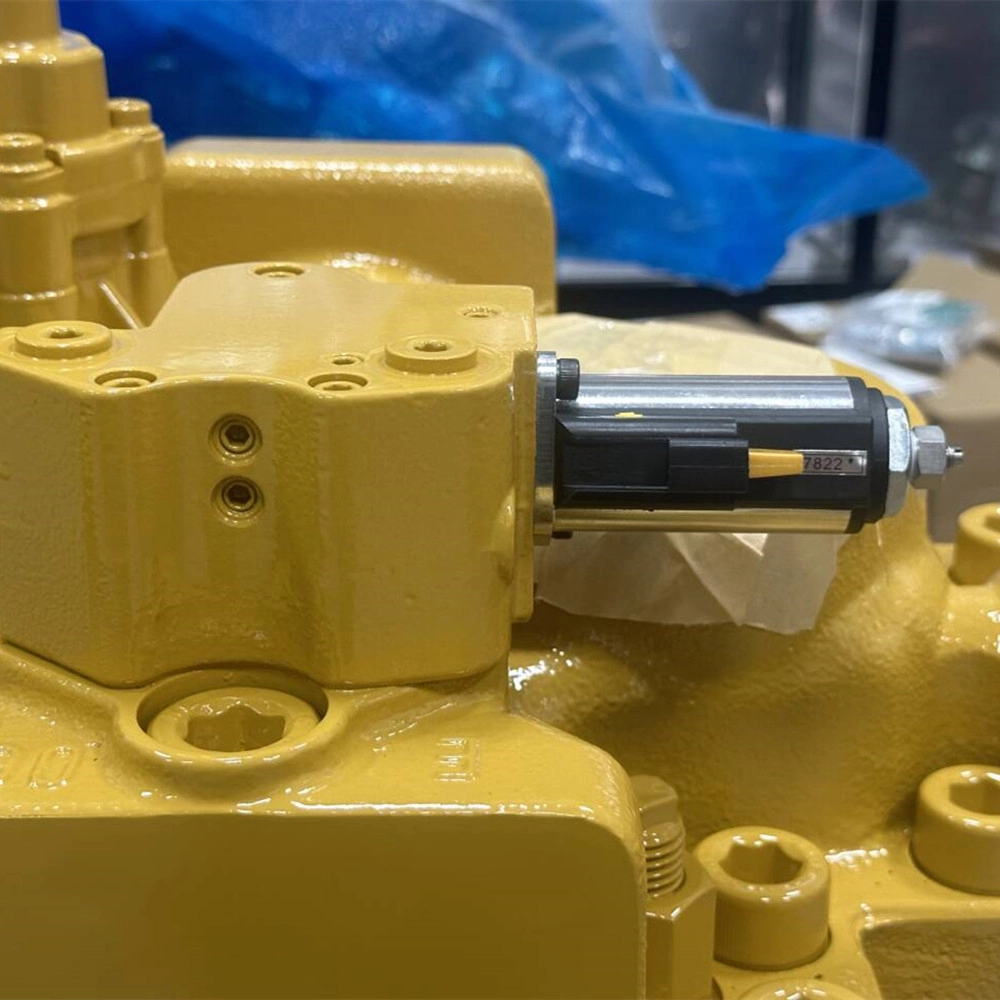
Flow Rate Matching: Pump Selection for 336D Attachments

Genuine Parts and Support: Benefits of Hitachi Original Engines

How ZAX870-5G 6WG1 engine assemblies improve fuel economy
Top 10 excavator parts Manufacturers and Supplier Brands
Prdoucts Categories
Question you may concern
FAQ
Do you provide warranties on your products?
Yes, we stand by the quality of our products. Most parts come with a warranty that covers manufacturing defects. Please refer to the specific warranty information provided with your purchase or contact our customer service team for details.
What types of excavator parts do you offer?
Weihuparts provides a comprehensive range of excavator parts, including but not limited to buckets, hydraulic components, undercarriage parts, and engine components. Our goal is to be your one-stop solution for all excavator needs.
How can I place an order?
You can place an order through our user-friendly online platform or by contacting our sales team directly. Simply browse our catalog, select the parts you need, and follow the checkout process to complete your order.
Do you offer bulk purchasing options?
Yes, we offer competitive pricing for bulk orders. If you are interested in purchasing large quantities of parts, please contact our sales team to discuss your requirements and receive a customized quote.
Do you provide installation services for your parts?
While we do not offer installation services directly, we can recommend qualified professionals or resources to assist you with the installation of our parts. Our customer support team can provide guidance on finding local service providers.
You may also like
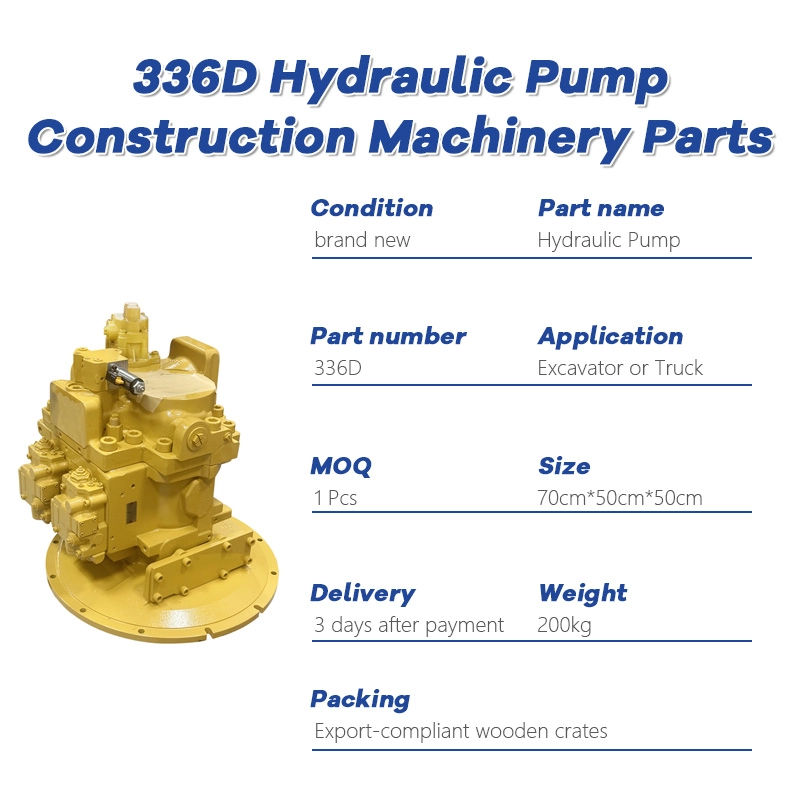
336D Excavator Hydraulic Pump | Heavy Duty CAT Replacement
This CAT 336D hydraulic pump is built for power, durability, and optimal performance. It is designed to fit Caterpillar 336D excavators and is available in both OEM and high-quality aftermarket versions. Whether you're replacing a damaged pump or upgrading your hydraulic system, this part ensures long-lasting and reliable operation in demanding construction environments.
-
✔️ Direct fit for CAT 336D excavators
-
✔️ Available in OEM or premium aftermarket
-
✔️ High-pressure performance for heavy-duty operations
-
✔️ Smooth and efficient hydraulic flow
-
✔️ Rigorously tested for quality and durability
-
✔️ Global shipping and responsive support
-
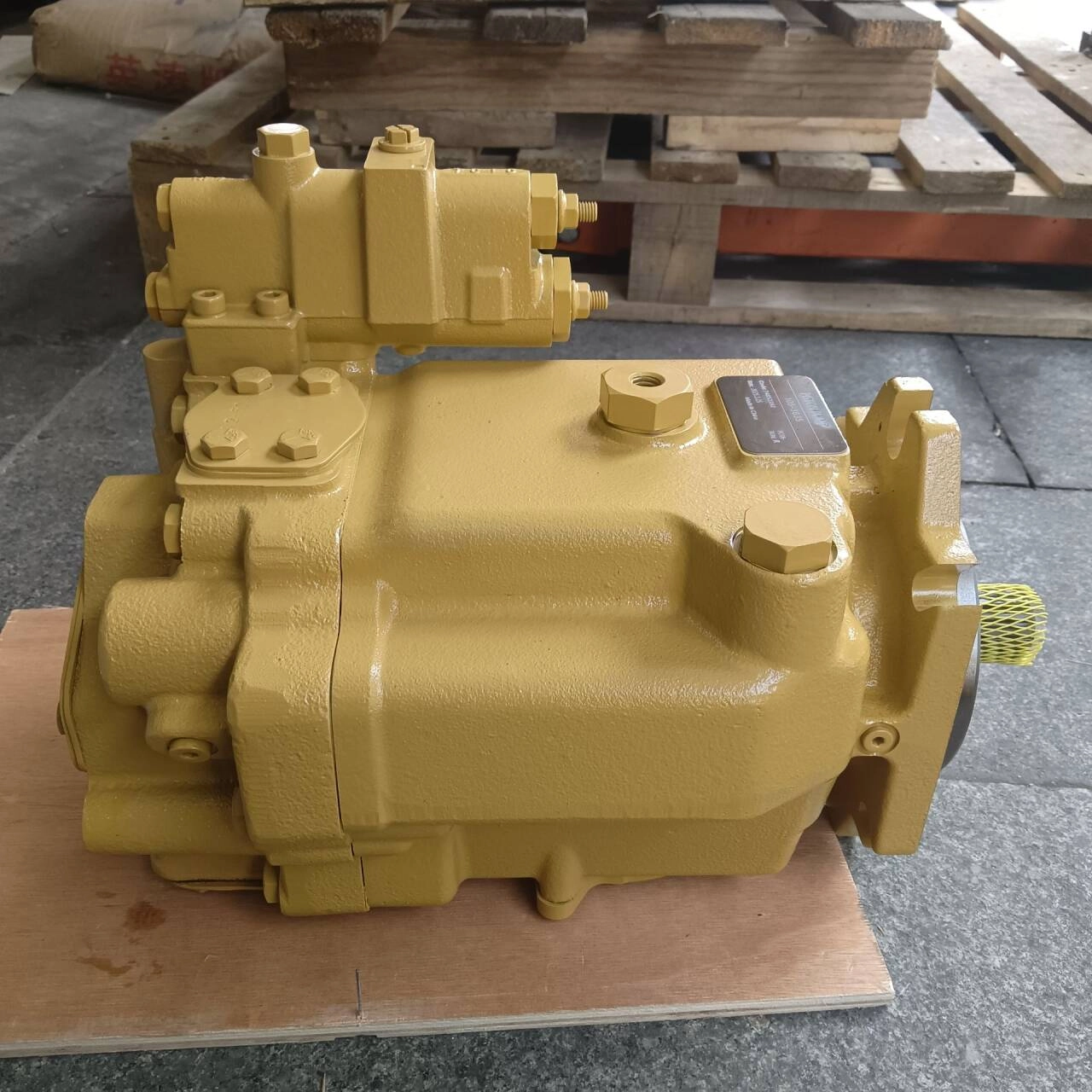
CAT 980H Hydraulic Pump | Heavy-Duty Loader Replacement Part
The CAT 980H and 980G hydraulic pumps are engineered to provide optimal hydraulic power and durability for Caterpillar loaders. Built with premium materials and precision manufacturing, these pumps are ideal for OEM replacements and high-quality aftermarket upgrades. They ensure smooth hydraulic operation and reliable performance in demanding construction environments.
-
✔️ Direct fit for CAT 980H and 980G loaders
-
✔️ Available in OEM and aftermarket versions
-
✔️ High-pressure, heavy-duty hydraulic performance
-
✔️ Manufactured with high-strength alloys and quality seals
-
✔️ Tested for durability and efficiency
-
✔️ Fast global shipping and excellent customer support
- 🛒 Order your CAT 980H & 980G Hydraulic Pump now!
📞 Contact us for bulk orders, technical support, or custom requests.
📦 Fast worldwide shipping | OEM & aftermarket options available -
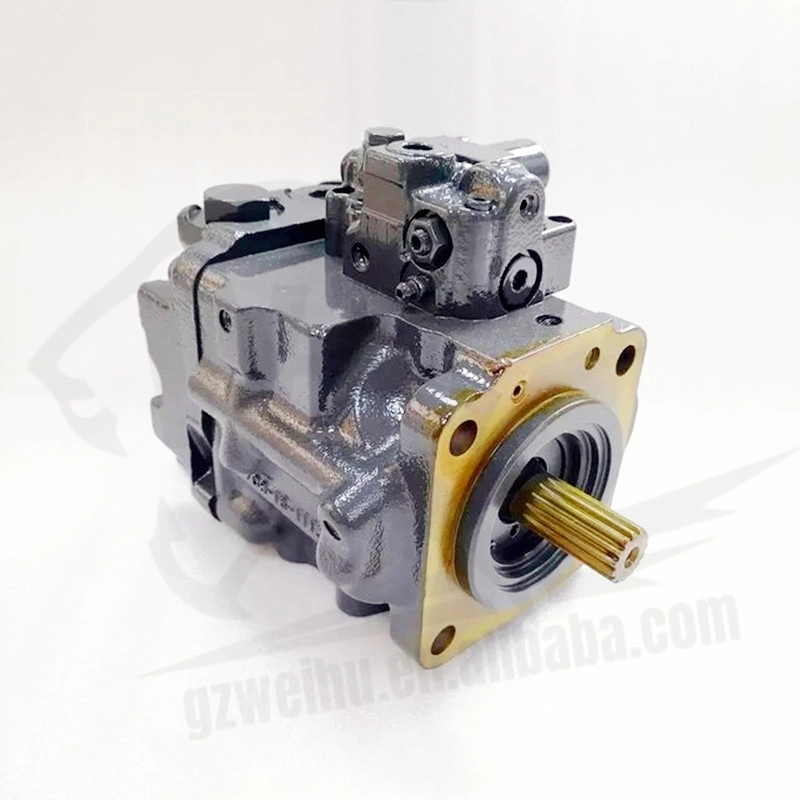
Doosan DX65 Excavator Hydraulic Pump | High-Performance Main Pump
The DX65 hydraulic pump is designed for Doosan DX65 mini excavators, delivering reliable and consistent hydraulic power for smooth machine operation. Whether you're replacing a worn pump or upgrading for enhanced performance, our OEM and aftermarket DX65 pumps offer durability, compatibility, and affordability. Each pump is manufactured using high-quality materials and precision engineering, ensuring long service life and reduced downtime.
-
✔️ 100% fit for Doosan DX65 excavators
-
✔️ Axial piston pump – compact and powerful
-
✔️ OEM & high-quality aftermarket versions available
-
✔️ Tested for pressure, performance & fluid consistency
-
✔️ Precision-sealed with robust alloy components
-
✔️ Global shipping with safe wooden packaging
- 🚜 Order Your Doosan DX65 Hydraulic Pump Today – Performance You Can Trust
📞 Contact Us for stock availability, bulk pricing, or compatibility check
🌍 Fast Global Shipping | OEM & Aftermarket | Secure Payment Options -
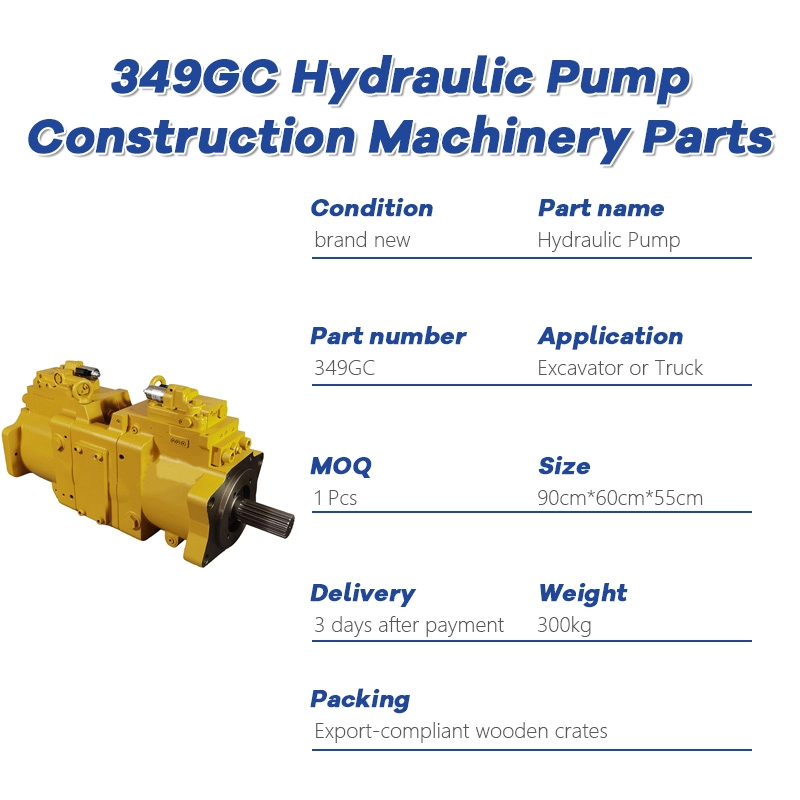
Hydraulic Pump for CAT 349GC | Reliable Performance, Fast Shipping
The CAT 349GC hydraulic pump is engineered to deliver efficient and reliable hydraulic power for Caterpillar 349GC excavators. Manufactured using premium materials and precision engineering, this pump is suitable for OEM replacement or high-quality aftermarket upgrades. It ensures smooth hydraulic flow, durability, and optimal performance even in the most demanding working conditions.
-
✔️ Direct fit for CAT 349GC excavators
-
✔️ OEM and aftermarket options available
-
✔️ High-pressure performance for heavy-duty applications
-
✔️ Manufactured with high-strength alloys and quality seals
-
✔️ Tested for reliability and longevity
-
✔️ Fast global shipping and responsive customer support
- 🚜 Order your CAT 349GC Hydraulic Pump now!
📞 Contact us for bulk pricing, customization, and technical support.
📦 Worldwide shipping available. OEM & aftermarket options.
Get in touch with us
If you have any comments or good suggestions, please leave us a message, later our professional staff will contact you as soon as possible.
To be a happy enterprise in the field of engineering equipment.
Weihuparts delivers efficient and reliable service at each stage to meet the customer's needs.