

jackhuang5919@gmail.com
Flow Rate Matching: Pump Selection for 336D Attachments
This guide explains how to match hydraulic pump flow to CAT 336D attachments, covering flow measurement, pump types (fixed vs variable displacement), OEM vs aftermarket choices, system integration, and practical selection workflows to ensure reliable, efficient attachment operation.
- Sizing Hydraulic Flow for 336D Attachment Performance
- Measuring attachment flow demand
- Calculating combined flow and duty cycle
- Flow vs pressure trade-offs
- Selecting the Right Hydraulic Pump Type
- Axial piston, vane, and gear pumps — strengths and limits
- Fixed vs variable displacement — when to choose which
- OEM vs aftermarket pump considerations
- Pump Selection Workflow and Practical Checks
- Step-by-step pump selection process
- Testing, commissioning and validation
- Maintenance and troubleshooting tips
- System Integration, Controls and Optimization
- Flow control strategies for consistent attachment performance
- Protecting the pump and attachments
- Case study: matching a hydraulic hammer and auger on a 336D
- FAQ
- Q: How do I know if my current pump is underflowing my attachment?
- Q: Can I increase flow by simply raising engine rpm?
- Q: Are aftermarket pumps reliable for the 336D?
- Q: What maintenance reduces pump failures?
- Q: Where can I find more technical standards and guidance?
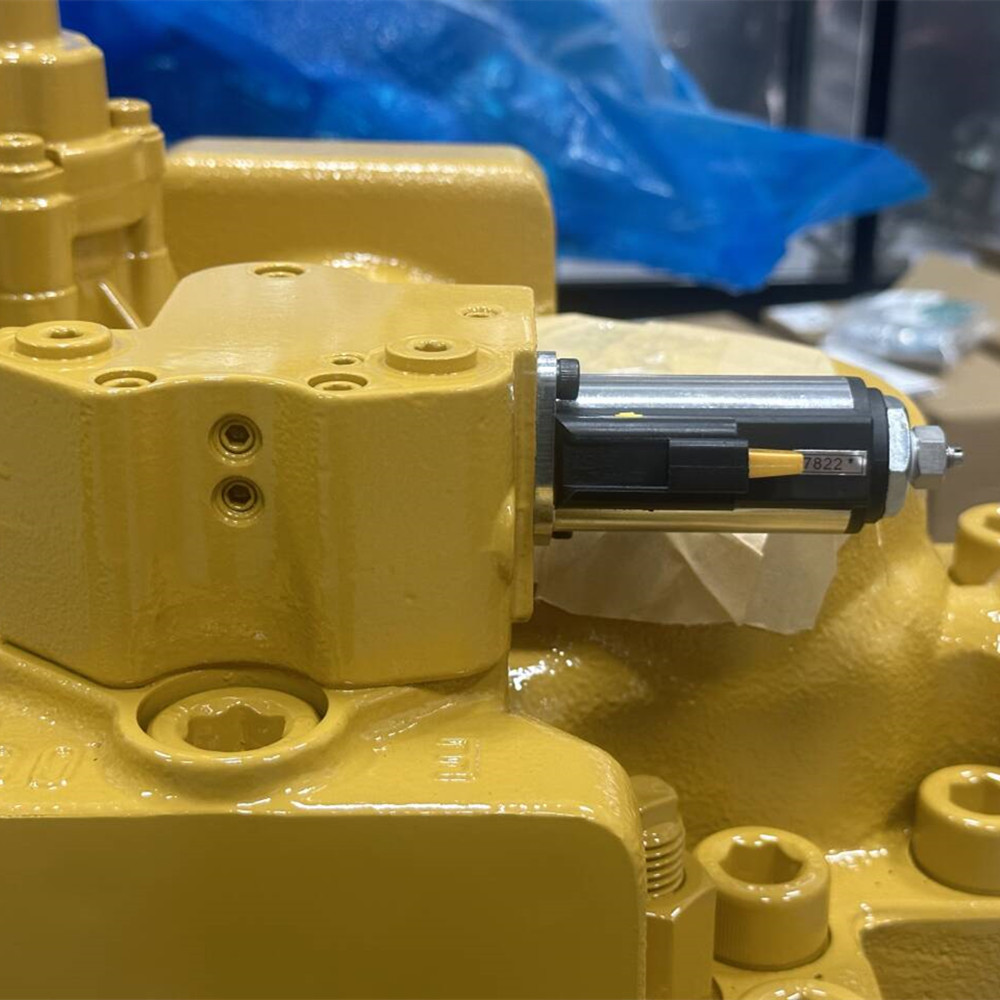
This summary is designed for crawling and quick indexing: selecting the correct hydraulic pump and matching flow rate for CAT 336D attachments is critical for performance, fuel efficiency, and component life. Whether you operate 336D excavators in North America, Europe, Asia or globally, understanding attachment flow requirements, pressure needs, and pump characteristics lets you choose an OEM or High Quality aftermarket hydraulic pump that delivers the expected torque, speed and duty cycle while maintaining safe system pressures.
Sizing Hydraulic Flow for 336D Attachment Performance
Measuring attachment flow demand
Every attachment (hammer, shear, thumb, auger, quick coupler) has a flow and pressure demand curve. The required flow (l/min or gpm) defines the actuator speed and cycle time; pressure sets the available force. To measure or confirm flow demand: consult the attachment manufacturer specifications, measure actual flow under load using an inline flow meter during typical cycles, or calculate theoretical flow from actuator displacement and desired speed. For example, an auger that needs 50 L/min at 200 bar to achieve target RPM will not reach performance if the pump only provides 35 L/min at that pressure.
Calculating combined flow and duty cycle
Attachments rarely operate in isolation. When multiple auxiliary circuits are active or when attachment and swing/boom demands overlap, total system flow must be evaluated. Steps:
- List maximum flow for each simultaneous operation (e.g., hammer + swing).
- Apply duty cycle weighting (percentage of time at maximum flow).
- Size pump for peak needs plus margin (typically 10–20%) to avoid frequent overloads and overheating.
Flow vs pressure trade-offs
Hydraulic power = flow × pressure. Increasing pressure for force reduces available flow power for speed at a fixed pump power rating. Flow matching must therefore consider the task profile: heavy digging (high pressure, moderate flow) vs fast attachment cycling (moderate pressure, high flow). Overpressurizing to chase speed will shorten pump life and increase heat; underflowing reduces productivity. Use load charts and torque/force curves from attachment OEMs to choose the best compromise.
Selecting the Right Hydraulic Pump Type
Axial piston, vane, and gear pumps — strengths and limits
Common pump architectures each have distinct behavior:
- Axial piston pumps (variable or fixed displacement): high pressure capability, good volumetric efficiency, typically used on excavators where load-sensing and proportional control are needed.
- Vane pumps: smooth flow and quiet operation but generally lower pressure ratings than piston pumps.
- Gear pumps: simple, robust, cost-effective for lower-pressure auxiliary circuits but less efficient at high pressure and poor at handling shock loads.
Fixed vs variable displacement — when to choose which
Fixed displacement pumps provide constant flow proportional to engine speed — simple but inefficient under variable load. Variable-displacement pumps adjust flow to match system demand, reducing throttling losses and heat. For attachments with variable demand and combined operations, a variable-displacement, load-sensing pump often yields better fuel economy, smoother control and less heat, especially on machines like the 336D where hydraulic power is a major operational cost.
OEM vs aftermarket pump considerations
Choosing between an OEM CAT pump and a High Quality aftermarket replacement requires weighing cost, warranty, and performance consistency. Key differences:
| Factor | OEM | High Quality Aftermarket |
|---|---|---|
| Fit & compatibility | Guaranteed direct fit and original specifications | High-quality units engineered for direct fit; verify part numbers |
| Warranty & support | OEM warranty and dealer network | Varies; reputable suppliers offer competitive warranties |
| Price | Usually higher | Often lower, with similar performance for many designs |
| Availability | Available through dealer channels | Often faster shipping globally through aftermarket warehouses |
Product spotlight:
This CAT 336D hydraulic pump is built for power, durability, and optimal performance. It is designed to fit Caterpillar 336D excavators and is available in both OEM and high-quality aftermarket versions. Whether you're replacing a damaged pump or upgrading your hydraulic system, this part ensures long-lasting and reliable operation in demanding construction environments.
- ✔️ Direct fit for CAT 336D excavators
- ✔️ Available in OEM or High Quality aftermarket
- ✔️ High-pressure performance for heavy-duty operations
- ✔️ Smooth and efficient hydraulic flow
- ✔️ Rigorously tested for quality and durability
- ✔️ Global shipping and responsive support
Pump Selection Workflow and Practical Checks
Step-by-step pump selection process
Follow a documented selection workflow to minimize rework:
- Identify maximum and typical flow and pressure requirements for each attachment and machine function.
- Map simultaneous duty (worst-case combined flows) and calculate hydraulic power required.
- Choose pump type (axial piston variable recommended for 336D) and displacement range to meet peak flow within permissible engine speed limits.
- Verify control compatibility (load-sensing, priority valves, electro-hydraulic control signals).
- Confirm cooling capacity and relief valve settings to prevent overheating and system blow-by.
Testing, commissioning and validation
Before field deployment, bench-test the pump and perform these checks:
- Measure maximum free-flow and flow under simulated load using a calibrated flow meter.
- Verify relief valve and pressure-limiting settings with a pressure gauge during full-load cycles.
- Conduct temperature rise tests in a closed-loop simulation to ensure the cooling system handles continuous duty.
- Run real attachment cycles and log flow, pressure, and oil temperature to validate selection assumptions.
Maintenance and troubleshooting tips
Common issues and corrective actions:
- Low flow or sluggish attachment: check for internal pump wear, stuck compensator, clogged filters, or insufficient engine rpm.
- Excessive heat: inspect for over-throttling, high relief valve settings, or inadequate cooler performance.
- Noise and vibration: could indicate cavitation (low suction head, clogged suction strainer) or worn bearings/gears.
System Integration, Controls and Optimization
Flow control strategies for consistent attachment performance
Flow-sharing valves, load-sensing systems and flow compensators help ensure attachments get the flow they need without starving other functions. On machines with auxiliary attachments that demand intermittent high flow, consider implementing:
- Priority flow valves to guarantee minimum flow for critical functions.
- Flow dividers or proportional control valves to share pump output intelligently.
- Electronic control modules to sequence attachment operations and avoid simultaneous peaks.
Protecting the pump and attachments
Install the correct relief valves, pressure-compensated filters, and suction strainers. Use recommended hydraulic fluids and monitor fluid cleanliness per ISO 4406 guidelines. Avoid sudden pressure spikes by adding accumulators or snubbers where attachments create rapid changes in flow or load. For authoritative background on hydraulic pump principles and risks, refer to the Hydraulic Pump entry on Wikipedia.
Case study: matching a hydraulic hammer and auger on a 336D
Example sizing scenario:
| Operation | Peak Flow (L/min) | Peak Pressure (bar) | Duty |
|---|---|---|---|
| Hydraulic hammer | 120 | 160 | 20% cycles |
| Auger | 70 | 200 | 40% cycles |
| Swing/boom combined | 80 | 180 | 20% cycles |
FAQ
Q: How do I know if my current pump is underflowing my attachment?
A: Symptoms include slow attachment speed, prolonged cycle times, and loss of power under load. Measure actual flow with an inline flow meter during peak operation. Compare measured flow and pressure to attachment OEM specifications.
Q: Can I increase flow by simply raising engine rpm?
A: Raising engine speed increases pump output for fixed-displacement pumps but may stress the engine, reduce fuel efficiency, and increase wear. For variable-displacement pumps, higher rpm also increases output, but most modern systems are tuned to control flow electronically or hydraulically. Use pump sizing and control strategies rather than relying solely on engine rpm.
Q: Are aftermarket pumps reliable for the 336D?
A: High-quality aftermarket pumps can match OEM performance and offer cost advantages. Choose reputable suppliers who provide warranties, test data and clear compatibility with CAT controls. Check reviews and request performance curves and test reports.
Q: What maintenance reduces pump failures?
A: Maintain fluid cleanliness (filters, regular sampling for ISO 4406), proper coolers, correct pressure settings, and timely replacement of wear parts. Avoid cavitation by checking suction conditions and keeping tank levels correct.
Q: Where can I find more technical standards and guidance?
A: Refer to industry standards and guidance from organizations like the Hydraulic Institute and machine OEM documentation. For general hydraulic system safety and design principles, consult ISO technical standards and Caterpillar's service manuals at Caterpillar.
Need assistance selecting the right hydraulic pump for your CAT 336D attachments or want to view our replacement options? Contact our sales and technical support team now or view the 336D Excavator Hydraulic Pump | Heavy Duty CAT Replacement to check fitment, lead times, and OEM vs aftermarket options. Our experts can run a flow-match analysis based on your attachment profile and duty cycle.
Tags
Excavator 4JB1 Engine High Efficiency Diesel Engine
Excavator 4JB1 Engine High Efficiency Diesel Engine
best diesel engine
best diesel engine
Direct Injection Engine
Direct Injection Engine
CAT 3066 wholesale engine parts
CAT 3066 wholesale engine parts
Kubota D902 Excavator Engine
Kubota D902 Excavator Engine
Carter C7.1 engine
Carter C7.1 engine
Recommended for you
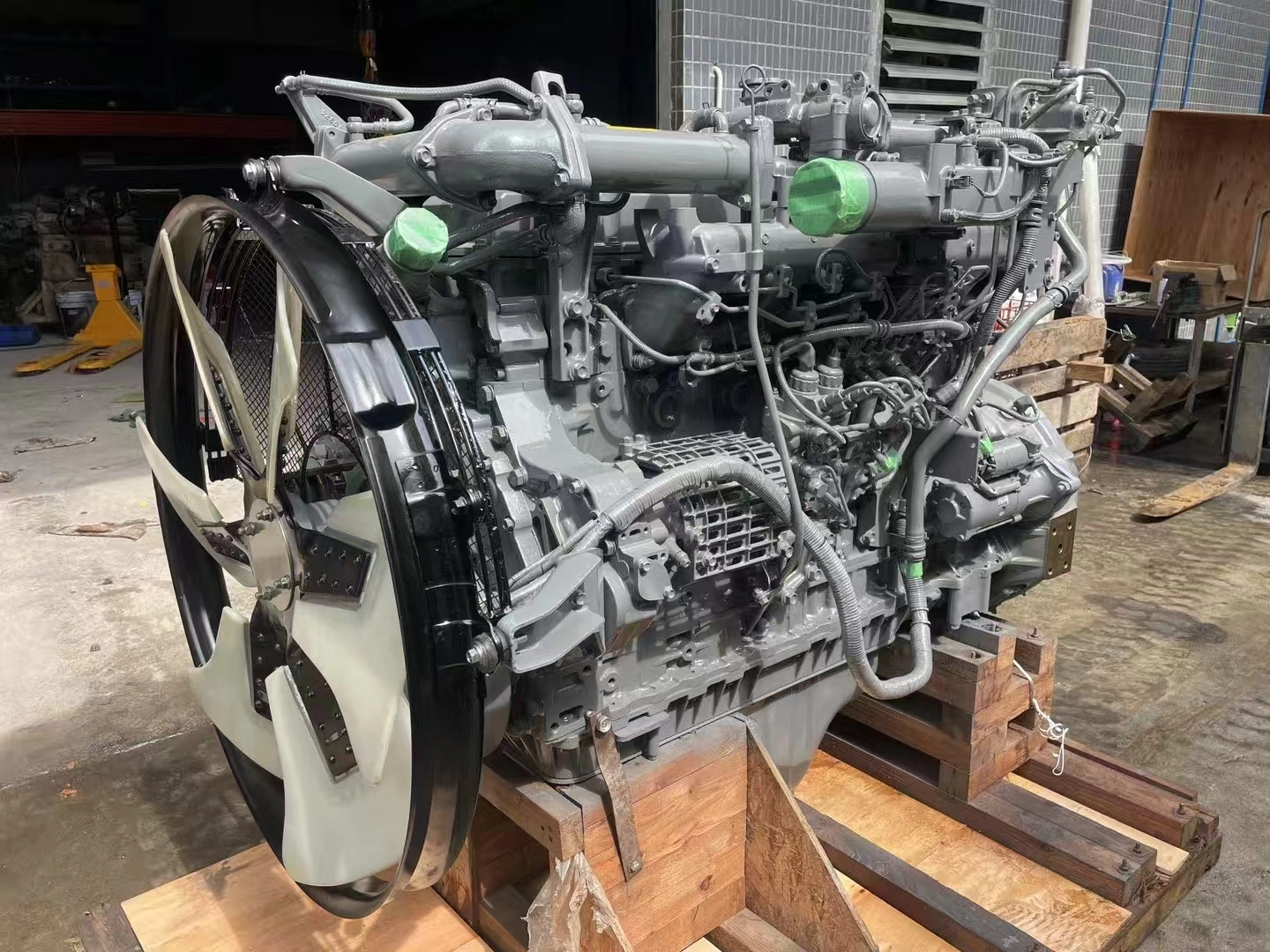
Assessing Total Cost of Ownership for the Best Diesel Engine
Where to Buy excavator engine parts in China
Top 5 excavator hydraulic pump Company List and Products Compared
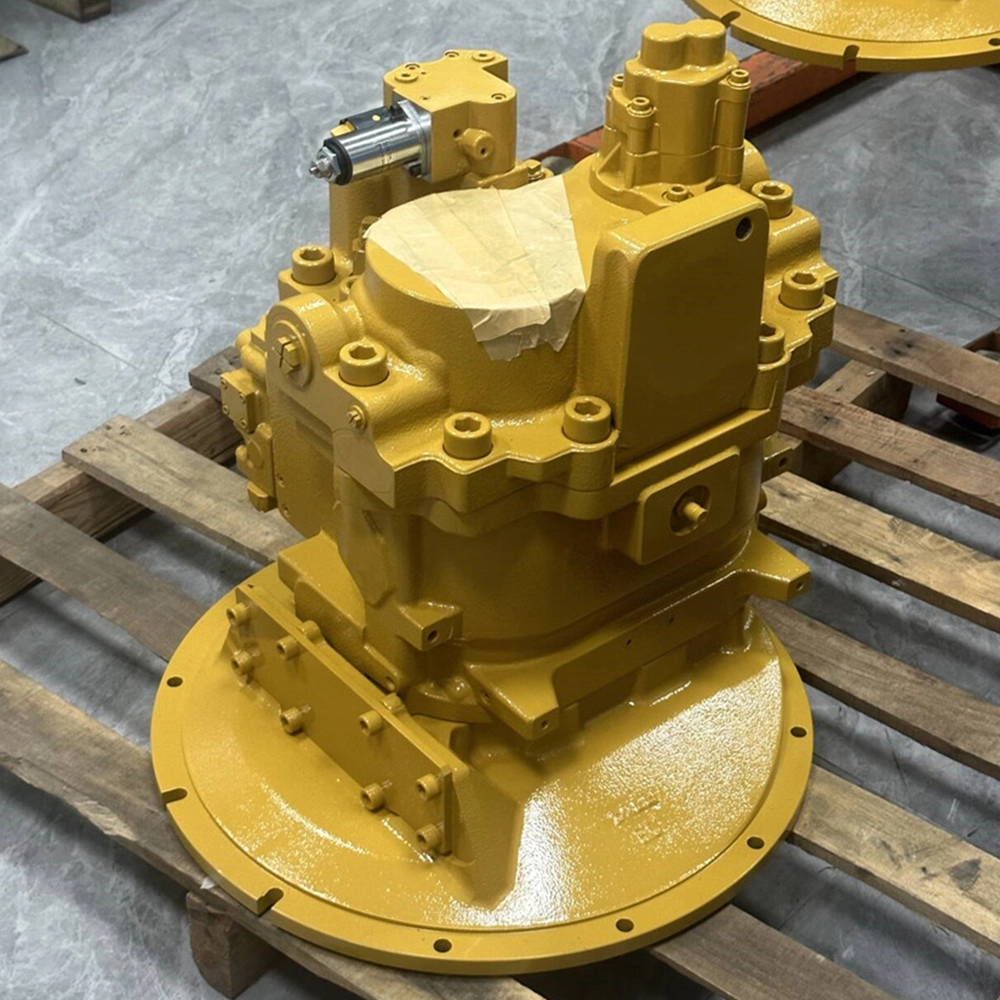
Lead Time and Delivery Considerations for Hydraulic Pumps
Prdoucts Categories
Question you may concern
FAQ
Do you provide installation services for your parts?
While we do not offer installation services directly, we can recommend qualified professionals or resources to assist you with the installation of our parts. Our customer support team can provide guidance on finding local service providers.
How do I know which parts I need for my excavator?
If you are unsure which parts are needed, our knowledgeable customer support team can assist you. You can provide us with your excavator model and any relevant details, and we will help you identify the correct parts.
What types of excavator parts do you offer?
Weihuparts provides a comprehensive range of excavator parts, including but not limited to buckets, hydraulic components, undercarriage parts, and engine components. Our goal is to be your one-stop solution for all excavator needs.
Do you offer bulk purchasing options?
Yes, we offer competitive pricing for bulk orders. If you are interested in purchasing large quantities of parts, please contact our sales team to discuss your requirements and receive a customized quote.
How can I place an order?
You can place an order through our user-friendly online platform or by contacting our sales team directly. Simply browse our catalog, select the parts you need, and follow the checkout process to complete your order.
You may also like
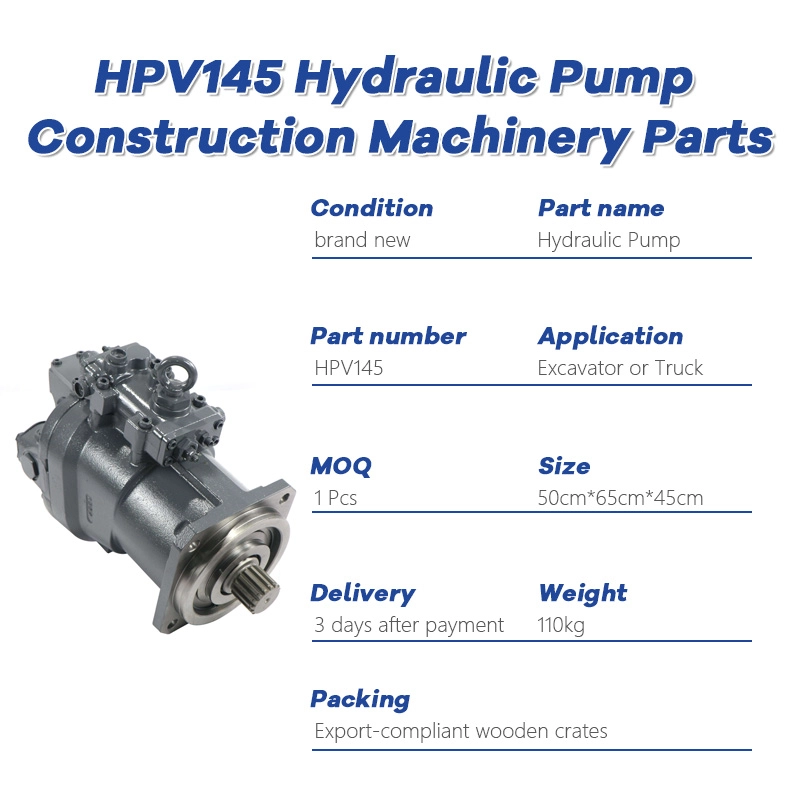
HPV145 Hydraulic Pump (Direct Injection) | Excavator Main Pump Replacement
The HPV145 single pump with direct injection technology is designed for excavators and heavy-duty machinery requiring precise hydraulic control and efficient power delivery. Combining advanced direct injection control with durable axial piston pump construction, this model ensures high performance, long service life, and reliable operation. Available in OEM and aftermarket versions, it is ideal for replacement or system upgrades.
-
✔️ Direct injection electronic control for precise hydraulic output
-
✔️ Suitable for excavators and various heavy machinery
-
✔️ High-pressure axial piston single pump design
-
✔️ OEM and aftermarket options for flexibility and cost-effectiveness
-
✔️ Robust materials and quality seals for long-term durability
-
✔️ Fast worldwide shipping and comprehensive technical support
- 🛒 Order Your HPV145 Direct Injection Single Pump Today – Precision, Durability & Performance
📞 Contact Us for pricing, availability, and technical support
🌍 Fast Global Shipping | OEM & Aftermarket | Secure Payment Options -
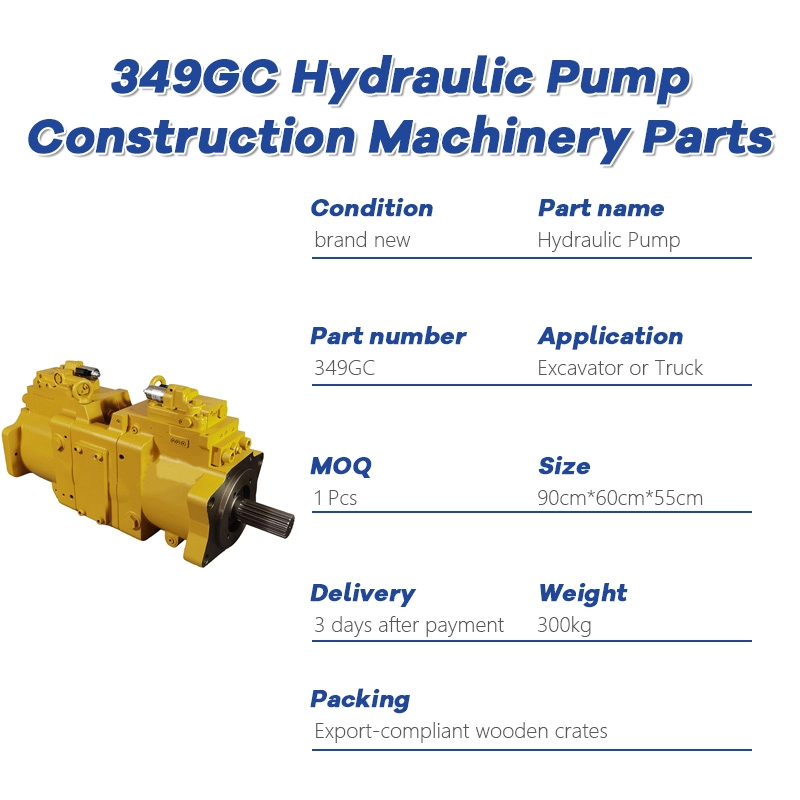
Hydraulic Pump for CAT 349GC | Reliable Performance, Fast Shipping
The CAT 349GC hydraulic pump is engineered to deliver efficient and reliable hydraulic power for Caterpillar 349GC excavators. Manufactured using premium materials and precision engineering, this pump is suitable for OEM replacement or high-quality aftermarket upgrades. It ensures smooth hydraulic flow, durability, and optimal performance even in the most demanding working conditions.
-
✔️ Direct fit for CAT 349GC excavators
-
✔️ OEM and aftermarket options available
-
✔️ High-pressure performance for heavy-duty applications
-
✔️ Manufactured with high-strength alloys and quality seals
-
✔️ Tested for reliability and longevity
-
✔️ Fast global shipping and responsive customer support
- 🚜 Order your CAT 349GC Hydraulic Pump now!
📞 Contact us for bulk pricing, customization, and technical support.
📦 Worldwide shipping available. OEM & aftermarket options.
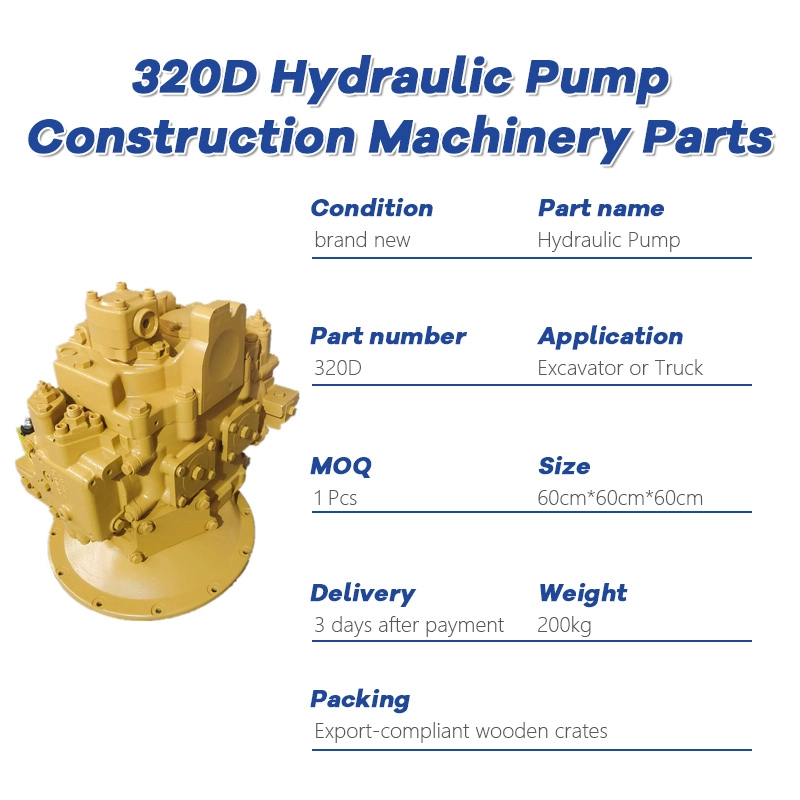
CAT 320D SBS120 Hydraulic Pump for Excavator | High Quality Replacement
This high-performance SBS120 hydraulic pump is specially designed for the CAT 320D excavator. Built with premium materials and precision manufacturing, it ensures reliable power delivery and long-lasting performance in tough construction environments. Ideal as an OEM replacement or aftermarket solution, this pump supports your hydraulic system with smooth, efficient operation.
-
Fits: Caterpillar 320D
-
Model: SBS120
-
Application: Excavator main hydraulic pump
-
Condition: New / Aftermarket available
-
Warranty: 6-12 months (optional)
-
Worldwide shipping available
-
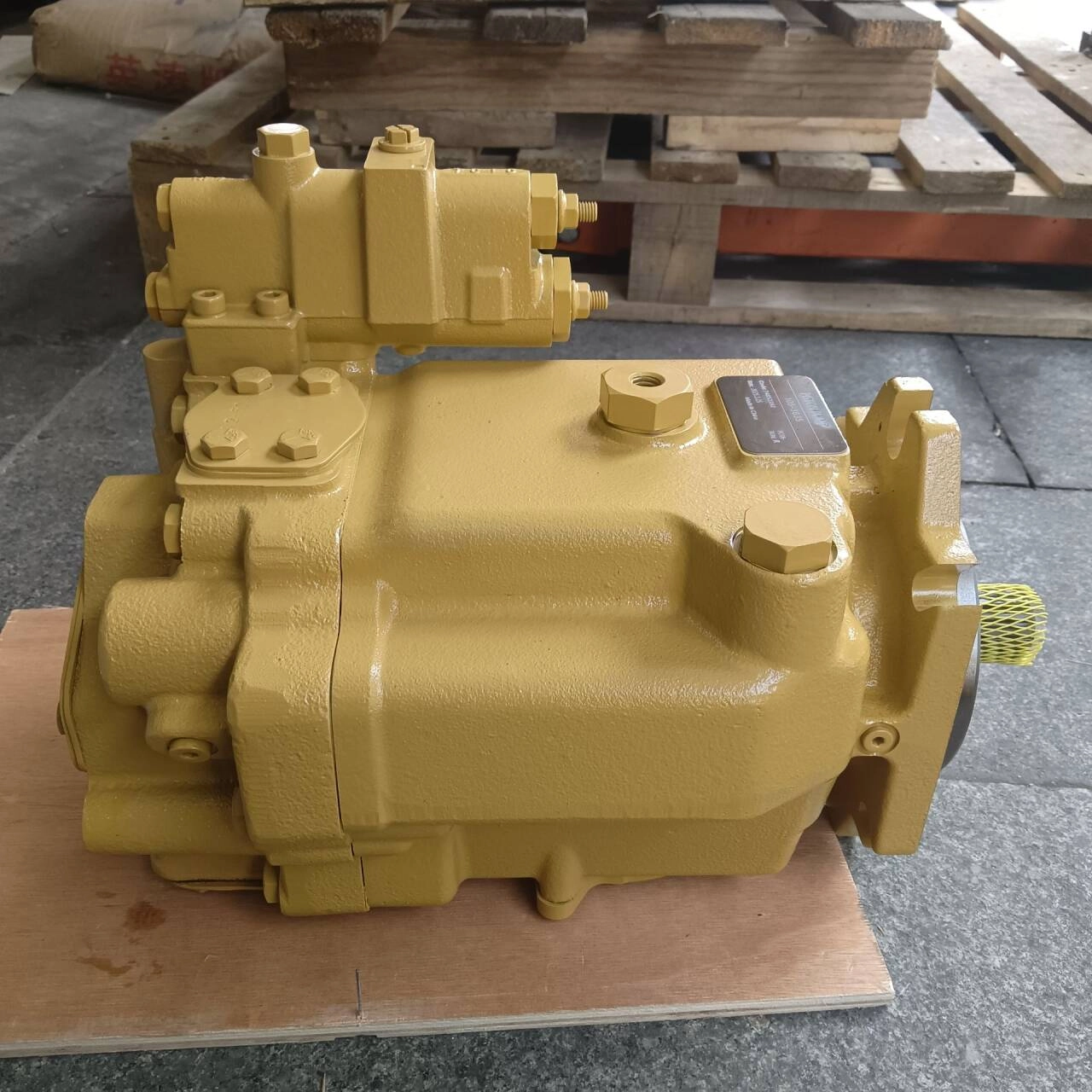
CAT 980H Hydraulic Pump | Heavy-Duty Loader Replacement Part
The CAT 980H and 980G hydraulic pumps are engineered to provide optimal hydraulic power and durability for Caterpillar loaders. Built with premium materials and precision manufacturing, these pumps are ideal for OEM replacements and high-quality aftermarket upgrades. They ensure smooth hydraulic operation and reliable performance in demanding construction environments.
-
✔️ Direct fit for CAT 980H and 980G loaders
-
✔️ Available in OEM and aftermarket versions
-
✔️ High-pressure, heavy-duty hydraulic performance
-
✔️ Manufactured with high-strength alloys and quality seals
-
✔️ Tested for durability and efficiency
-
✔️ Fast global shipping and excellent customer support
- 🛒 Order your CAT 980H & 980G Hydraulic Pump now!
📞 Contact us for bulk orders, technical support, or custom requests.
📦 Fast worldwide shipping | OEM & aftermarket options available -
Get in touch with us
If you have any comments or good suggestions, please leave us a message, later our professional staff will contact you as soon as possible.
To be a happy enterprise in the field of engineering equipment.
Weihuparts delivers efficient and reliable service at each stage to meet the customer's needs.