

jackhuang5919@gmail.com
Troubleshooting engine assemblies: noise, smoke, and leaks
Comprehensive troubleshooting guide for engine assemblies focusing on noise, smoke, and leaks. Practical diagnostics, step-by-step fixes, safety and maintenance advice, and specific guidance for the ZAX870-5G 6WG1 Direct Injection Diesel Engine used in Hitachi excavators. Includes comparison table, FAQ, and authoritative references.
- Troubleshooting engine assemblies: noise, smoke, and leaks
- Introduction — why reliable engine assemblies matter for excavators
- Product spotlight — ZAX870-5G 6WG1 Diesel Engine | Hitachi Excavator Original Engine Supplier
- How to approach troubleshooting engine assemblies in excavators
- Step 1 — Observe and record symptoms
- Step 2 — Basic measurements and quick checks
- Diagnosing noise in engine assemblies: types, causes, and fixes
- Tapping or ticking
- Knocking (deep metallic sound)
- Whine or high-pitched squeal
- Diagnosing smoke: colors, meanings, and solutions
- Black smoke
- Blue smoke
- White smoke
- Diagnosing leaks in engine assemblies: oil, fuel, coolant
- Oil leaks
- Fuel leaks
- Coolant leaks
- Quick-reference troubleshooting table
- When to repair vs when to replace an engine assembly
- Economic decision factors
- Maintenance and prevention to avoid future noise, smoke, and leaks
- Recommended checklist for ZAX870-5G 6WG1 engine owners
- Brand advantage and why choose ZAX870-5G 6WG1 assemblies from an original supplier
- Operational benefits
- Safety considerations and environmental compliance
- FAQ — Troubleshooting engine assemblies: noise, smoke, and leaks
- Q1: My excavator with a ZAX870-5G engine emits black smoke under load—what should I check first?
- Q2: How do I tell the difference between valve train noise and bearing knock?
- Q3: Is blue smoke always a sign of piston wear?
- Q4: Can I continue operating if I find a small oil leak?
- Q5: When should I contact an original engine supplier for the ZAX870-5G 6WG1?
- Contact us / View product — next steps
- Authoritative references
- Final note

Troubleshooting engine assemblies: noise, smoke, and leaks
Introduction — why reliable engine assemblies matter for excavators
Engine assemblies are the heart of any hydraulic excavator. When noise, smoke, or fluid leaks appear, they are often the first visible signs that an engine assembly needs attention. For contractors and fleet managers using Hitachi excavators with the ZAX870-5G 6WG1 diesel engine, quick, accurate diagnosis avoids costly downtime and maintains safety on the job site. This article explains practical troubleshooting steps for common symptoms, how to interpret them for correct repairs or part replacement, and when to consult an original-engine supplier.
Product spotlight — ZAX870-5G 6WG1 Diesel Engine | Hitachi Excavator Original Engine Supplier
<p>ZAX870-5G 6WG1 Direct Injection Diesel Engine – Reliable Power for Hitachi Excavators</p><p><strong data-start=347 data-end=368>Product Overview:</strong><br data-start=368 data-end=371>The <strong data-start=375 data-end=417>ZAX870-5G 6WG1 Direct Injection Engine</strong> is a high-performance diesel engine designed for <strong data-start=467 data-end=500>Hitachi heavy-duty excavators</strong>. Powered by <strong data-start=513 data-end=547>Isuzu’s 6WG1 engine technology</strong>, it delivers exceptional fuel efficiency, stable combustion, and outstanding durability — ensuring continuous operation even in the toughest working conditions.</p>
How to approach troubleshooting engine assemblies in excavators
Effective troubleshooting follows a structured approach: observe symptoms, collect basic measurements, check service history, perform targeted inspections, and implement corrective actions. This avoids wasted parts swaps and ensures repairs are both safe and cost-effective. Always start with safety: isolate power, chock the machine, and allow the engine to cool before opening covers or hoses.
Step 1 — Observe and record symptoms
Record when issues occur (cold start, under load, idle), whether symptoms are constant or intermittent, and any dashboard codes or alarm lights. Note exhaust color, noise type (tapping, knocking, whining), and location of leaks (valve cover, oil pan, fuel return). Photos and short video clips are extremely helpful for remote diagnostics with suppliers.
Step 2 — Basic measurements and quick checks
Use a multimeter, fuel pressure gauge, compression tester, and infrared thermometer where appropriate. Check oil level and quality, coolant level, and air filter condition. Low oil or coolant can produce immediate symptoms (boring noise from low oil; white smoke from coolant ingress).
Diagnosing noise in engine assemblies: types, causes, and fixes
Noise in a diesel engine assembly can indicate anything from a loose accessory to catastrophic internal damage. Distinguish noises by character and location:
Tapping or ticking
Common causes: low oil pressure, worn lifters/rocker arms, or injector nozzle issues. Check oil level and pressure first. If pressure is within spec, inspect valve train clearance and injectors. Corrective action can range from adjusting valve clearance to replacing lifters or faulty injectors.
Knocking (deep metallic sound)
Knock indicates potential connecting rod or main bearing wear, piston slap, or severe detonation. Perform a compression and leakage test and check oil for metallic particles. If bearings are worn, do not run the engine long—replace or rebuild the engine assembly to avoid catastrophic failure.
Whine or high-pitched squeal
Usually caused by accessory belt issues, turbocharger bearing wear, or high-pressure fuel pump problems. Inspect belts and tensioners, turbocharger shaft play, and the HPN pump. Replace worn bearings or tensioners, and ensure proper pulley alignment.
Diagnosing smoke: colors, meanings, and solutions
Diesel smoke color gives immediate clues. Always observe smoke during steady conditions (idle, load) and after engine warm-up for reliable diagnosis.
Black smoke
Cause: incomplete combustion—too much fuel or insufficient air. Check air intake (blocked air filter, turbocharger issues), fuel injection timing, and high-pressure fuel system. Solutions include replacing air filters, cleaning intercoolers, checking turbocharger boost, and adjusting/repairing injectors or fuel pumps.
Blue smoke
Cause: oil burning—worn piston rings, valve guide seals, or turbocharger oil seals. Diagnose with compression testing and blow-by measurement. If blow-by is high, plan for top-end or full engine overhaul. Turbocharger oil seals require turbo inspection and likely replacement.
White smoke
Cause: coolant entering combustion chamber or unburned fuel at cold start. Persistent white smoke accompanied by coolant loss suggests a head gasket failure, cracked head, or cracked block. Perform a coolant system pressure test, inspect coolant for oil contamination, and do a cylinder leak-down test.
Diagnosing leaks in engine assemblies: oil, fuel, coolant
Leaks degrade performance and cause environmental hazards. Identify the fluid and trace the leak path before replacing parts.
Oil leaks
Common leak sources: valve cover gasket, oil pan gasket, front/rear crank seals, turbo oil lines, and oil cooler connections. Use UV dye in oil to trace the leak. Replace gaskets/seals with OEM or high-quality aftermarket parts, and ensure mating surfaces are clean and torque to spec.
Fuel leaks
Fuel leaks are a serious fire hazard. Inspect fuel lines, injector return lines, fittings, and high-pressure pump seals. Tighten or replace fittings and lines, and replace cracked hoses immediately. If leaks are internal (pump or injectors), replace the defective component and pressure-test the fuel system after repair.
Coolant leaks
Inspect hoses, radiator, water pump, heater core, head gasket, and freeze plugs. Use a coolant pressure tester to identify slow leaks. Replace hoses and clamps proactively; for head gasket or cracked components, coordinate repairs with an engine assembly specialist.
Quick-reference troubleshooting table
| Symptom | Probable Cause | Immediate Action | Long-term Fix |
|---|---|---|---|
| Black smoke under load | Restricted air intake, dirty injectors, incorrect fuel delivery | Check air filter and turbo, reduce load; inspect injectors | Replace air filter, clean intercooler, service injectors/fuel pump |
| Blue smoke at start or load | Worn piston rings, valve seals, turbo oil seal | Measure oil consumption, avoid heavy load | Top-end rebuild, turbo inspection/replacement |
| White smoke and coolant loss | Head gasket failure, crack in head/block | Stop engine, pressure-test cooling system | Repair/replace head or block, replace gasket |
| Loud rod knock | Main/rod bearing failure | Shut down engine, tow to workshop | Engine rebuild or replacement |
| Oil pooling beneath machine | Gasket/seal failure, oil cooler line leak | Use UV dye to trace, top up oil if needed | Replace leaking gasket/line, clean mating surfaces |
When to repair vs when to replace an engine assembly
Minor issues (gaskets, injectors, turbo seals) are usually repairable on-site or in a workshop. Major internal damage (worn crank journals, multiple cracked pistons, severe cylinder liner wear) often justifies replacing the full engine assembly. Consider machine age, hours, downtime cost, and residual life. For Hitachi machines with ZAX870-5G 6WG1 engines, sourcing an original remanufactured or new assembly from a certified supplier frequently provides the best long-term value and preserves warranty/compatibility.
Economic decision factors
1) Repair cost vs replacement cost; 2) Remaining useful life of excavator; 3) Availability of remanufactured ZAX870-5G assemblies; 4) Downtime and productivity losses; 5) Warranty coverage. If repair approaches 50% of replacement cost and machine hours are high, replacement is often preferable.
Maintenance and prevention to avoid future noise, smoke, and leaks
Preventive maintenance is the most cost-effective strategy. Follow OEM service intervals for oil, filters, coolant, and valve adjustments. Keep air intakes and radiators clean, use fuel and oil of correct specification, and regularly inspect hoses and fittings. Implement an oil analysis program to detect wear metals early and plan interventions before failure.
Recommended checklist for ZAX870-5G 6WG1 engine owners
- Daily: check oil, coolant, and fuel levels; inspect for visible leaks.
- Weekly: blow out radiators and charge air after dusty operations; inspect belts and hoses.
- Every 250 hours: change engine oil & filter, check valve clearances if specified by OEM.
- Every 1,000 hours: fuel system service, coolant analysis, and turbo inspection.
- Oil analysis every 500 hours or when an unusual noise/smoke appears.
Brand advantage and why choose ZAX870-5G 6WG1 assemblies from an original supplier
The ZAX870-5G 6WG1 Direct Injection Engine combines Isuzu 6WG1 technology with Hitachi integration, delivering stable combustion, fuel efficiency, and a robust parts network. Buying original-engine assemblies from an authorized Hitachi excavator supplier ensures correct fitment, factory-tested performance, and compatibility with control systems. Authorized suppliers also provide warranty support, proper machining tolerances, and remanufacturing standards that aftermarket generic units may not match.
Operational benefits
- Reduced troubleshooting time due to correct parts and technical support. - Higher reliability under heavy duty cycles typical for Hitachi excavators. - Access to OEM service bulletins and calibration parameters for fuel and emissions systems.
Safety considerations and environmental compliance
Address fuel and oil leaks immediately to eliminate fire risks and environmental contamination. Adhere to local regulations for disposal of used oil, filters, and coolant. Diesel exhaust contains pollutants regulated by agencies such as the U.S. EPA; properly maintained engine assemblies reduce harmful emissions and help your fleet comply with emission standards.
FAQ — Troubleshooting engine assemblies: noise, smoke, and leaks
Q1: My excavator with a ZAX870-5G engine emits black smoke under load—what should I check first?
A1: Check the air intake system first—clean or replace clogged air filters and inspect the turbocharger for damage or lost boost. Next, check the fuel system: fuel pump and injector condition, and fuel metering/timing. Follow the quick-reference table above for targeted steps.
Q2: How do I tell the difference between valve train noise and bearing knock?
A2: Valve train noise is usually higher frequency (tapping) and varies with RPM and valve adjustment, whereas bearing knock is deeper and increases with load and RPM. Perform an oil pressure check and a stethoscope inspection—listen near the valve cover versus the lower crankcase to localize the sound.
Q3: Is blue smoke always a sign of piston wear?
A3: Not always. Blue smoke signals oil burning, which can result from worn piston rings, valve stem seals, or turbocharger oil seal failure. Inspect the turbo and perform compression/blow-by tests to pinpoint the source.
Q4: Can I continue operating if I find a small oil leak?
A4: Small external leaks may be manageable short-term if oil levels are maintained and the leak isn't near hot components. However, any leak should be evaluated promptly—fuel or coolant leaks require immediate shutdown due to fire and engine damage risks.
Q5: When should I contact an original engine supplier for the ZAX870-5G 6WG1?
A5: Contact an authorized supplier when facing major internal damage, when you need genuine assemblies or remanufactured cores, or when you require technical calibration data. Suppliers also help confirm whether a repair or full replacement is most economical.
Contact us / View product — next steps
If you operate Hitachi excavators with the ZAX870-5G 6WG1 engine and need parts, technical support, or a remanufactured engine assembly, contact our service team for rapid diagnostics and genuine OEM solutions. View the ZAX870-5G 6WG1 product page or request a quotation from our Hitachi Excavator Original Engine Supplier desk to minimize downtime and ensure long-term reliability.
Authoritative references
- Diesel engine (Wikipedia): https://en.wikipedia.org/wiki/Diesel_engine
- Hitachi Construction Machinery — Excavators (product pages): https://www.hitachicm.com/global/products/excavators/
- Isuzu Engines (engine technology overview): https://www.isuzuengines.co.jp/en/
- U.S. Environmental Protection Agency — Diesel Exhaust: https://www.epa.gov/diesel
Final note
Accurate diagnosis of noise, smoke, and leaks in engine assemblies saves time and money. Use the inspection steps and table above as a practical guide, follow OEM maintenance schedules for the ZAX870-5G 6WG1 engine, and consult an authorized supplier for complex repairs or full assembly replacements. For immediate assistance, contact our technical support team and provide photos, videos, and machine hour data to accelerate troubleshooting.
Tags
Cummins B5.9 industrial engine
Cummins B5.9 industrial engine
Caterpillar C9 marine engine
Caterpillar C9 marine engine
312D excavator hydraulic pump
312D excavator hydraulic pump
6D170E-3 engine for sale
6D170E-3 engine for sale
Caterpillar C13 engine replacement
Caterpillar C13 engine replacement
K3V112DTP axial piston pump
K3V112DTP axial piston pump
Recommended for you
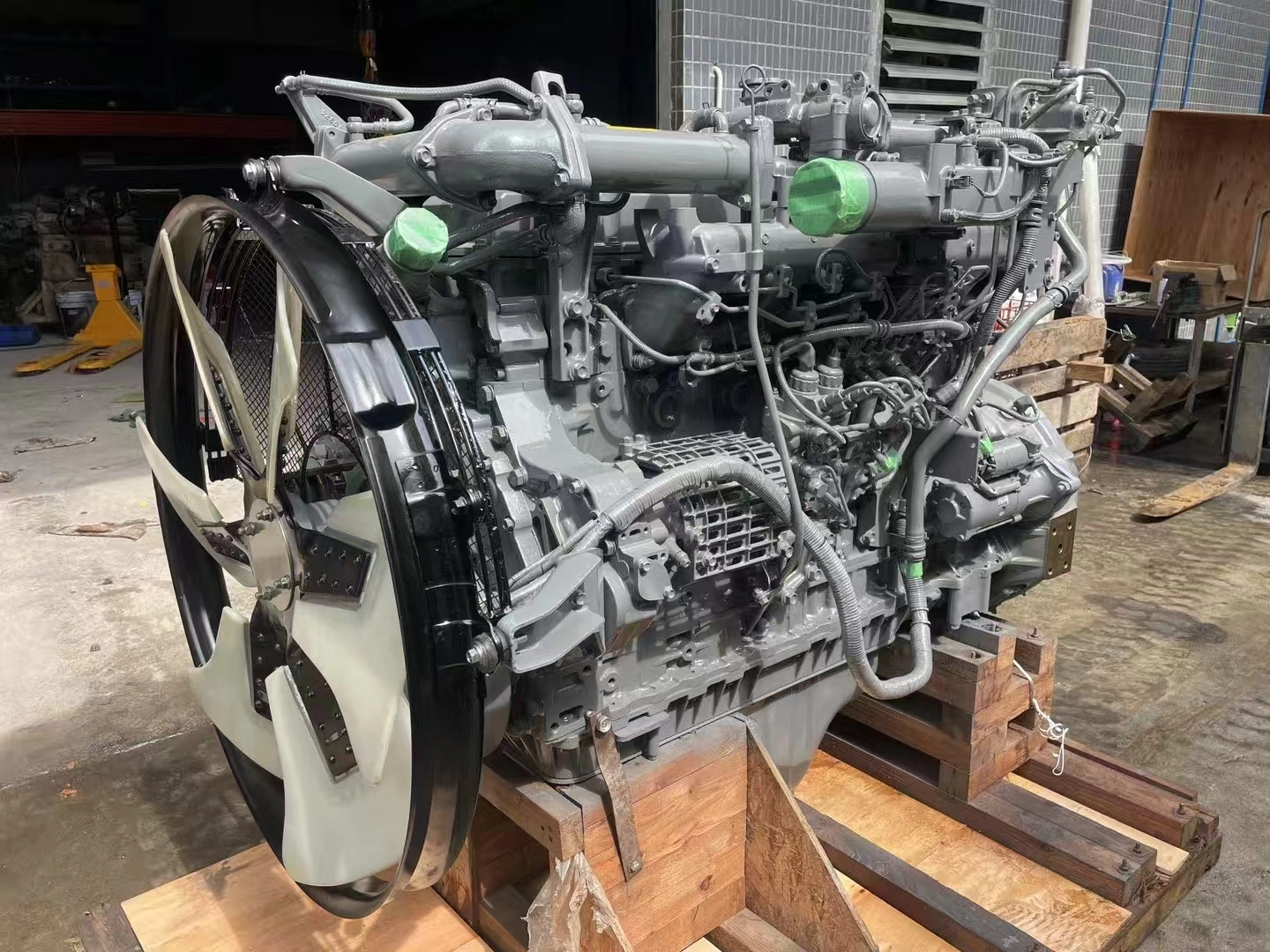
Assessing Total Cost of Ownership for the Best Diesel Engine

Emissions and compliance for modern engine assemblies
Best Ways to Extend Hydraulic Pump Lifespan in Excavators 2026
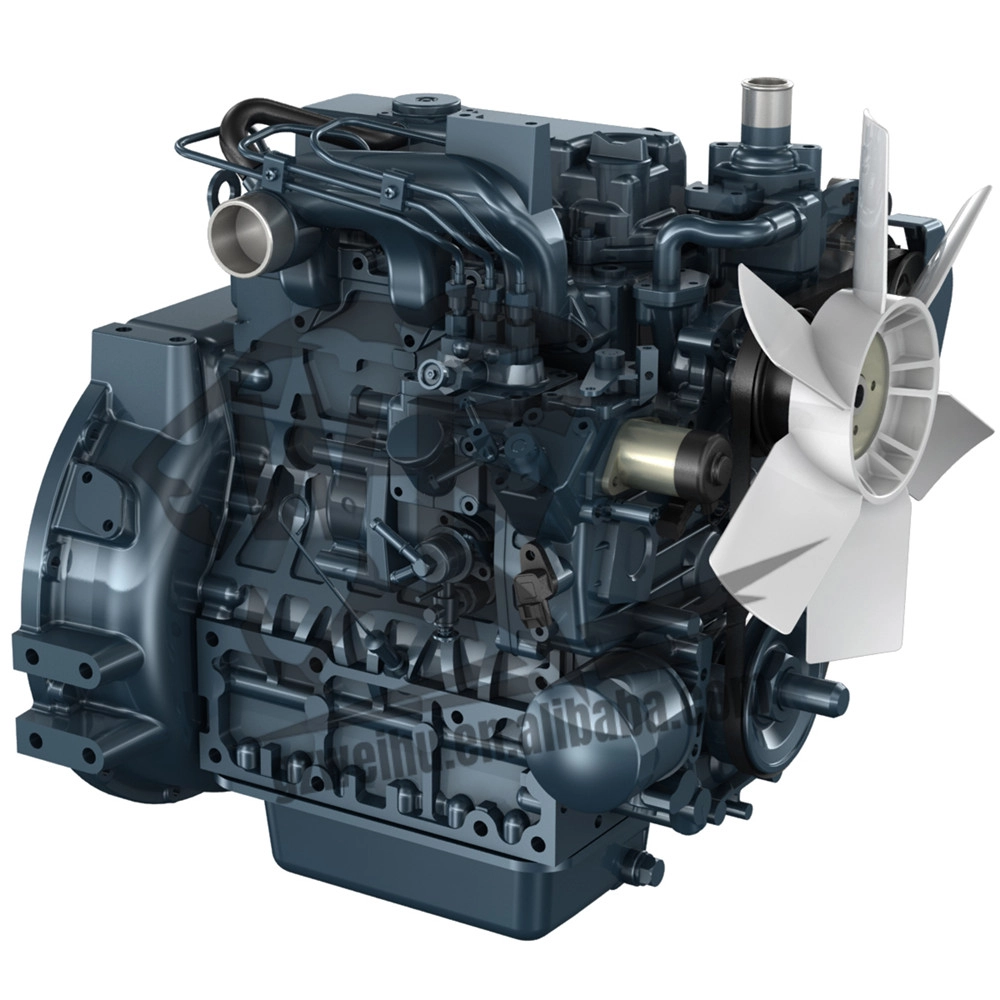
Upgrading Heavy Equipment with Engineered Diesel Solutions
Prdoucts Categories
Question you may concern
FAQ
Are your parts compatible with all excavator brands?
Weihuparts strives to offer parts compatible with a wide range of excavator brands and models. However, we recommend checking the product specifications or consulting with our team to ensure compatibility with your specific excavator.
Do you provide warranties on your products?
Yes, we stand by the quality of our products. Most parts come with a warranty that covers manufacturing defects. Please refer to the specific warranty information provided with your purchase or contact our customer service team for details.
How can I place an order?
You can place an order through our user-friendly online platform or by contacting our sales team directly. Simply browse our catalog, select the parts you need, and follow the checkout process to complete your order.
Do you provide installation services for your parts?
While we do not offer installation services directly, we can recommend qualified professionals or resources to assist you with the installation of our parts. Our customer support team can provide guidance on finding local service providers.
What is your shipping policy?
We offer a variety of shipping options to meet your needs. Orders are typically processed within [insert processing time] days, and delivery times may vary based on your location. We will provide you with tracking information once your order has shipped.
You may also like
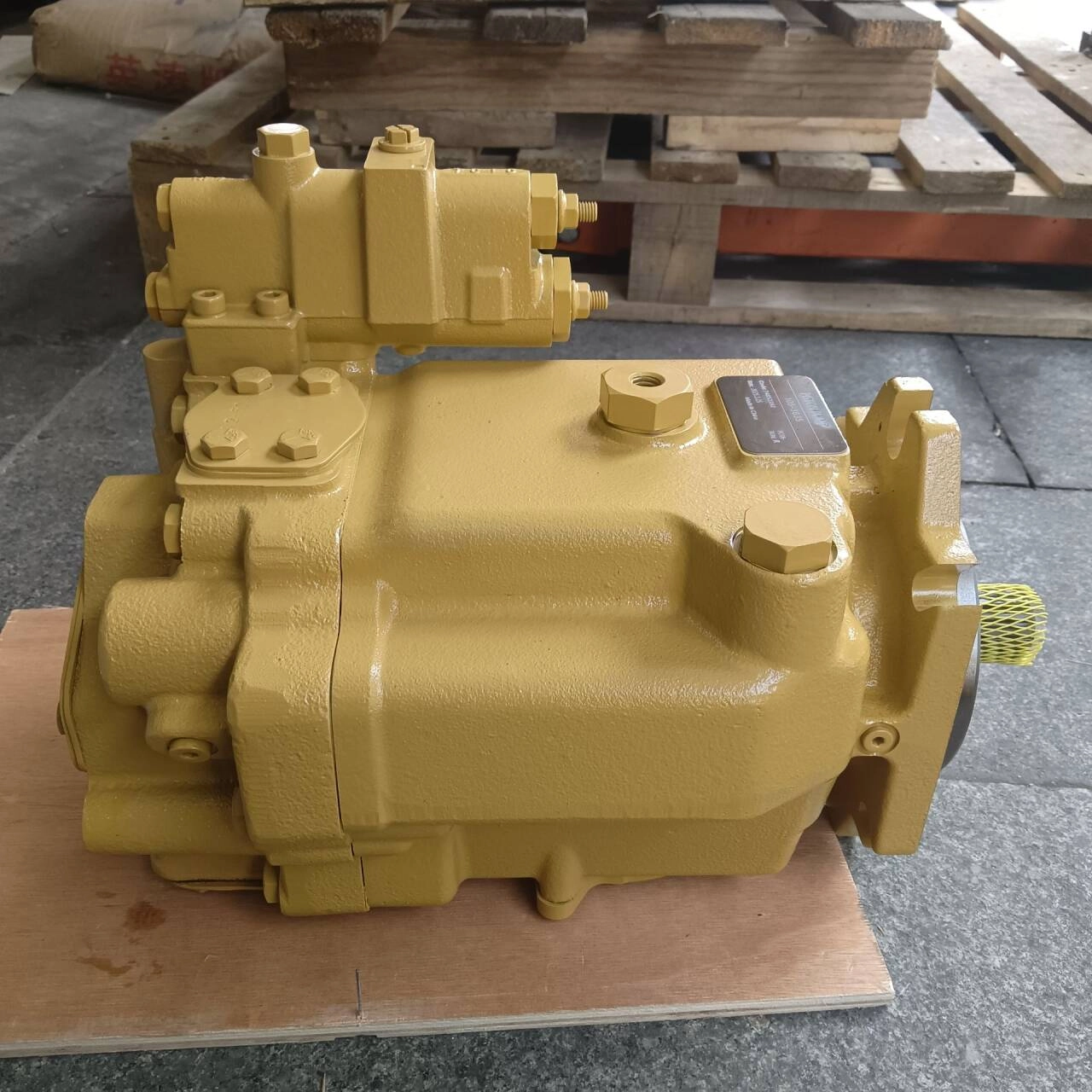
CAT 980H Hydraulic Pump | Heavy-Duty Loader Replacement Part
The CAT 980H and 980G hydraulic pumps are engineered to provide optimal hydraulic power and durability for Caterpillar loaders. Built with premium materials and precision manufacturing, these pumps are ideal for OEM replacements and high-quality aftermarket upgrades. They ensure smooth hydraulic operation and reliable performance in demanding construction environments.
-
✔️ Direct fit for CAT 980H and 980G loaders
-
✔️ Available in OEM and aftermarket versions
-
✔️ High-pressure, heavy-duty hydraulic performance
-
✔️ Manufactured with high-strength alloys and quality seals
-
✔️ Tested for durability and efficiency
-
✔️ Fast global shipping and excellent customer support
- 🛒 Order your CAT 980H & 980G Hydraulic Pump now!
📞 Contact us for bulk orders, technical support, or custom requests.
📦 Fast worldwide shipping | OEM & aftermarket options available -
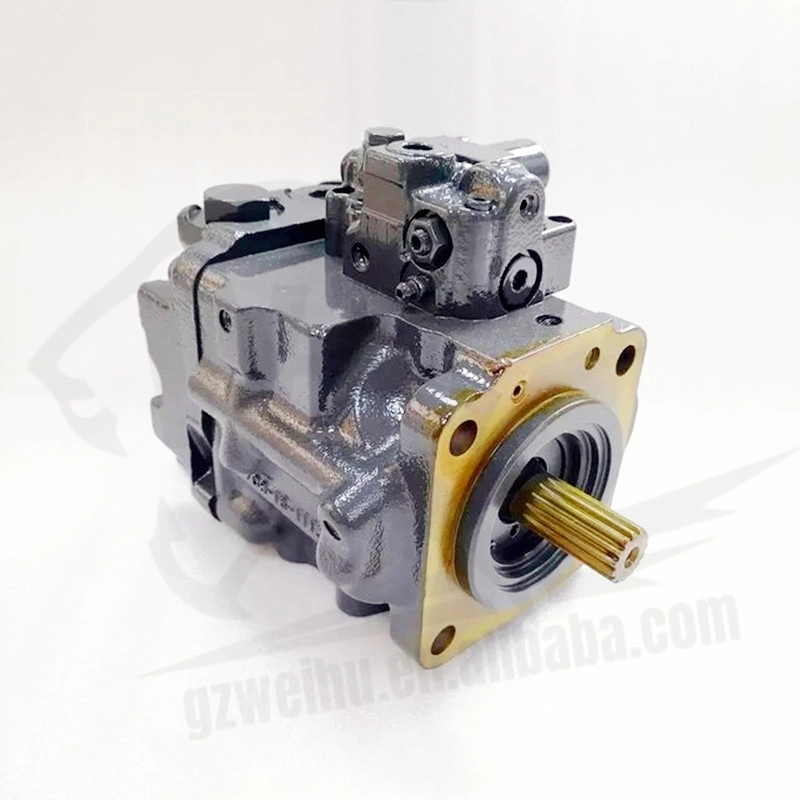
Doosan DX65 Excavator Hydraulic Pump | High-Performance Main Pump
The DX65 hydraulic pump is designed for Doosan DX65 mini excavators, delivering reliable and consistent hydraulic power for smooth machine operation. Whether you're replacing a worn pump or upgrading for enhanced performance, our OEM and aftermarket DX65 pumps offer durability, compatibility, and affordability. Each pump is manufactured using high-quality materials and precision engineering, ensuring long service life and reduced downtime.
-
✔️ 100% fit for Doosan DX65 excavators
-
✔️ Axial piston pump – compact and powerful
-
✔️ OEM & high-quality aftermarket versions available
-
✔️ Tested for pressure, performance & fluid consistency
-
✔️ Precision-sealed with robust alloy components
-
✔️ Global shipping with safe wooden packaging
- 🚜 Order Your Doosan DX65 Hydraulic Pump Today – Performance You Can Trust
📞 Contact Us for stock availability, bulk pricing, or compatibility check
🌍 Fast Global Shipping | OEM & Aftermarket | Secure Payment Options -
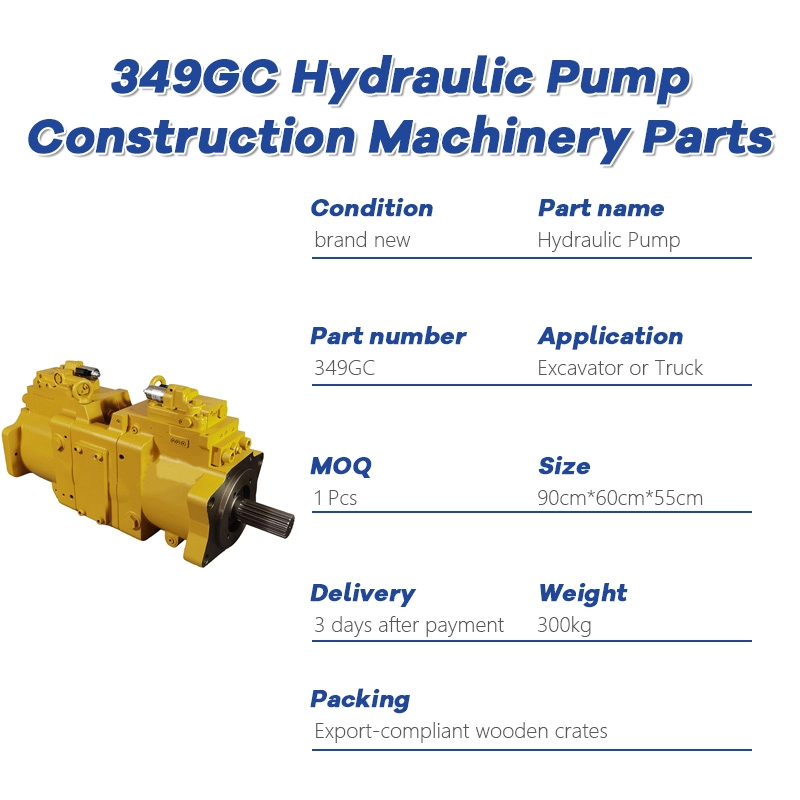
Hydraulic Pump for CAT 349GC | Reliable Performance, Fast Shipping
The CAT 349GC hydraulic pump is engineered to deliver efficient and reliable hydraulic power for Caterpillar 349GC excavators. Manufactured using premium materials and precision engineering, this pump is suitable for OEM replacement or high-quality aftermarket upgrades. It ensures smooth hydraulic flow, durability, and optimal performance even in the most demanding working conditions.
-
✔️ Direct fit for CAT 349GC excavators
-
✔️ OEM and aftermarket options available
-
✔️ High-pressure performance for heavy-duty applications
-
✔️ Manufactured with high-strength alloys and quality seals
-
✔️ Tested for reliability and longevity
-
✔️ Fast global shipping and responsive customer support
- 🚜 Order your CAT 349GC Hydraulic Pump now!
📞 Contact us for bulk pricing, customization, and technical support.
📦 Worldwide shipping available. OEM & aftermarket options.
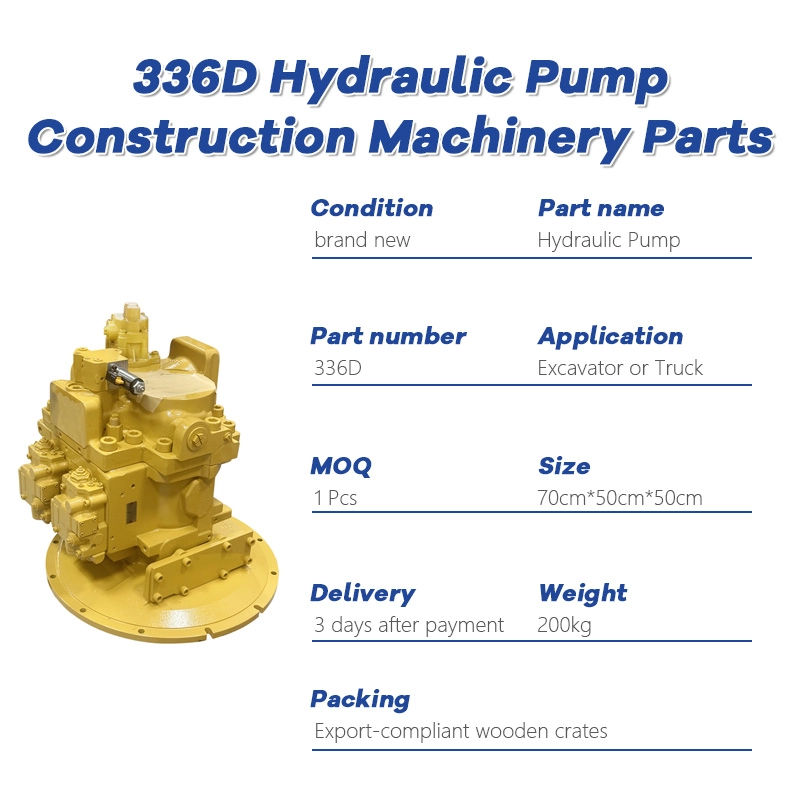
336D Excavator Hydraulic Pump | Heavy Duty CAT Replacement
This CAT 336D hydraulic pump is built for power, durability, and optimal performance. It is designed to fit Caterpillar 336D excavators and is available in both OEM and high-quality aftermarket versions. Whether you're replacing a damaged pump or upgrading your hydraulic system, this part ensures long-lasting and reliable operation in demanding construction environments.
-
✔️ Direct fit for CAT 336D excavators
-
✔️ Available in OEM or premium aftermarket
-
✔️ High-pressure performance for heavy-duty operations
-
✔️ Smooth and efficient hydraulic flow
-
✔️ Rigorously tested for quality and durability
-
✔️ Global shipping and responsive support
-
Get in touch with us
If you have any comments or good suggestions, please leave us a message, later our professional staff will contact you as soon as possible.
To be a happy enterprise in the field of engineering equipment.
Weihuparts delivers efficient and reliable service at each stage to meet the customer's needs.