

jackhuang5919@gmail.com
Hydraulic Pump Performance Metrics to Track in 2026
A practical guide for equipment managers and engineers on the hydraulic pump metrics to monitor in 2026. Covers key KPIs (flow, pressure, efficiency, contamination, vibration), sensor selection, calculation examples, technology trends (IoT, predictive maintenance), and a decision matrix for replacement hydraulic pumps. Includes how Weihuparts supports uptime with excavator hydraulic pump and engine parts.
- Optimizing Excavator Hydraulic Systems: Key Metrics for 2026
- Why monitor hydraulic pump performance? (keyword: hydraulic pump reliability)
- Core hydraulic pump metrics to monitor in 2026 (keyword: hydraulic pump performance)
- How to calculate pump efficiencies (keyword: hydraulic pump efficiency)
- Which sensors and telemetry should you deploy? (keyword: buy hydraulic pump sensors)
- Condition-based maintenance: turning metrics into actions (keyword: replacement hydraulic pump)
- Pump type decision matrix for replacements (keyword: buy hydraulic pump)
- Technology trends to adopt in 2026 (keyword: hydraulic pump IoT)
- How Weihuparts supports hydraulic pump uptime for excavator fleets (keyword: excavator parts hydraulic pump)
- Why choose Weihuparts for hydraulic pump and engine components (keyword: hydraulic pump parts)
- Procurement and spare parts strategy: practical checklist (keyword: buy hydraulic pump)
- FAQ — Common questions about hydraulic pump performance in 2026
- 1. What single metric best predicts hydraulic pump failure?
- 2. How often should I measure ISO contamination codes?
- 3. Can I retrofit sensors to older excavators to monitor pumps?
- 4. When should I repair a pump versus replace with a new hydraulic pump?
- 5. How does fluid temperature affect pump life?
- 6. What sample rate is needed for flow and pressure telemetry?
- 7. How do I validate a new pump after installation?
- Contact & Product Access
- References
Optimizing Excavator Hydraulic Systems: Key Metrics for 2026
As fleets become smarter and operational windows tighten, tracking the right hydraulic pump metrics is essential for maintaining uptime, controlling fuel and energy costs, and extending component life. This guide focuses on the performance indicators every maintenance manager, procurement specialist, and reliability engineer should track for hydraulic pump reliability in 2026 — with actionable thresholds, measurement methods, calculation examples, and technology recommendations tailored for excavator parts and heavy equipment fleets.
Why monitor hydraulic pump performance? (keyword: hydraulic pump reliability)
Downtime from hydraulic failures is costly: unscheduled machine loss, part replacement, and secondary damage to actuators and hydraulic lines. Monitoring hydraulic pump performance helps detect degradation early, avoid catastrophic failures, and optimize replacement timing for hydraulic pump parts. According to industry analyses, condition-based monitoring can reduce hydraulic-related downtime by up to 30% and maintenance costs by 10–25% depending on fleet size and maturity (see references).
Core hydraulic pump metrics to monitor in 2026 (keyword: hydraulic pump performance)
The following metrics are high-priority for excavator hydraulic pumps. Each metric includes what to measure, recommended sensors, sample thresholds, and suggested corrective actions.
| Metric | What to Measure | Sensors / Method | Typical Thresholds / Alarm | Action on Alarm |
|---|---|---|---|---|
| Flow rate (Q) | Actual output flow vs theoretical | Inline flow sensor, ultrasonic flowmeter | Deviation > 10% from baseline | Check volumetric leakage, wear, and control valves |
| Pressure (P) | System pressure, peak/relief activity | Pressure transducers (0–700 bar as needed) | Repeated relief trips or unstable pressure | Inspect relief valve, pump swashplate/porting |
| Volumetric efficiency (%) | Q_actual / Q_theoretical | Flow + pump speed sensor | < 90% for piston pumps; < 80% for gear pumps | Assess internal leakage, replace worn parts |
| Mechanical efficiency (%) | Hydraulic power / input power | Torque sensor (input), flow & pressure | Significant drop vs baseline | Inspect bearings, shaft wear, misalignment |
| Oil temperature | Bulk oil and local pump temp | Thermocouples, RTDs | Continuous > 75–80°C (adjust for oil spec) | Check cooling, viscosity, and contamination |
| Contamination (ISO 4406 code) | Particle counts by size (≥4, ≥6, ≥14 µm) | Inline particle counters, lab analysis | ISO class worse than system spec (e.g., 18/16/13) | Change filters, flush reservoir, source check |
| Vibration & noise | Accelerometer RMS, spectral features | Accelerometers, acoustic sensors | High-frequency spikes or rising RMS | Check cavitation, misalignment, mounting |
| Leakage & suction cavitation | Pressure dips, noise, flow pulsation | Pressure sensors, acoustic detection | Recurring low suction pressure or noise | Inspect suction line, strainer, NPSHa |
Note: thresholds vary with pump type (gear, vane, piston) and manufacturer specs. Baselines should be recorded after installation for accurate trending.
How to calculate pump efficiencies (keyword: hydraulic pump efficiency)
Three commonly used efficiencies are volumetric, mechanical, and overall (hydraulic) efficiency. Formulas below are standard and verifiable by measuring flow, pressure, and input power.
- Volumetric efficiency (ηv) = Q_actual / Q_theoretical. Q_theoretical = displacement × shaft speed.
- Mechanical efficiency (ηm) = (Theoretical torque to overcome hydraulic forces) / (Input torque). Practically, ηm = (hydraulic power / (theoretical hydraulic power for ideal pump)) corrected for losses.
- Overall efficiency (ηo) = Hydraulic power output / Input power. Hydraulic power = Pressure (bar) × Flow (L/min) × 0.006 (kW). Input power measured at pump drive (kW).
Example calculation (practical): a piston pump with displacement 150 cc/rev at 1500 rpm (theoretical flow = 150 cc/rev × 1500 rev/min = 225,000 cc/min = 225 L/min). If measured flow is 207 L/min, ηv = 207 / 225 = 0.92 (92%). If system pressure = 200 bar, hydraulic power = 200 × 207 × 0.006 = 248.4 kW × 0.006 = 248.4? (Correction: use proper unit conversion) — correctly: Hydraulic power (kW) = Pressure (bar) × Flow (L/min) / 600. So 200 × 207 / 600 = 69 kW. If input power measured at drive = 80 kW, overall efficiency ηo = 69 / 80 = 86.25%.
Always verify conversions: 1 bar × 1 L/min = 1/600 kW.
Which sensors and telemetry should you deploy? (keyword: buy hydraulic pump sensors)
To create a practical monitoring network for hydraulic pumps on excavators, combine these elements:
- Pressure transducers (high accuracy, ±0.5%): monitor system and suction pressures.
- Inline flow meters (non-intrusive ultrasonic or turbine): measure actual pump output.
- Temperature sensors (RTD or thermistor): oil and pump housing temperatures.
- Particle counters for contamination (portable or inline): measure ISO cleanliness codes.
- Accelerometers and acoustic sensors: detect cavitation, bearing faults, and looseness.
- Torque/power sensors on drive (where feasible): compute mechanical and overall efficiency.
- Edge gateway & telematics: local preprocessing to reduce bandwidth, cloud analytics for trend detection.
Sampling strategy: use continuous sampling for pressure and temperature; sample vibration at high frequency (kHz when possible) for spectral analysis; sample flow at sufficient rate to capture pulses (≥10 Hz). Retain historical data for at least 12 months to support trend baselining and ML models.
Condition-based maintenance: turning metrics into actions (keyword: replacement hydraulic pump)
Collecting metrics is only useful when tied to actionable maintenance workflows. Recommended steps:
- Baseline: document new-pump metrics at commissioning under standard operating conditions.
- Thresholds & Alerts: set multi-level alerts (informational, warning, critical) with clear corrective actions.
- Root Cause Workflows: link alarms to diagnostic checklists (e.g., low volumetric efficiency → check suction strainer → measure pressure drop).
- Spare Parts Strategy: maintain inventory for high-failure items (seals, bearings, replacement hydraulic pump units) based on MTTR and supply lead times.
- Continuous Improvement: review failure modes quarterly and update metrics and preventive tasks in CMMS.
Pump type decision matrix for replacements (keyword: buy hydraulic pump)
Selecting the right replacement hydraulic pump means balancing efficiency, cost, and application. The table below compares common types used in excavators.
| Pump Type | Typical Efficiency (overall) | Pros | Cons | Best Use |
|---|---|---|---|---|
| Gear pump | ~70–85% (varies) | Simple, low cost, robust | Lower volumetric efficiency, noise, wear | Low-pressure circuits, auxiliary functions |
| Vane pump | ~75–88% | Smoother flow, moderate cost | Sensitive to contamination and cavitation | Mid-pressure circuits, steering |
| Piston pump | ~85–95% (especially axial piston swashplate) | High efficiency, adjustable displacement | Higher cost, more complex | Main drive circuits, high-pressure hydraulics |
Use this decision matrix together with measured metrics (efficiency, contamination, pressure surges) to choose when to repair versus replace and which pump type suits a given duty cycle.
Technology trends to adopt in 2026 (keyword: hydraulic pump IoT)
Key trends shaping hydraulic pump reliability include:
- Edge analytics to reduce latency and allow local alarms when connectivity is limited.
- AI-based anomaly detection that uses multivariate signals (pressure + vibration + temp) rather than single-point thresholds.
- Standardized telemetry (MQTT, OPC-UA) and cloud platforms that integrate with CMMS for automated work orders.
- Smart filters and real-time contamination monitoring for proactive fluid management.
Adopting these technologies allows fleets to shift from time-based maintenance to predictive replacement strategies that decrease lifecycle costs and part consumption.
How Weihuparts supports hydraulic pump uptime for excavator fleets (keyword: excavator parts hydraulic pump)
Weihuparts serves as a reliable partner for global clients in the excavator spare parts sector. We provide a comprehensive selection of excavator parts designed to support a variety of operational needs, whether for routine tasks or high-performance excavator systems.
With a focus on quality, cost-effectiveness, and timely delivery, Weihuparts is dedicated to supporting businesses by ensuring the availability of essential parts to keep machinery running smoothly.
Weihuparts places a strong emphasis on innovative R&D, continually advancing the design and performance of excavator parts. With a dedicated team of engineers and technicians, the company focuses on developing high-quality, durable, and efficient components that meet the latest industry standards.
Our vision is to be a leading excavator parts manufacturer and a pioneer in transforming the excavator industry through quality, sustainability, and innovation. We aspire to set a global standard for service and reliability in the excavator parts market, creating lasting partnerships and ensuring that our solutions contribute to the success of every project we serve.
Why choose Weihuparts for hydraulic pump and engine components (keyword: hydraulic pump parts)
Weihuparts combines product breadth, manufacturing control, and technical support to deliver competitive advantages:
- Quality assurance: components engineered to meet OEM tolerances and verified by incoming/outgoing inspection.
- Cost-effectiveness: manufacturing scale and efficient supply chains reduce replacement hydraulic pump costs without compromising quality.
- R&D & technical support: in-house engineering for performance optimization and compatibility across drive systems.
- Reliable delivery: logistics processes that minimize lead time for critical excavator parts.
Main products relevant to hydraulic reliability include hydraulic pump assemblies, engine assembly parts, and complete excavator engines — all critical to restoring machine performance quickly and reliably.
Procurement and spare parts strategy: practical checklist (keyword: buy hydraulic pump)
To reduce downtime and lifecycle cost, follow this procurement checklist:
- Keep at least one certified replacement hydraulic pump per high-use machine type when lead time > 2 weeks.
- Stock common wear parts (seals, bearings, filter elements) sized to expected failure rates (MTTF).
- Use OEM or OEM-equivalent parts validated for pressure and contamination tolerance.
- Maintain a supplier like Weihuparts with documented quality controls and R&D backing.
Having the right parts on-hand coupled with metric-driven maintenance reduces emergency procurement, lowers High Quality shipping costs, and protects the rest of the hydraulic circuit from collateral damage.
FAQ — Common questions about hydraulic pump performance in 2026
1. What single metric best predicts hydraulic pump failure?
There is no single predictor. Multivariate trends (declining volumetric efficiency combined with rising contamination and increasing vibration) are the most reliable early-warning indicators.
2. How often should I measure ISO contamination codes?
For heavy-duty excavators, check ISO cleanliness weekly to monthly depending on duty and change filter elements and fluid according to contamination trends. Inline particle counters enable continuous or scheduled checks.
3. Can I retrofit sensors to older excavators to monitor pumps?
Yes. Pressure transducers, temperature sensors, inline flow meters, and vibration sensors can be retrofitted, and data can be aggregated using a local gateway to feed cloud-based analytics.
4. When should I repair a pump versus replace with a new hydraulic pump?
Repair is economical if wear is limited to seals, bearings, or serviceable cartridges and expected life is recoverable. Replace when volumetric efficiency is permanently degraded, internal component dimensions exceed tolerances, or when downtime and collateral repair costs justify a rebuild or new unit.
5. How does fluid temperature affect pump life?
High operating temperatures accelerate oil degradation and increase wear. Keep oil temperature within manufacturer-recommended ranges, improve cooling if sustained temperatures are high, and use fluids with proper viscosity index to maintain film strength.
6. What sample rate is needed for flow and pressure telemetry?
Pressure should be sampled at least 10 Hz for typical excavator tasks; vibration requires kHz-range sampling for spectral diagnostics. Flow sampling at 5–10 Hz captures typical control pulses; higher rates are beneficial for detailed analysis.
7. How do I validate a new pump after installation?
Record baseline flow, pressure, efficiency, vibration, and temperature under a known-load test profile. Use those baselines for ongoing trend comparison.
Contact & Product Access
For technical advice, replacement hydraulic pump units, and spare parts including engine assembly and excavator engine components, contact Weihuparts. Our team can recommend parts based on your monitored metrics and supply certified components to minimize downtime and restore performance.
Phone: +86-XXX-XXXXXXX | Email: sales@weihuparts.com | Visit: https://www.weihuparts.com
References
- Parker Hannifin — Hydraulic Pump Fundamentals. https://www.parker.com (accessed 2025-11-10).
- Eaton Hydraulics — Pump Efficiency and Performance Guide. https://www.eaton.com (accessed 2025-10-30).
- Hydraulics & Pneumatics Magazine — Condition Monitoring Trends for Mobile Hydraulic Systems, 2024. https://www.hydraulicspneumatics.com (accessed 2025-11-05).
- ISO 4406:2017 — Hydraulic fluid power — Fluids — Method for coding the level of contamination by solid particles. https://www.iso.org (accessed 2025-09-12).
- Industry case study — Predictive maintenance reduces hydraulic downtime (aggregated data), 2023. https://www.reliabilityweb.com (accessed 2025-08-20).
Tags
mini excavator diesel engine
mini excavator diesel engine
S4Q2 engine spare parts
S4Q2 engine spare parts
Caterpillar C18 engine
Caterpillar C18 engine
A10V071 Rexroth hydraulic pump parts
A10V071 Rexroth hydraulic pump parts
CAT 320D SBS120 hydraulic pump replacement
CAT 320D SBS120 hydraulic pump replacement
6D107E-1 diesel engine for excavators
6D107E-1 diesel engine for excavators
Recommended for you
Selecting Genuine vs Aftermarket Excavator Engine Parts
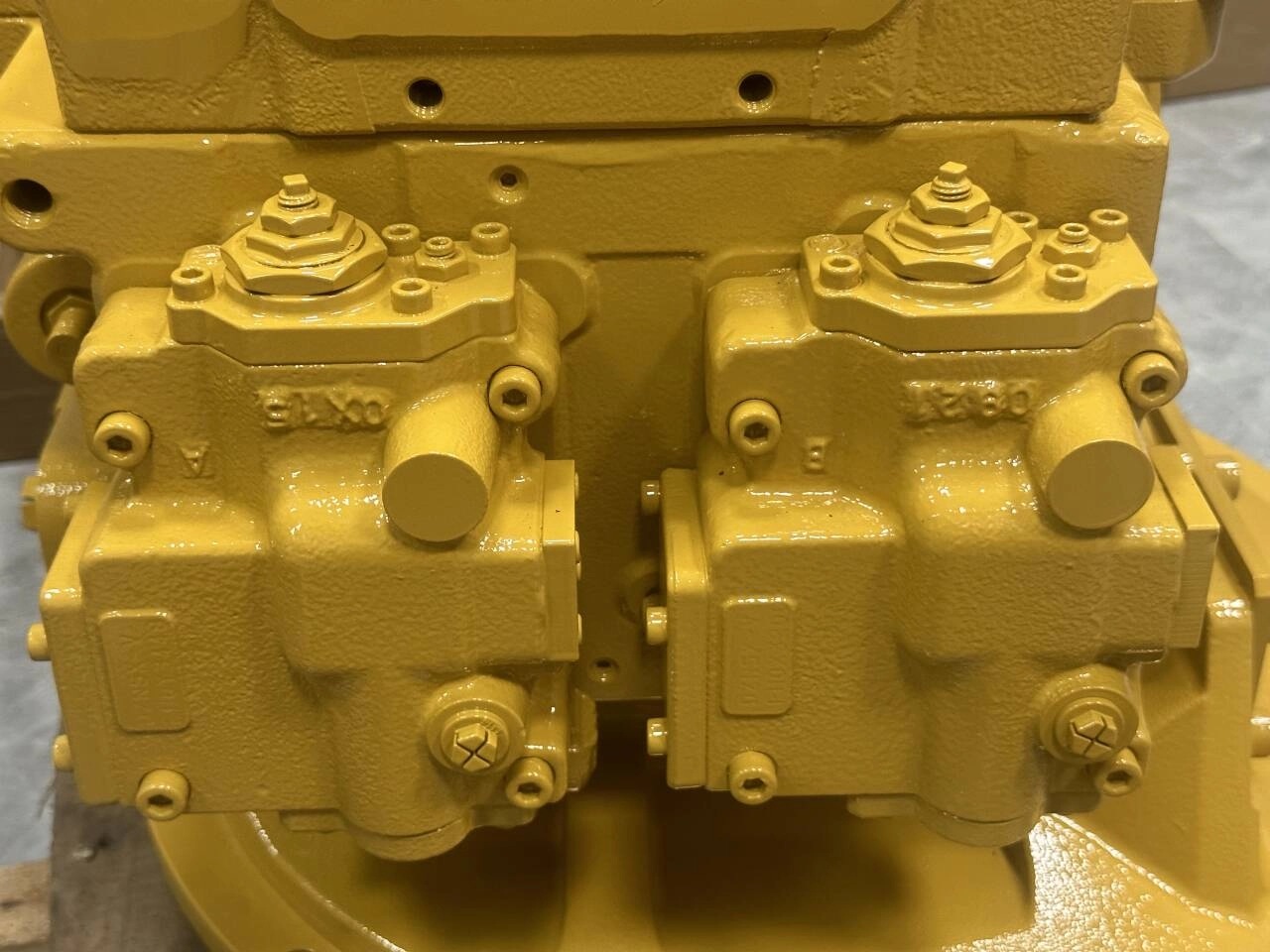
Hydraulic Pump Testing Standards Buyers Should Require
Buying Guide: Where to Source Excavator Hydraulic Pumps
Where to Buy hydraulic fluid pump
Prdoucts Categories
Question you may concern
FAQ
Do you provide installation services for your parts?
While we do not offer installation services directly, we can recommend qualified professionals or resources to assist you with the installation of our parts. Our customer support team can provide guidance on finding local service providers.
What types of excavator parts do you offer?
Weihuparts provides a comprehensive range of excavator parts, including but not limited to buckets, hydraulic components, undercarriage parts, and engine components. Our goal is to be your one-stop solution for all excavator needs.
What is your shipping policy?
We offer a variety of shipping options to meet your needs. Orders are typically processed within [insert processing time] days, and delivery times may vary based on your location. We will provide you with tracking information once your order has shipped.
Do you provide warranties on your products?
Yes, we stand by the quality of our products. Most parts come with a warranty that covers manufacturing defects. Please refer to the specific warranty information provided with your purchase or contact our customer service team for details.
How do I know which parts I need for my excavator?
If you are unsure which parts are needed, our knowledgeable customer support team can assist you. You can provide us with your excavator model and any relevant details, and we will help you identify the correct parts.
You may also like
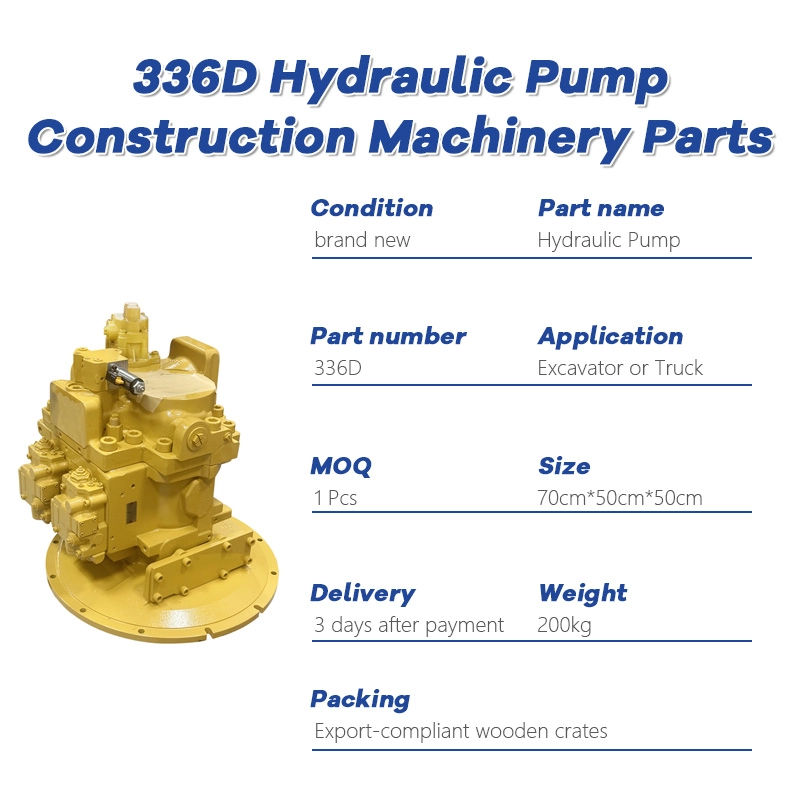
336D Excavator Hydraulic Pump | Heavy Duty CAT Replacement
This CAT 336D hydraulic pump is built for power, durability, and optimal performance. It is designed to fit Caterpillar 336D excavators and is available in both OEM and high-quality aftermarket versions. Whether you're replacing a damaged pump or upgrading your hydraulic system, this part ensures long-lasting and reliable operation in demanding construction environments.
-
✔️ Direct fit for CAT 336D excavators
-
✔️ Available in OEM or premium aftermarket
-
✔️ High-pressure performance for heavy-duty operations
-
✔️ Smooth and efficient hydraulic flow
-
✔️ Rigorously tested for quality and durability
-
✔️ Global shipping and responsive support
-
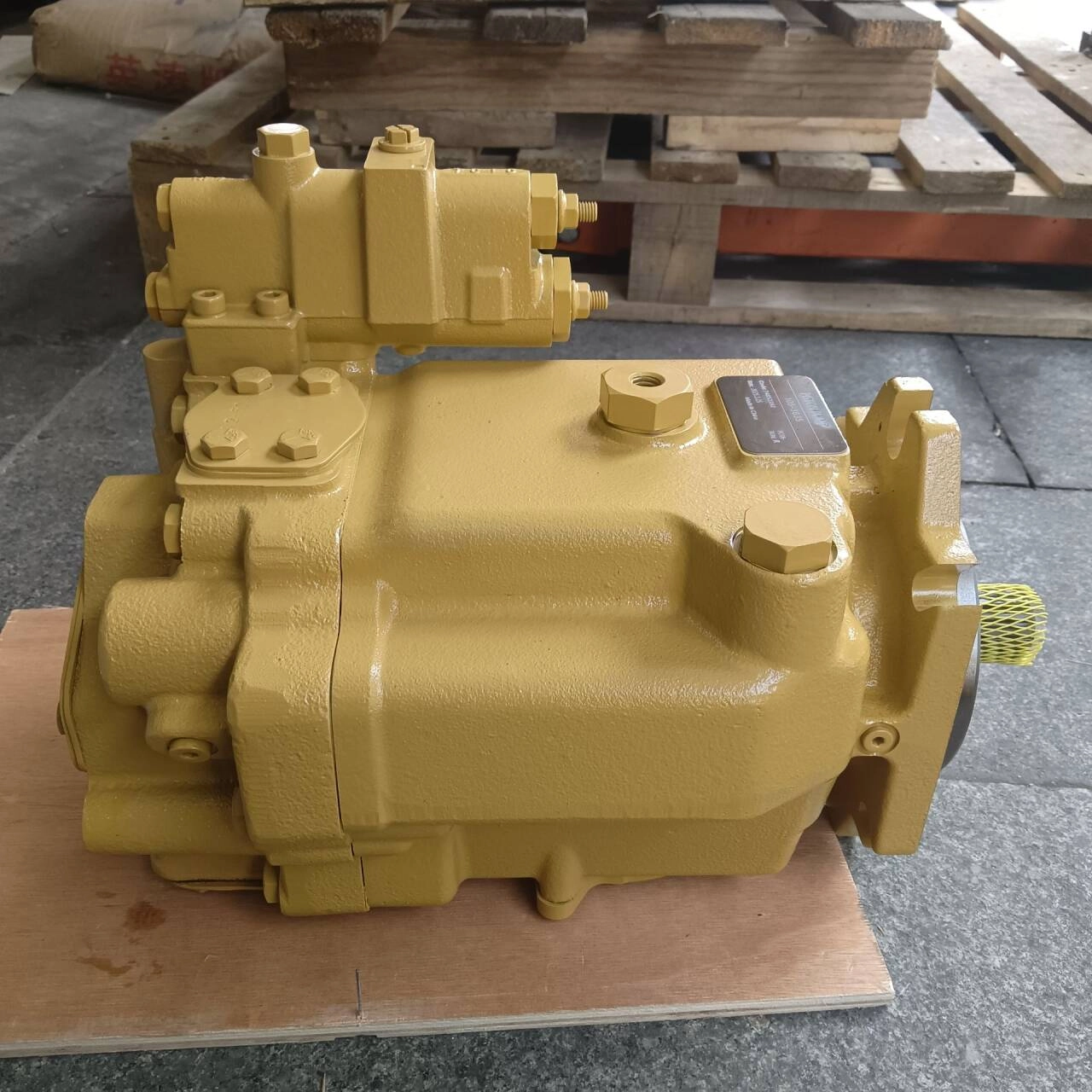
CAT 980H Hydraulic Pump | Heavy-Duty Loader Replacement Part
The CAT 980H and 980G hydraulic pumps are engineered to provide optimal hydraulic power and durability for Caterpillar loaders. Built with premium materials and precision manufacturing, these pumps are ideal for OEM replacements and high-quality aftermarket upgrades. They ensure smooth hydraulic operation and reliable performance in demanding construction environments.
-
✔️ Direct fit for CAT 980H and 980G loaders
-
✔️ Available in OEM and aftermarket versions
-
✔️ High-pressure, heavy-duty hydraulic performance
-
✔️ Manufactured with high-strength alloys and quality seals
-
✔️ Tested for durability and efficiency
-
✔️ Fast global shipping and excellent customer support
- 🛒 Order your CAT 980H & 980G Hydraulic Pump now!
📞 Contact us for bulk orders, technical support, or custom requests.
📦 Fast worldwide shipping | OEM & aftermarket options available -
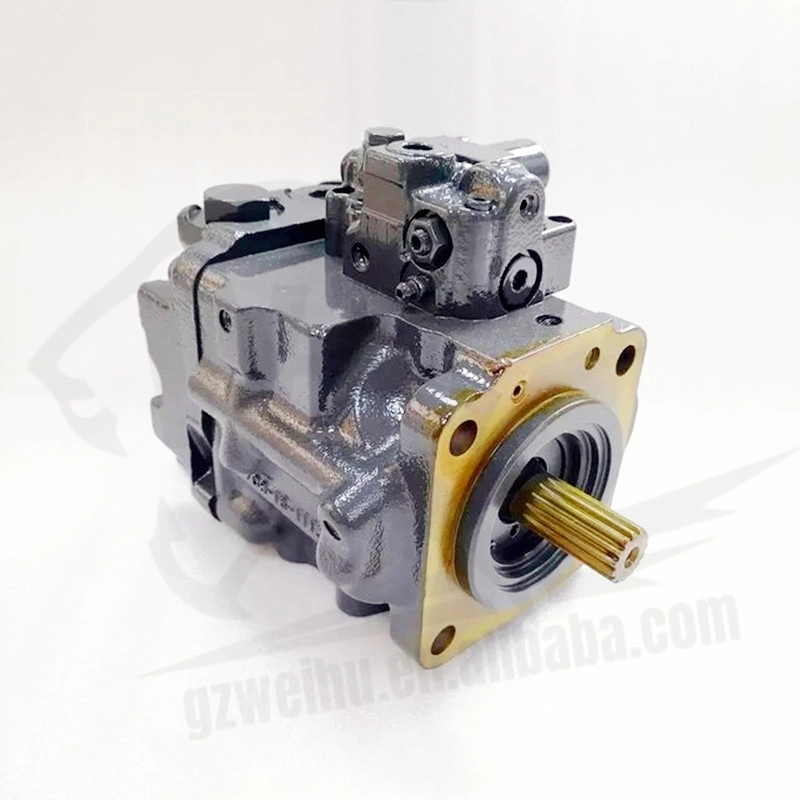
Doosan DX65 Excavator Hydraulic Pump | High-Performance Main Pump
The DX65 hydraulic pump is designed for Doosan DX65 mini excavators, delivering reliable and consistent hydraulic power for smooth machine operation. Whether you're replacing a worn pump or upgrading for enhanced performance, our OEM and aftermarket DX65 pumps offer durability, compatibility, and affordability. Each pump is manufactured using high-quality materials and precision engineering, ensuring long service life and reduced downtime.
-
✔️ 100% fit for Doosan DX65 excavators
-
✔️ Axial piston pump – compact and powerful
-
✔️ OEM & high-quality aftermarket versions available
-
✔️ Tested for pressure, performance & fluid consistency
-
✔️ Precision-sealed with robust alloy components
-
✔️ Global shipping with safe wooden packaging
- 🚜 Order Your Doosan DX65 Hydraulic Pump Today – Performance You Can Trust
📞 Contact Us for stock availability, bulk pricing, or compatibility check
🌍 Fast Global Shipping | OEM & Aftermarket | Secure Payment Options -
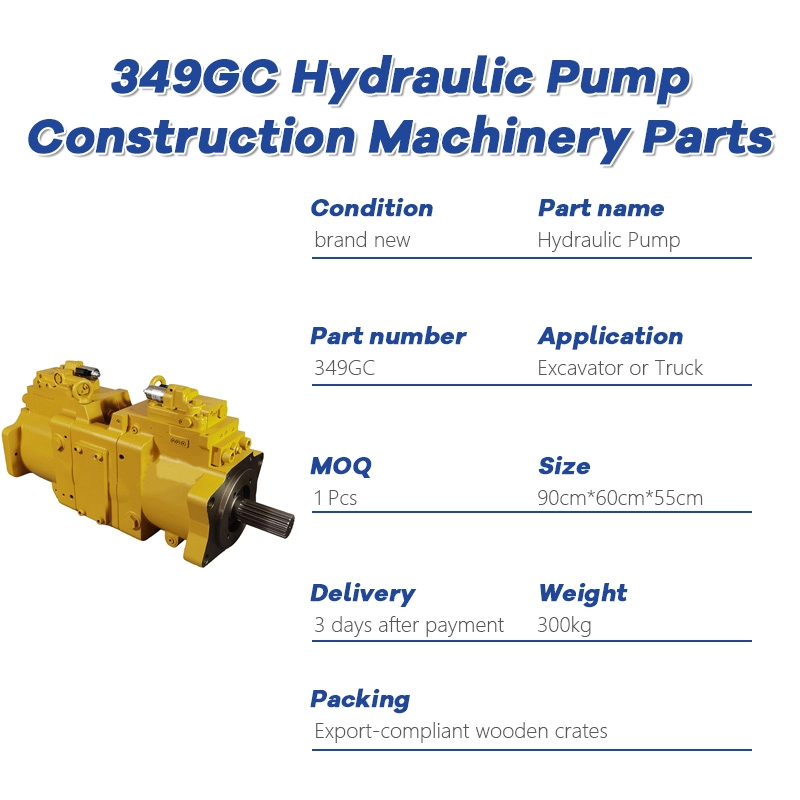
Hydraulic Pump for CAT 349GC | Reliable Performance, Fast Shipping
The CAT 349GC hydraulic pump is engineered to deliver efficient and reliable hydraulic power for Caterpillar 349GC excavators. Manufactured using premium materials and precision engineering, this pump is suitable for OEM replacement or high-quality aftermarket upgrades. It ensures smooth hydraulic flow, durability, and optimal performance even in the most demanding working conditions.
-
✔️ Direct fit for CAT 349GC excavators
-
✔️ OEM and aftermarket options available
-
✔️ High-pressure performance for heavy-duty applications
-
✔️ Manufactured with high-strength alloys and quality seals
-
✔️ Tested for reliability and longevity
-
✔️ Fast global shipping and responsive customer support
- 🚜 Order your CAT 349GC Hydraulic Pump now!
📞 Contact us for bulk pricing, customization, and technical support.
📦 Worldwide shipping available. OEM & aftermarket options.
Get in touch with us
If you have any comments or good suggestions, please leave us a message, later our professional staff will contact you as soon as possible.
To be a happy enterprise in the field of engineering equipment.
Weihuparts delivers efficient and reliable service at each stage to meet the customer's needs.