

jackhuang5919@gmail.com
Impact of Temperature on 336D Hydraulic Pump Lifespan
This article explains how temperature affects the hydraulic pump life on CAT 336D excavators, the mechanisms (viscosity changes, fluid degradation, cavitation, seal wear), practical monitoring and mitigation strategies, and recommendations for selecting and maintaining the 336D Excavator Hydraulic Pump | Heavy Duty CAT Replacement.
- How Temperature Affects Hydraulic Pump Mechanics and Wear
- Viscosity and Lubrication Film Breakdown
- Thermal Degradation and Oxidation of Hydraulic Fluid
- Cavitation, Aeration, and Pressure Pulses
- Operational Ranges and Practical Effects on 336D Hydraulic Pump Lifespan
- Typical Excavator Hydraulic Temperature Bands
- Estimated Relative Lifespan vs. Operating Temperature
- Why These Shifts Matter for 336D Hydraulic Pumps
- Monitoring, Maintenance, and Design Strategies to Extend Pump Life
- Temperature Monitoring and Alarms
- Cooling Systems and Flow Management
- Fluid Selection, Filtration, and Additives
- Choosing Between OEM and Aftermarket Replacements for the 336D
- Quality Differences and Warranty Considerations
- Installation, Testing, and Commissioning Best Practices
- 336D Excavator Hydraulic Pump | Heavy Duty CAT Replacement
- Inspection, Diagnostics, and When to Replace the Pump
- Common Failure Signs Linked to Temperature Stress
- Oil Analysis and Condition-Based Maintenance
- Decision Matrix: Repair vs. Replace
- References and Further Reading
- FAQ
- Q: What is the optimal hydraulic oil temperature range for a CAT 336D?
- Q: Can I use a higher-viscosity oil to protect the pump at high temperatures?
- Q: How often should I change hydraulic fluid in hot climates?
- Q: Are aftermarket 336D pumps reliable under thermal stress?
- Q: What immediate steps should I take if my pump overheats?
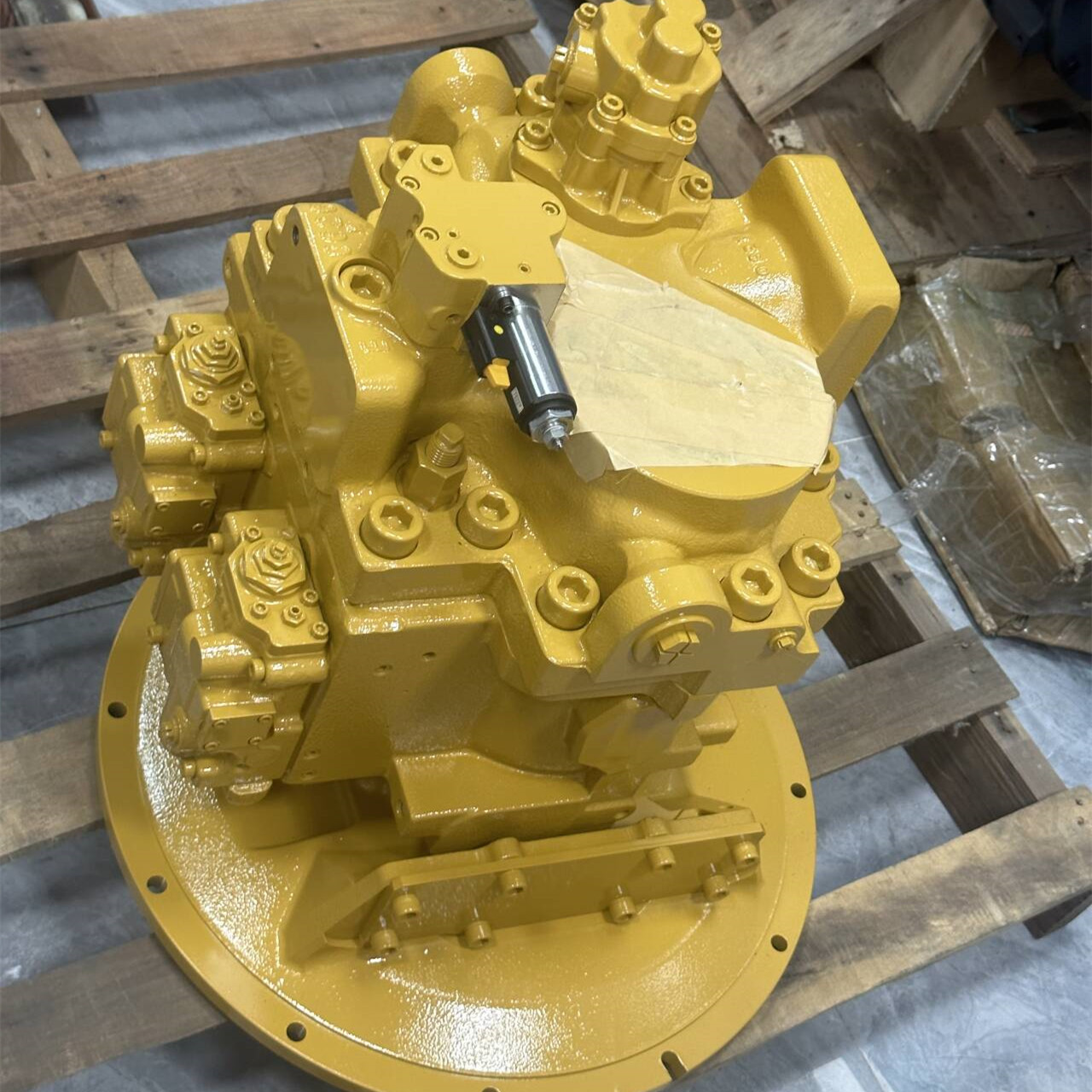
High and low operating temperatures are among the most significant environmental factors that determine the service life of a hydraulic pump. For operators of Caterpillar 336D excavators, understanding the relationship between hydraulic oil temperature, component wear, and pump failure modes is essential for maximizing uptime and minimizing ownership costs. This article examines how temperature modifies fluid properties and mechanical stresses, presents actionable checks and countermeasures, and shows how the 336D Excavator Hydraulic Pump | Heavy Duty CAT Replacement integrates into a durable, high-performance hydraulic system.
How Temperature Affects Hydraulic Pump Mechanics and Wear
Viscosity and Lubrication Film Breakdown
Hydraulic pump function depends on a stable lubrication film between moving parts. Temperature strongly influences oil viscosity: as temperature rises, viscosity drops, thinning the lubricating film and increasing metal-to-metal contact. That accelerates abrasive wear of pump gears, pistons, and cylinder blocks in axial-piston and gear pumps commonly used on excavators. Conversely, at low temperatures oil can be too viscous at startup, increasing hydrodynamic drag, causing poor flow and higher startup loads that stress bearings and drive components.
Thermal Degradation and Oxidation of Hydraulic Fluid
High fluid temperatures accelerate chemical reactions—oxidation and thermal breakdown—that reduce additive effectiveness and create varnish, sludge, and acidic byproducts. These contaminants alter internal clearances and block flow paths, increasing pressure spikes and cavitation risk. Industry resources such as ISO guidance on hydraulic fluids explain why fluid selection and temperature control are part of a reliability strategy (ISO hydraulic fluid standards).
Cavitation, Aeration, and Pressure Pulses
Elevated temperatures lower vapor pressure thresholds and change dissolved gas behavior, making pumps more susceptible to cavitation—formation and collapse of vapor bubbles at high-speed or low-pressure zones. Cavitation causes pitting and noise, rapidly degrading pump surfaces and decreasing volumetric efficiency. Adequate reservoir design, suction conditions, and maintaining proper fluid temperature limits are vital to avoid cavitation-induced failure.
Operational Ranges and Practical Effects on 336D Hydraulic Pump Lifespan
Typical Excavator Hydraulic Temperature Bands
Mobile hydraulic systems like those in a CAT 336D usually run between 40°C and 90°C in normal operating conditions. Short spikes above 90°C can occur under heavy loading or poor cooling. Continuous operation above 100°C is associated with accelerated fluid breakdown and reduced pump life. For specific guidance on Caterpillar machines and best practices, consult the manufacturer resources (Caterpillar).
Estimated Relative Lifespan vs. Operating Temperature
The following table gives a practical, conservative illustration of how relative hydraulic pump life typically varies with average hydraulic fluid temperature. These values are estimative and intended to guide maintenance planning—actual life depends on load cycles, contamination control, and component quality.
| Average Fluid Temperature (°C) | Primary Effects | Estimated Relative Pump Life |
|---|---|---|
| < 40 | High viscosity at startup; increased startup wear; sluggish flow. | 80–95% (risk of early bearing/starter wear) |
| 40–60 | Optimal viscosity range for many hydraulic oils; stable lubrication film. | 100% (best balance of efficiency and life) |
| 60–80 | Acceptable operation; increased oxidation rate begins; monitor fluid condition. | 85–95% (requires more frequent fluid checks) |
| 80–100 | Accelerated oxidation, varnish formation, seal hardening, and cavitation risk. | 60–80% (life shortened; proactive measures needed) |
| >100 | Severe thermal degradation, rapid additive depletion, potential immediate failures. | <50% (high failure risk) |
Why These Shifts Matter for 336D Hydraulic Pumps
The 336D hydraulic pump uses high-pressure components that are sensitive to oil film properties and contamination. When oil temperatures remain in the optimal zone, wear rates are minimized and volumetric efficiency is preserved. If an operator repeatedly runs above the recommended range, even a High Quality aftermarket or OEM pump will see shortened interval between rebuilds or replacements.
Monitoring, Maintenance, and Design Strategies to Extend Pump Life
Temperature Monitoring and Alarms
Install reliable temperature sensors in the hydraulic reservoir and lines feeding the pump. Set alarms for sustained excursions above the recommended band (for example, continuous oil temperature >85°C). Data logging helps correlate temperature events with performance issues, allowing targeted interventions before irreversible damage occurs.
Cooling Systems and Flow Management
Confirm that the radiator/cooler and fan system are functioning and sized appropriately. For severe-duty or hot-climate applications, consider upgraded coolers, thermostatic bypass valves, and larger reservoirs to reduce oil temperature spikes. Proper suction line design—short, straight, and sized to minimize pressure drop—reduces cavitation risk at the pump eye.
Fluid Selection, Filtration, and Additives
Choose hydraulic fluid with an appropriate viscosity grade and a high viscosity index to resist thinning at high temperatures. Fluids meeting mobile hydraulic industry standards and OEM specifications preserve film strength. Employ high-efficiency filtration (e.g., beta 200) and routine particle counts to prevent abrasive wear—contaminants combined with high temperature drastically shorten pump life. See ISO guidance on fluid quality and cleanliness for hydraulic systems (ISO).
Choosing Between OEM and Aftermarket Replacements for the 336D
Quality Differences and Warranty Considerations
Replacement pumps for the CAT 336D are available as OEM and High Quality aftermarket options. OEM parts typically have guaranteed fit and materials traceability, while reputable aftermarket suppliers may offer enhancements (e.g., improved seals or coatings) and cost savings. Evaluate vendor test data, material certifications, and warranty terms when choosing replacements.
Installation, Testing, and Commissioning Best Practices
Proper installation is as important as part quality. Verify pump tolerances, mountings, coupling alignment, and suction conditions. Prime and purge air from the system before loading. After installation, perform break-in procedures and monitor temperatures, pressures, and flow rates. A controlled startup avoids thermal shock and ensures longevity.
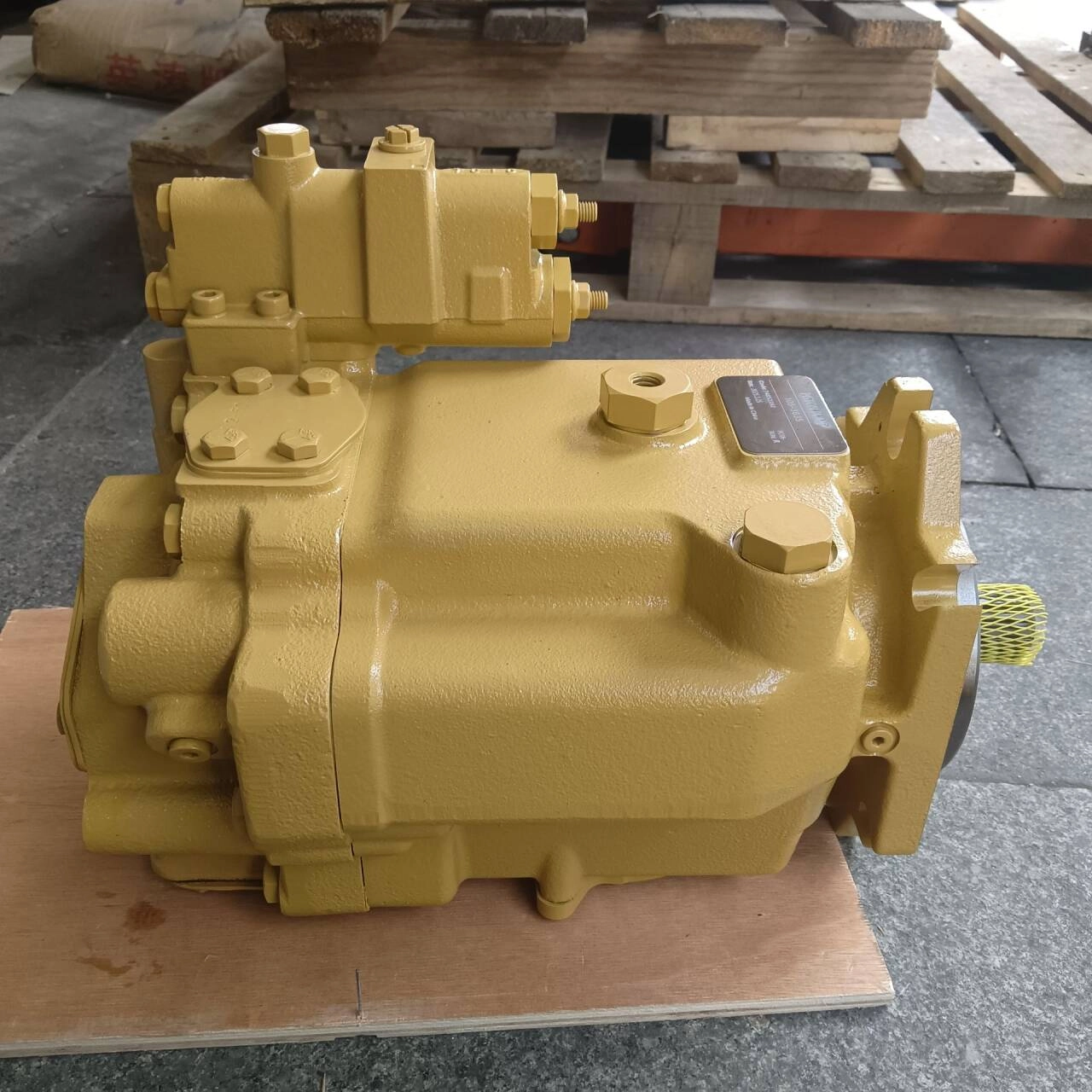
336D Excavator Hydraulic Pump | Heavy Duty CAT Replacement
Product overview:
This CAT 336D hydraulic pump is built for power, durability, and optimal performance. It is designed to fit Caterpillar 336D excavators and is available in both OEM and high-quality aftermarket versions. Whether you\'re replacing a damaged pump or upgrading your hydraulic system, this part ensures long-lasting and reliable operation in demanding construction environments.
- ✔️ Direct fit for CAT 336D excavators
- ✔️ Available in OEM or High Quality aftermarket
- ✔️ High-pressure performance for heavy-duty operations
- ✔️ Smooth and efficient hydraulic flow
- ✔️ Rigorously tested for quality and durability
- ✔️ Global shipping and responsive support
Choosing a heavy-duty replacement that matches the machine\'s intended operating temperatures, and following the maintenance actions described earlier, will deliver the best life expectancy and uptime.
Inspection, Diagnostics, and When to Replace the Pump
Common Failure Signs Linked to Temperature Stress
Watch for these symptoms that often indicate temperature-related damage: increased noise (cavitation), reduced flow or pressure, rising operating temperatures despite cooling, contaminated or varnished oil, and leaks due to hardened or cracked seals. Early detection through oil analysis and visual inspection prevents collateral damage to valves and actuators.
Oil Analysis and Condition-Based Maintenance
Regular oil analysis (viscosity, acid number, particle count, and spectrometric wear metals) provides objective data about the pump\'s health. An increasing acid number or varnish potential suggests thermal oxidation; elevated ferrous particles signal mechanical wear. Use condition thresholds to trigger interventions: fluid change, filter upgrades, or component replacement.
Decision Matrix: Repair vs. Replace
Consider these factors when deciding to rebuild or replace a 336D hydraulic pump:
- Extent of internal damage (pitting, scoring, cracked housings)
- Cost and availability of rebuild vs. High Quality replacement
- Expected future operating temperatures and duty cycle
- Warranty and machine downtime impact
If the pump has sustained thermal-induced damage (varnish, burned seals, or cavitation pitting), a heavy-duty replacement that meets OEM tolerances is often the most reliable long-term choice.
References and Further Reading
- Hydraulic pump — Wikipedia
- ISO hydraulic fluid standards
- Caterpillar — Official resources for parts and maintenance
FAQ
Q: What is the optimal hydraulic oil temperature range for a CAT 336D?
A: For most operating conditions, aim to keep hydraulic fluid between 40°C and 60°C. Temperatures up to 80°C are acceptable but require more frequent fluid monitoring. Continuous operation above 90–100°C significantly shortens pump life.
Q: Can I use a higher-viscosity oil to protect the pump at high temperatures?
A: Higher-viscosity oils increase film thickness but may cause higher energy losses and startup loads. Instead, select a fluid with a high viscosity index that resists thinning with temperature. Follow OEM recommendations and consult the fluid manufacturer for the correct ISO VG grade.
Q: How often should I change hydraulic fluid in hot climates?
A: In consistently hot working conditions (>35°C ambient), shorten fluid change intervals and increase oil analysis frequency. Typical mobile hydraulic fluid change intervals might be halved under severe thermal stress. Rely on oil analysis (viscosity, acid number, and particle counts) to set exact intervals.
Q: Are aftermarket 336D pumps reliable under thermal stress?
A: High Quality aftermarket pumps designed to meet or exceed OEM tolerances can be reliable, but verify materials, seal compounds (temperature ratings), and vendor test data. Proper installation and system temperature control are equally important for durability.
Q: What immediate steps should I take if my pump overheats?
A: Stop operations if safe, let the system cool, check coolant/cooler function, inspect oil for discoloration or odor, and run an oil analysis. Avoid repeated high-temperature cycles until you identify and correct the root cause (cooling failure, airflow blockage, excessive loads).
If you need a dependable replacement part for your excavator, see the 336D Excavator Hydraulic Pump | Heavy Duty CAT Replacement above. Contact our technical sales team for part fitment, shipping options, or to request test data and warranty details. For immediate assistance, contact us or view the product.
Tags
Caterpillar C13 engine for sale
Caterpillar C13 engine for sale
QSL8.9 engine wholesale
QSL8.9 engine wholesale
caterpillar c7 engine parts
caterpillar c7 engine parts
Cat C3.3B-DI-T-ET04 engine
Cat C3.3B-DI-T-ET04 engine
C4.4 engine OEM supplier
C4.4 engine OEM supplier
QSK23 engine assembly wholesale
QSK23 engine assembly wholesale
Recommended for you

Lifecycle cost benefits of original engine assemblies
Best Ways to Extend Hydraulic Pump Lifespan in Excavators 2026

Compatibility and Fitment: ZAX870-5G for Excavator Models

Inspection and Pre-Purchase Checklist for ZAX870-5G Engines
Prdoucts Categories
Question you may concern
FAQ
What is your shipping policy?
We offer a variety of shipping options to meet your needs. Orders are typically processed within [insert processing time] days, and delivery times may vary based on your location. We will provide you with tracking information once your order has shipped.
How can I place an order?
You can place an order through our user-friendly online platform or by contacting our sales team directly. Simply browse our catalog, select the parts you need, and follow the checkout process to complete your order.
Do you offer bulk purchasing options?
Yes, we offer competitive pricing for bulk orders. If you are interested in purchasing large quantities of parts, please contact our sales team to discuss your requirements and receive a customized quote.
How do I know which parts I need for my excavator?
If you are unsure which parts are needed, our knowledgeable customer support team can assist you. You can provide us with your excavator model and any relevant details, and we will help you identify the correct parts.
Do you provide warranties on your products?
Yes, we stand by the quality of our products. Most parts come with a warranty that covers manufacturing defects. Please refer to the specific warranty information provided with your purchase or contact our customer service team for details.
You may also like
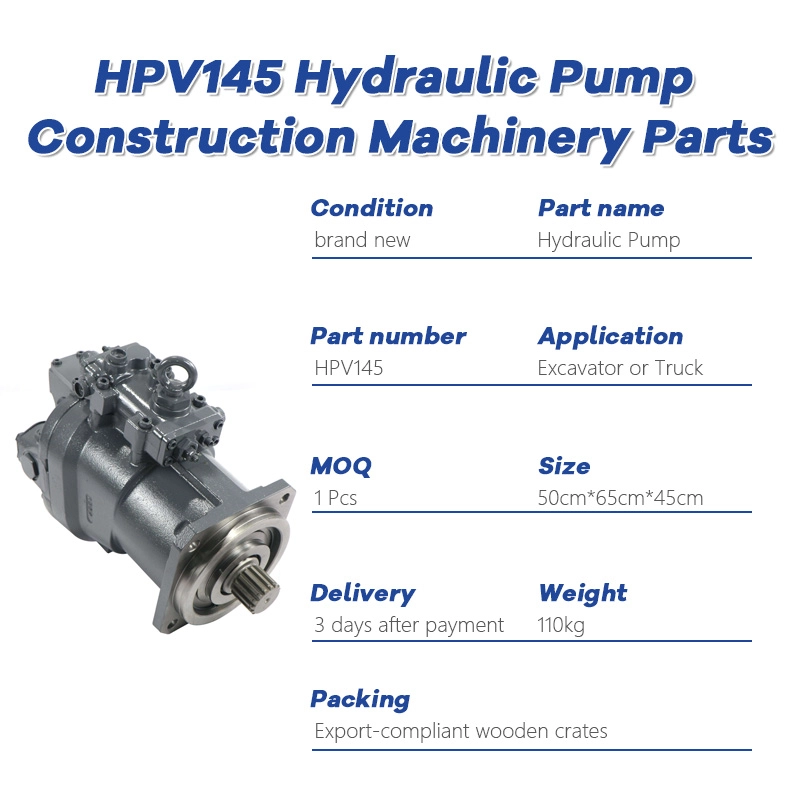
HPV145 Hydraulic Pump (Direct Injection) | Excavator Main Pump Replacement
The HPV145 single pump with direct injection technology is designed for excavators and heavy-duty machinery requiring precise hydraulic control and efficient power delivery. Combining advanced direct injection control with durable axial piston pump construction, this model ensures high performance, long service life, and reliable operation. Available in OEM and aftermarket versions, it is ideal for replacement or system upgrades.
-
✔️ Direct injection electronic control for precise hydraulic output
-
✔️ Suitable for excavators and various heavy machinery
-
✔️ High-pressure axial piston single pump design
-
✔️ OEM and aftermarket options for flexibility and cost-effectiveness
-
✔️ Robust materials and quality seals for long-term durability
-
✔️ Fast worldwide shipping and comprehensive technical support
- 🛒 Order Your HPV145 Direct Injection Single Pump Today – Precision, Durability & Performance
📞 Contact Us for pricing, availability, and technical support
🌍 Fast Global Shipping | OEM & Aftermarket | Secure Payment Options -
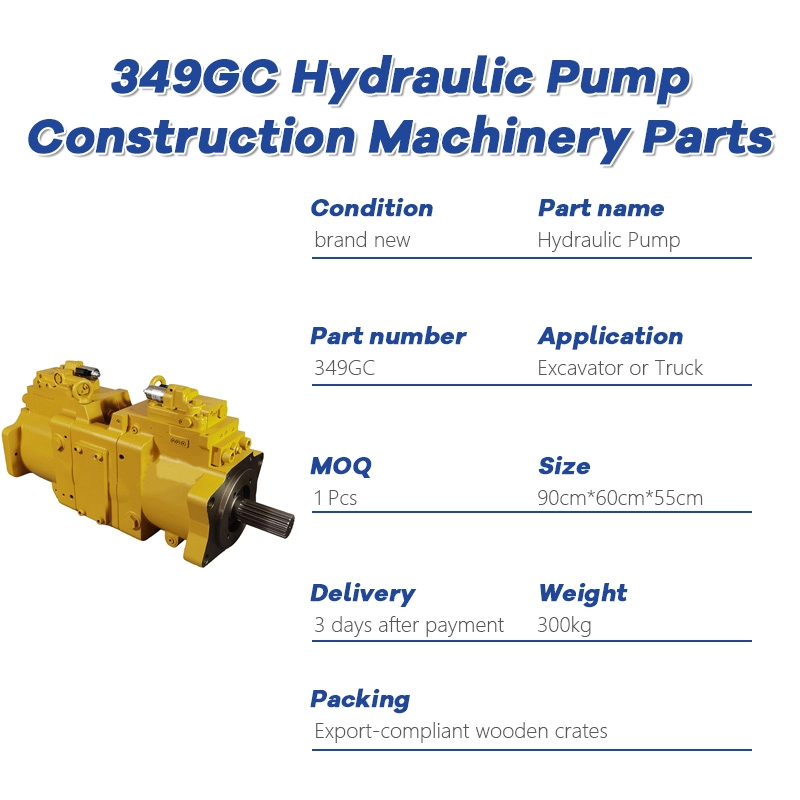
Hydraulic Pump for CAT 349GC | Reliable Performance, Fast Shipping
The CAT 349GC hydraulic pump is engineered to deliver efficient and reliable hydraulic power for Caterpillar 349GC excavators. Manufactured using premium materials and precision engineering, this pump is suitable for OEM replacement or high-quality aftermarket upgrades. It ensures smooth hydraulic flow, durability, and optimal performance even in the most demanding working conditions.
-
✔️ Direct fit for CAT 349GC excavators
-
✔️ OEM and aftermarket options available
-
✔️ High-pressure performance for heavy-duty applications
-
✔️ Manufactured with high-strength alloys and quality seals
-
✔️ Tested for reliability and longevity
-
✔️ Fast global shipping and responsive customer support
- 🚜 Order your CAT 349GC Hydraulic Pump now!
📞 Contact us for bulk pricing, customization, and technical support.
📦 Worldwide shipping available. OEM & aftermarket options.
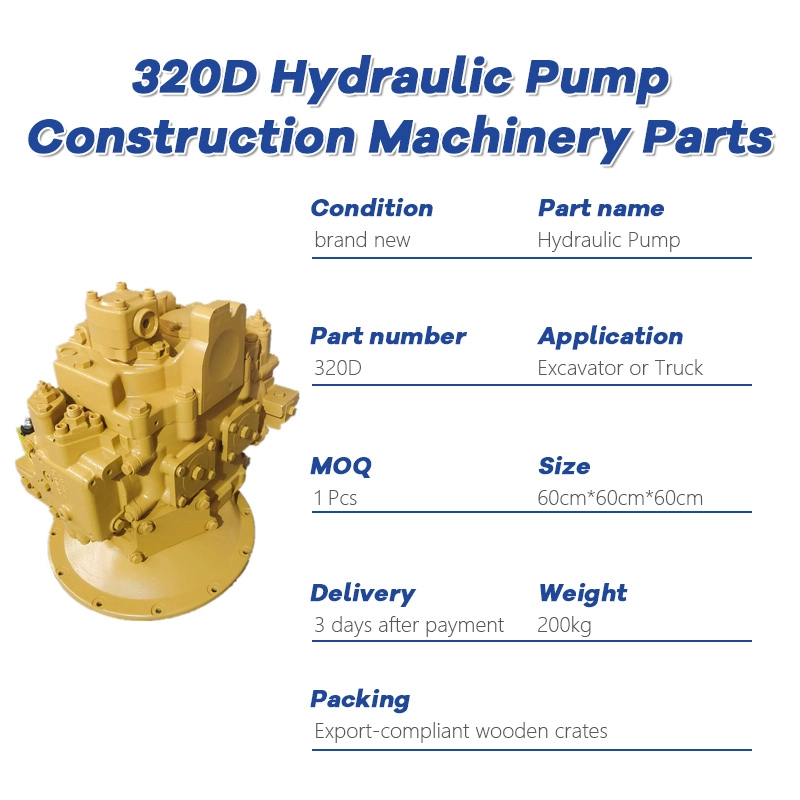
CAT 320D SBS120 Hydraulic Pump for Excavator | High Quality Replacement
This high-performance SBS120 hydraulic pump is specially designed for the CAT 320D excavator. Built with premium materials and precision manufacturing, it ensures reliable power delivery and long-lasting performance in tough construction environments. Ideal as an OEM replacement or aftermarket solution, this pump supports your hydraulic system with smooth, efficient operation.
-
Fits: Caterpillar 320D
-
Model: SBS120
-
Application: Excavator main hydraulic pump
-
Condition: New / Aftermarket available
-
Warranty: 6-12 months (optional)
-
Worldwide shipping available
-
CAT 980H Hydraulic Pump | Heavy-Duty Loader Replacement Part
The CAT 980H and 980G hydraulic pumps are engineered to provide optimal hydraulic power and durability for Caterpillar loaders. Built with premium materials and precision manufacturing, these pumps are ideal for OEM replacements and high-quality aftermarket upgrades. They ensure smooth hydraulic operation and reliable performance in demanding construction environments.
-
✔️ Direct fit for CAT 980H and 980G loaders
-
✔️ Available in OEM and aftermarket versions
-
✔️ High-pressure, heavy-duty hydraulic performance
-
✔️ Manufactured with high-strength alloys and quality seals
-
✔️ Tested for durability and efficiency
-
✔️ Fast global shipping and excellent customer support
- 🛒 Order your CAT 980H & 980G Hydraulic Pump now!
📞 Contact us for bulk orders, technical support, or custom requests.
📦 Fast worldwide shipping | OEM & aftermarket options available -
Get in touch with us
If you have any comments or good suggestions, please leave us a message, later our professional staff will contact you as soon as possible.
To be a happy enterprise in the field of engineering equipment.
Weihuparts delivers efficient and reliable service at each stage to meet the customer's needs.