

jackhuang5919@gmail.com
Common Cat C9 Engine Issues and Professional Diagnostics
This article explains common Cat C9 engine issues, reliable professional diagnostic workflows, and proven repair strategies for the CAT C9 diesel engine. It includes symptom-to-fix tables, maintenance best practices, and how genuine parts and expert diagnostics restore performance and uptime.
- Understanding CAT C9 Platform and Typical Applications
- Design, core systems and key characteristics
- Where the C9 is commonly found
- Product introduction: Original CAT C9 Engine
- 🇬🇧 English Version — Caterpillar C9 Diesel Engine Product Introduction
- Caterpillar C9 Diesel Engine Overview
- Most Common Cat C9 Engine Problems
- Fuel system faults: injectors and fuel delivery
- Turbocharger and air intake issues
- Cooling, head gasket and compression problems
- Professional Diagnostic Workflow and Recommended Fixes
- Step 1: Data collection and fault code analysis
- Step 2: Basic mechanical checks
- Step 3: Advanced tests and component-level diagnosis
- Maintenance Strategies, Parts, and When to Replace
- Routine preventive maintenance
- When to repair vs replace major components
- Genuine parts and warranty considerations
- Symptom-to-Fix Reference and Cost/Time Estimates
- Authoritative References and Further Reading
- FAQ — Common Questions About Cat C9 Engine Issues
- Q: What are the fastest ways to tell if the C9 turbocharger is failing?
- Q: Can I keep running a C9 with a misfiring injector?
- Q: How often should I change filters and fluids on the C9?
- Q: Are aftermarket parts acceptable for repairs?
- Q: What diagnostic tools are required for accurate C9 troubleshooting?
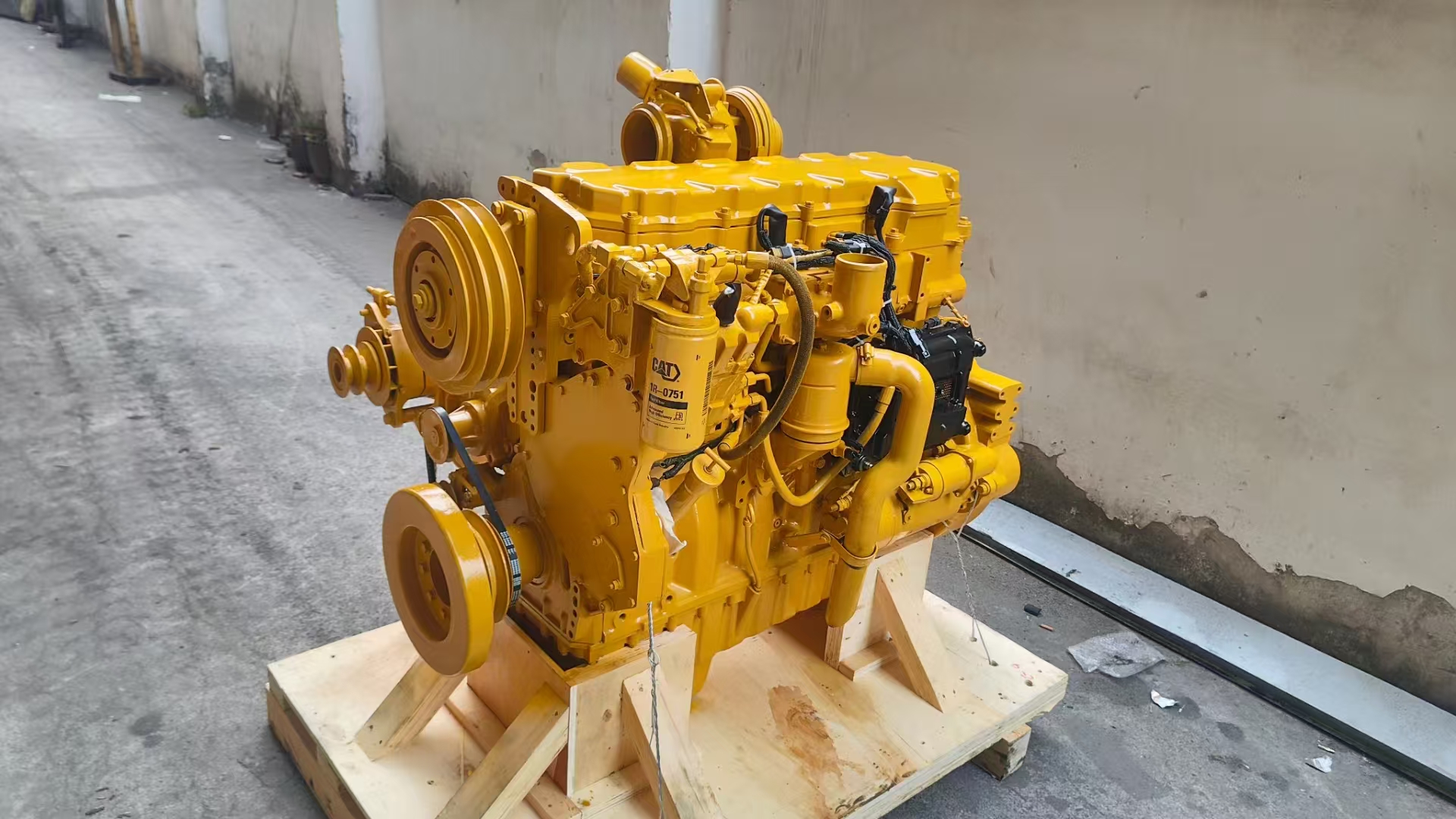
The following guide is optimized for discovery and human readers: it covers the most frequent CAT C9 engine failures, how to identify them using professional diagnostics, and the correct remediation path using genuine parts and manufacturer-recommended procedures. It blends hands-on troubleshooting steps with references to authoritative standards and manufacturer resources to help fleet managers, technicians, and owners reduce downtime and operating cost.
Understanding CAT C9 Platform and Typical Applications
Design, core systems and key characteristics
The cat c9 engine is a 6-cylinder, 4-stroke diesel platform widely used across construction equipment, excavators, generators, and marine auxiliary power. Key technologies include electronic fuel injection (EFI), turbocharging, and robust cooling and lubrication subsystems. These features provide high torque density and fuel efficiency but also mean failures often stem from fuel, air, turbo, or electronic control systems rather than simple mechanical wear.
Where the C9 is commonly found
Operators typically find the C9 in medium-to-large excavators, wheel loaders, mobile generators, and industrial power units. Proper diagnostics should therefore consider the equipment application—marine saltwater environments, heavy construction dust, or continuous-running gensets raise different failure risks (corrosion, air intake contamination, or soot accumulation).
Product introduction: Original CAT C9 Engine
🇬🇧 English Version — Caterpillar C9 Diesel Engine Product Introduction
Caterpillar C9 Diesel Engine Overview
The CAT C9 diesel engine is a high-performance, 6-cylinder, 4-stroke engine designed to deliver superior power, efficiency, and durability. Built by Caterpillar, it is widely used in construction machinery, generators, marine equipment, and industrial power units.
With electronic fuel injection (EFI) and turbocharged technology, the C9 engine ensures optimal combustion, lower fuel consumption, and reliable performance under the toughest working conditions.
Product model: Original CAT C9 Engine | Genuine Caterpillar Power Solution. For official Caterpillar product information see the manufacturer's engine catalog and specifications at Cat Power Systems.
Most Common Cat C9 Engine Problems
Fuel system faults: injectors and fuel delivery
Symptoms: rough idle, black smoke, hard starts, fluctuating RPM, and reduced fuel efficiency. The C9's EFI system depends on precise injector timing and fuel pressure. Contaminated fuel, worn injectors, failing fuel lift pumps, or blocked fuel filters are primary causes. Diagnosing requires fuel pressure testing and injector balance checks with a qualified diagnostic tool.
Turbocharger and air intake issues
Symptoms: loss of power, excessive smoke (often blue/black), turbo lag, and unusual turbo noises. Turbocharger shaft play, oil seal leaks, clogged intercooler, or air intake restrictions (dirty air filter, collapsed hoses) frequently explain performance loss. Confirm by measuring boost pressure and inspecting turbo components and hoses.
Cooling, head gasket and compression problems
Symptoms: overheating, white smoke (coolant burning), coolant loss, and low oil dilution. Head gasket failure, warped head, or water pump defects can reduce compression and cause coolant/oil mixing. Compression testing and coolant system pressure testing are essential diagnostics.
Professional Diagnostic Workflow and Recommended Fixes
Step 1: Data collection and fault code analysis
Start with electronic diagnostics—read fault codes from the engine control module (ECM). Many C9 issues generate Diagnostic Trouble Codes (DTCs) that guide technicians to the subsystem at fault. Use manufacturer-level diagnostic tools compatible with Caterpillar protocols to avoid misinterpretation. Remote telematics data (if available) can show historical trends leading up to a failure.
Step 2: Basic mechanical checks
After fault code review, perform mechanical basics: check fuel and air filters, inspect turbocharger hoses, measure oil and coolant condition, and perform a visual inspection of wiring and connectors. Simple preventive steps often resolve 30-50% of service calls (clogged filters, loose connectors, or external leaks).
Step 3: Advanced tests and component-level diagnosis
If the issue persists, proceed to targeted tests: injector balance/seat leak tests, fuel pressure and flow tests, boost pressure measurement, turbo shaft play, compression tests per ISO/SAE guidelines, and ECM bench checks. For emission-related issues, compare readings against standards like EPA nonroad diesel regulations (EPA nonroad engines).
Maintenance Strategies, Parts, and When to Replace
Routine preventive maintenance
Regular oil, coolant, filter changes, and inspection intervals extend C9 life markedly. Follow Caterpillar's OEM maintenance schedule and use genuine filters and lubricants. Records of preventive tasks improve diagnostics and may be necessary for warranty coverage. For OEM guidance see Caterpillar's service manuals and support pages at Cat Support.
When to repair vs replace major components
Decisions should weigh repair cost, residual life, and downtime. Replace injectors or turbochargers when diagnostics show out-of-spec performance or physical damage; rebuild or replace the engine in cases of severe crank, rod, or piston damage, or when compression losses exceed acceptable thresholds. Use genuine Caterpillar core exchange programs where available to reduce lead time.
Genuine parts and warranty considerations
Using aftermarket or remanufactured parts can be tempting for cost savings, but genuine parts ensure fit, calibration, and durability, and help maintain warranty and resale value. For high-load units like the C9, improper components (e.g., wrong injector calibration) can lead to increased fuel consumption and emissions failures. For standardization and measurement references consult ISO engine testing standards (e.g., ISO 8178).
Symptom-to-Fix Reference and Cost/Time Estimates
The table below summarizes typical symptoms, probable causes, diagnostic checks, and suggested corrective actions.
| Symptom | Probable Cause | Diagnostic Checks | Common Fix |
|---|---|---|---|
| Black smoke under load | Over-fueling, injector drift, turbo boost loss | ECM DTCs, injector balance, boost pressure | Replace/clean injectors, repair turbo, clear MAF/intake restrictions |
| Hard start/cold start issues | Fuel contamination, low fuel pressure, poor compression | Fuel filter pressure test, fuel heater check, compression test | Replace filters, service fuel pump, address compression loss |
| Overheating | Clogged cooling passages, failed thermostat, water pump | Cooling system pressure test, flow test, thermostat check | Flush system, replace thermostat/water pump, repair leaks |
| White smoke / oil in coolant | Head gasket failure, cracked head | Compression test, cylinder leak-down, coolant analysis | Head gasket replacement, head machining or replacement |
Estimated times and costs vary by region, but simple filter and injector swaps are typically same-day jobs; turbo replacements and head jobs can require days to a week depending on parts availability. Using genuine replacement engines or core exchanges reduces lead times in many fleets.
Authoritative References and Further Reading
For standards and manufacturer guidance consult:
- Caterpillar Power Systems - Engines (official product information)
- Caterpillar Inc. - Wikipedia (company overview and history)
- EPA - Clean Air: Nonroad Engines and Equipment (emissions rules and compliance)
- ISO 8178 - Exhaust and fuel consumption measurement (measurement standard reference)
FAQ — Common Questions About Cat C9 Engine Issues
Q: What are the fastest ways to tell if the C9 turbocharger is failing?
A: Check for a sudden loss of boost pressure, excessive oil consumption or oil in the intake/intercooler, loud whining or grinding from the turbo area, and diagnostic codes related to boost control. A boost pressure test and physical inspection for shaft play or oil leaks are the fastest confirmation methods.
Q: Can I keep running a C9 with a misfiring injector?
A: Short-term operation may be possible but not recommended. A misfiring injector leads to poor combustion, increased soot, higher fuel consumption, and can damage the catalytic systems or turbocharger. Diagnose and replace faulty injectors quickly to prevent cascading failures.
Q: How often should I change filters and fluids on the C9?
A: Follow Caterpillar's OEM maintenance schedule, which typically recommends engine oil and filter changes every 250–500 hours under normal conditions (adjust for severe duty), fuel filter changes at similar or slightly shorter intervals, and coolant service per the manufacturer's interval. Adjust frequency based on operating environment.
Q: Are aftermarket parts acceptable for repairs?
A: While aftermarket parts can be cost-effective, they may vary in quality and calibration. For EFI and turbo components on a C9, using genuine Caterpillar parts is recommended to ensure correct performance, emissions compliance, and warranty protection.
Q: What diagnostic tools are required for accurate C9 troubleshooting?
A: Use a Caterpillar-compatible diagnostic scanner for ECM codes, a fuel pressure gauge, injector test/balance equipment, boost pressure gauge, and compression/leak-down tools. Access to telematics or service history improves root cause analysis.
If you need parts or professional diagnostic support for the Original CAT C9 Engine | Genuine Caterpillar Power Solution, contact our service team or view the product page to order genuine replacement engines and components.
Contact us: Call our technical support or email service@yourcompany.com for fast diagnostics, or view Original CAT C9 Engine details and options. We provide certified technicians, genuine parts, and core exchange programs to minimize downtime.
Tags
CAT 3066 diesel engine
CAT 3066 diesel engine
Cummins B5.9 engine replacement
Cummins B5.9 engine replacement
Deutz BF4M2012 turbo diesel engine
Deutz BF4M2012 turbo diesel engine
Cat C18 new engine
Cat C18 new engine
Yanmar 3TNV74F-SPFN used engine price
Yanmar 3TNV74F-SPFN used engine price
Hydraulic pump pressure rating
Hydraulic pump pressure rating
Recommended for you
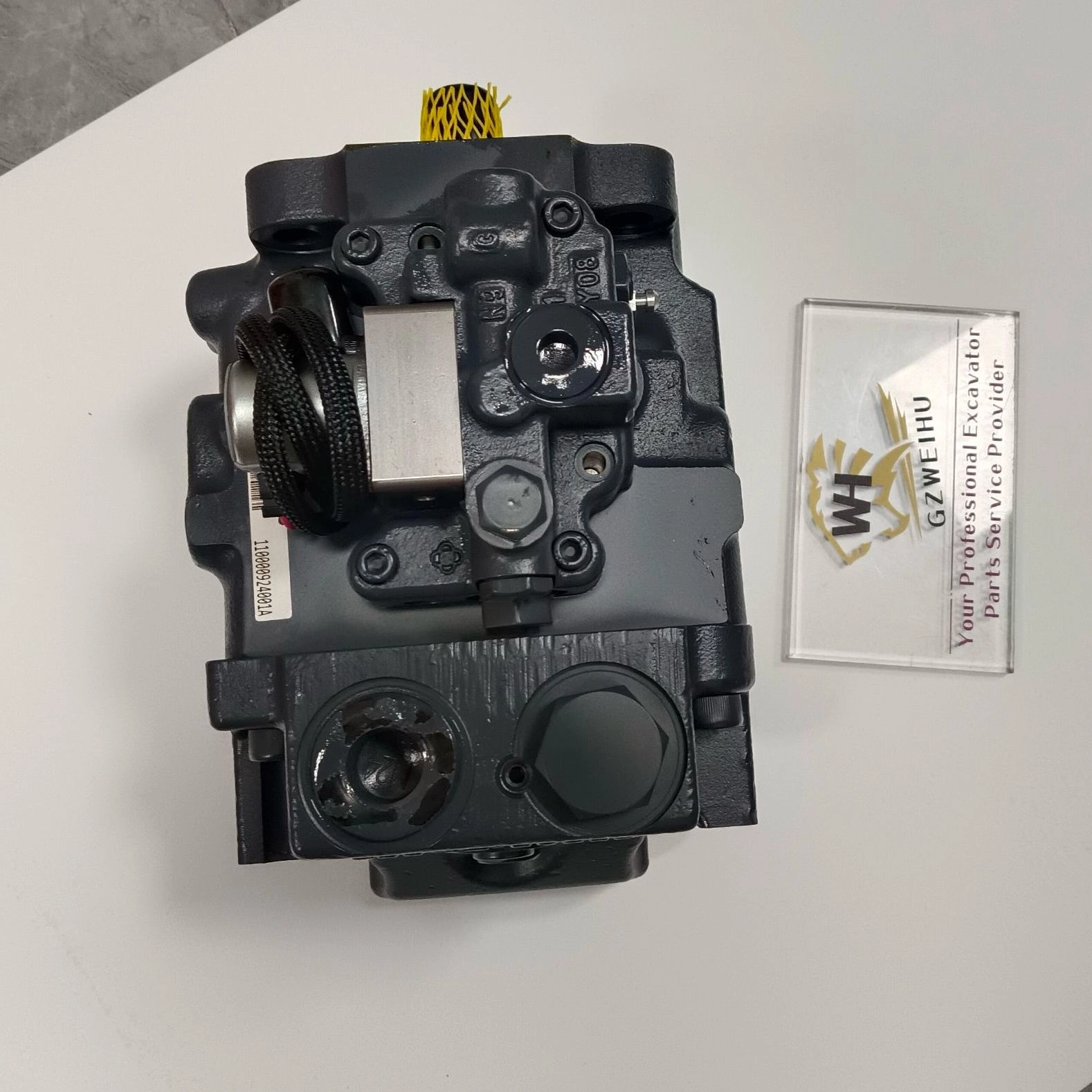
Compatibility Guide: Doosan DX65 Hydraulic Pump Fitment
Hydraulic Pump Calibration and Testing Procedures 2026
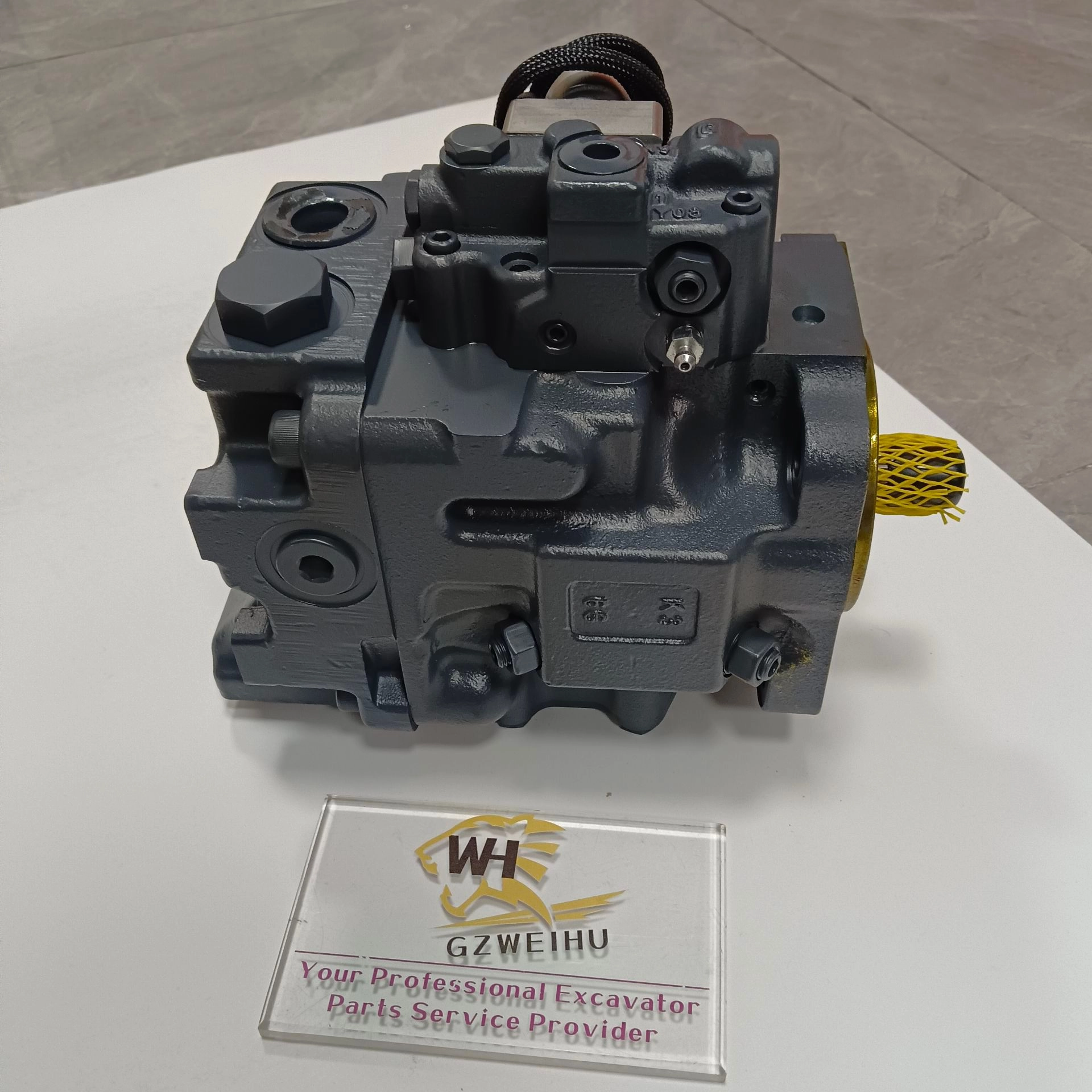
Benefits of OEM vs Aftermarket Hydraulic Pumps for DX65
How to Choose the Right Excavator Parts for Your Machine — Practical Guide
Prdoucts Categories
Question you may concern
FAQ
What is your shipping policy?
We offer a variety of shipping options to meet your needs. Orders are typically processed within [insert processing time] days, and delivery times may vary based on your location. We will provide you with tracking information once your order has shipped.
Are your parts compatible with all excavator brands?
Weihuparts strives to offer parts compatible with a wide range of excavator brands and models. However, we recommend checking the product specifications or consulting with our team to ensure compatibility with your specific excavator.
How can I place an order?
You can place an order through our user-friendly online platform or by contacting our sales team directly. Simply browse our catalog, select the parts you need, and follow the checkout process to complete your order.
How do I know which parts I need for my excavator?
If you are unsure which parts are needed, our knowledgeable customer support team can assist you. You can provide us with your excavator model and any relevant details, and we will help you identify the correct parts.
Can I return or exchange parts if I change my mind?
Yes, we accept returns and exchanges within [insert return period, e.g., 30 days] of purchase. The items must be unused and in their original packaging. Please contact our customer service team to initiate a return or exchange.
You may also like

Original CAT C9 Engine | Genuine Caterpillar Power Solution
🇬🇧 English Version — Caterpillar C9 Diesel Engine Product Introduction
Caterpillar C9 Diesel Engine Overview
The CAT C9 diesel engine is a high-performance, 6-cylinder, 4-stroke engine designed to deliver superior power, efficiency, and durability. Built by Caterpillar, it is widely used in construction machinery, generators, marine equipment, and industrial power units.
With electronic fuel injection (EFI) and turbocharged technology, the C9 engine ensures optimal combustion, lower fuel consumption, and reliable performance under the toughest working conditions.
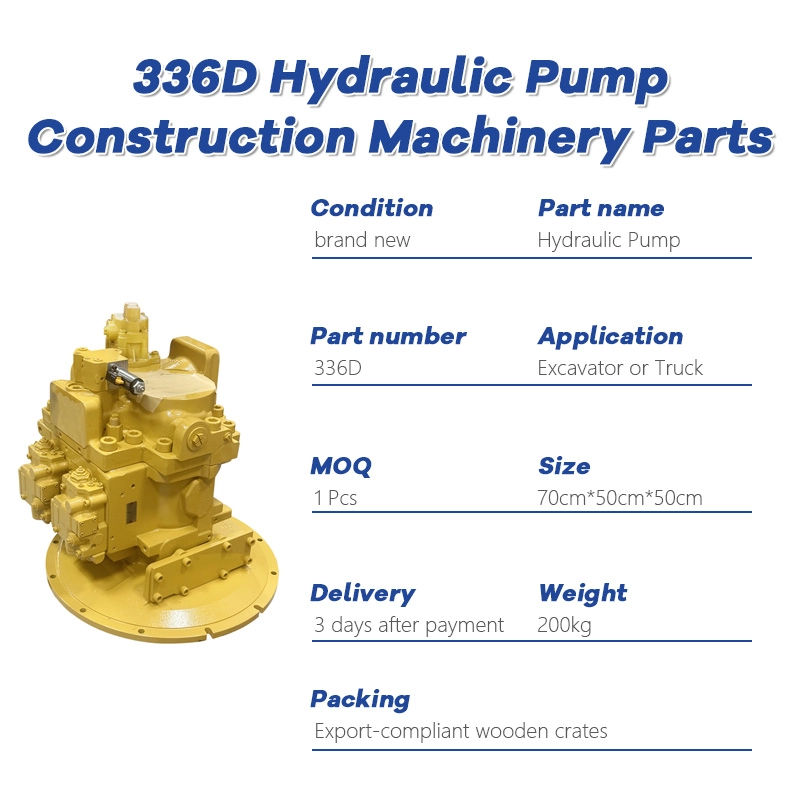
336D Excavator Hydraulic Pump | Heavy Duty CAT Replacement
This CAT 336D hydraulic pump is built for power, durability, and optimal performance. It is designed to fit Caterpillar 336D excavators and is available in both OEM and high-quality aftermarket versions. Whether you're replacing a damaged pump or upgrading your hydraulic system, this part ensures long-lasting and reliable operation in demanding construction environments.
-
✔️ Direct fit for CAT 336D excavators
-
✔️ Available in OEM or premium aftermarket
-
✔️ High-pressure performance for heavy-duty operations
-
✔️ Smooth and efficient hydraulic flow
-
✔️ Rigorously tested for quality and durability
-
✔️ Global shipping and responsive support
-
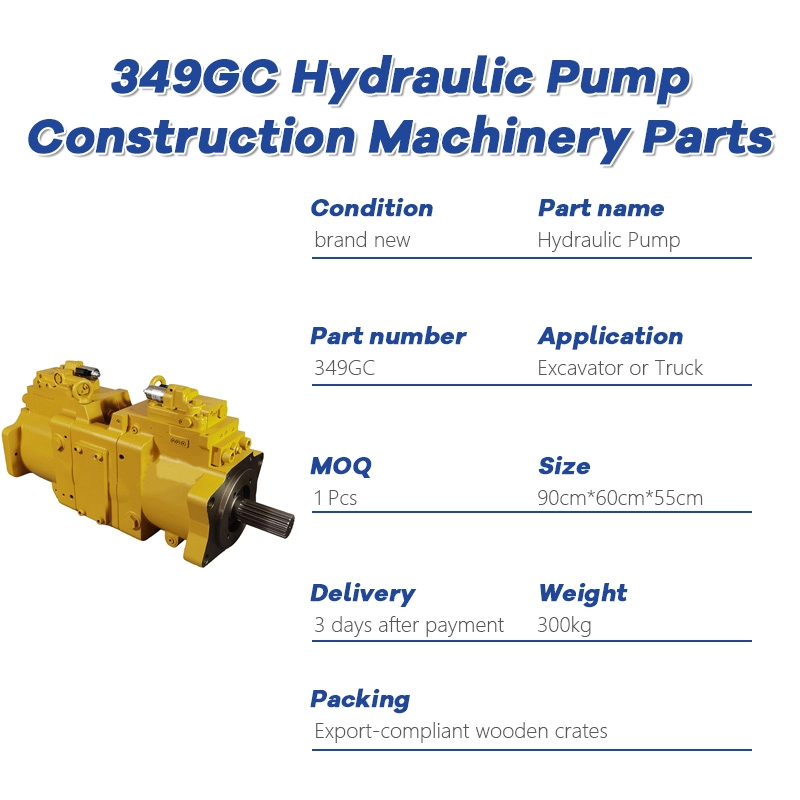
Hydraulic Pump for CAT 349GC | Reliable Performance, Fast Shipping
The CAT 349GC hydraulic pump is engineered to deliver efficient and reliable hydraulic power for Caterpillar 349GC excavators. Manufactured using premium materials and precision engineering, this pump is suitable for OEM replacement or high-quality aftermarket upgrades. It ensures smooth hydraulic flow, durability, and optimal performance even in the most demanding working conditions.
-
✔️ Direct fit for CAT 349GC excavators
-
✔️ OEM and aftermarket options available
-
✔️ High-pressure performance for heavy-duty applications
-
✔️ Manufactured with high-strength alloys and quality seals
-
✔️ Tested for reliability and longevity
-
✔️ Fast global shipping and responsive customer support
- 🚜 Order your CAT 349GC Hydraulic Pump now!
📞 Contact us for bulk pricing, customization, and technical support.
📦 Worldwide shipping available. OEM & aftermarket options.
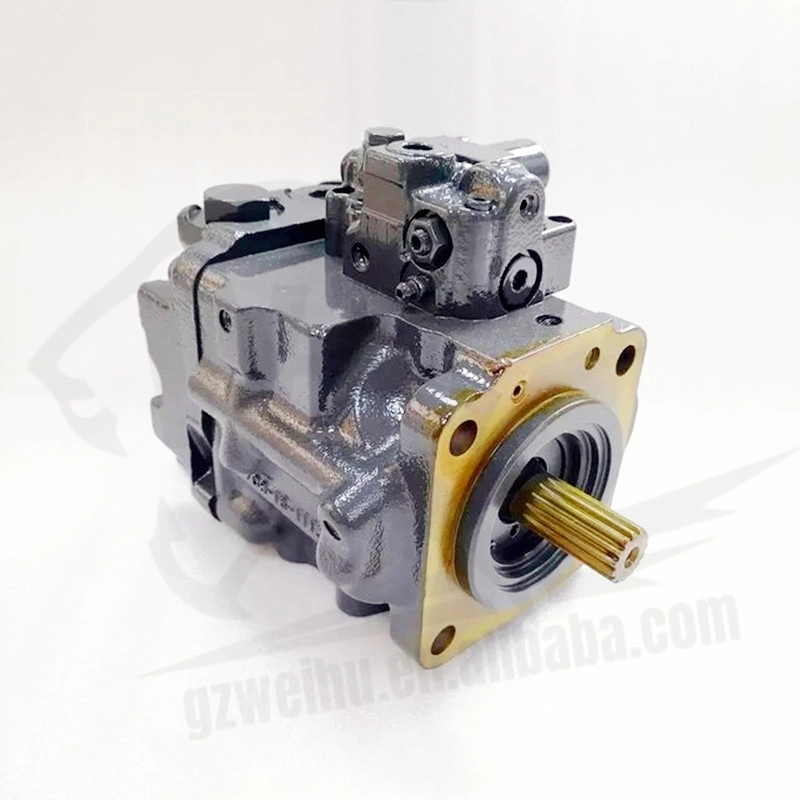
Doosan DX65 Excavator Hydraulic Pump | High-Performance Main Pump
The DX65 hydraulic pump is designed for Doosan DX65 mini excavators, delivering reliable and consistent hydraulic power for smooth machine operation. Whether you're replacing a worn pump or upgrading for enhanced performance, our OEM and aftermarket DX65 pumps offer durability, compatibility, and affordability. Each pump is manufactured using high-quality materials and precision engineering, ensuring long service life and reduced downtime.
-
✔️ 100% fit for Doosan DX65 excavators
-
✔️ Axial piston pump – compact and powerful
-
✔️ OEM & high-quality aftermarket versions available
-
✔️ Tested for pressure, performance & fluid consistency
-
✔️ Precision-sealed with robust alloy components
-
✔️ Global shipping with safe wooden packaging
- 🚜 Order Your Doosan DX65 Hydraulic Pump Today – Performance You Can Trust
📞 Contact Us for stock availability, bulk pricing, or compatibility check
🌍 Fast Global Shipping | OEM & Aftermarket | Secure Payment Options -
Get in touch with us
If you have any comments or good suggestions, please leave us a message, later our professional staff will contact you as soon as possible.
To be a happy enterprise in the field of engineering equipment.
Weihuparts delivers efficient and reliable service at each stage to meet the customer's needs.